
- Introduction
- Why A Baby Essentials Checklist Helps Young Families
- Start With The Real Basics
- Baby Clothes
- Nappies And Changing Items
- Feeding Essentials
- Sleep Essentials
- Bathing Essentials
- Baby Health Basics
- Diaper Bag Essentials
- Travel And Outdoor Items
- Baby Carrier Or Stroller
- Baby Play Essentials
- Storage And Organisation
- Safety Basics At Home
- Items For Parent Comfort
- What You May Not Need Immediately
- Budget-Friendly Baby Essentials
- Simple Baby Essentials Checklist By Category
- Baby Essentials Checklist For Small Homes
- Baby Essentials Checklist For Busy Parents
- Common Mistakes To Avoid
- Simple Tips For Choosing Baby Products
- Conclusion
- FAQ
- What Is A Baby Essentials Checklist?
- What Should I Buy First For A New Baby?
- Do Babies Need Many Clothes?
- What Sleep Items Are Essential For A Baby?
- What Feeding Items Do Young Families Need?
- What Should I Pack In A Diaper Bag?
- Are Baby Toys Essential?
- How Can Young Families Save Money On Baby Essentials?
- What Baby Items Can Wait Until Later?
- How Often Should I Update My Baby Essentials Checklist?
Introduction
Preparing for a baby can feel exciting, emotional, and sometimes overwhelming. Young families often see long shopping lists, expensive product suggestions, and many different opinions about what a baby really needs.
A Baby Essentials Checklist can help parents focus on the basics first. Babies do not need everything in the shop. They need safe sleeping space, simple clothing, feeding support, nappies, bathing items, comfort items, basic health supplies, and a calm home routine.
This guide is designed for young families who want a practical and simple Baby Essentials Checklist without overbuying. It covers everyday items, helpful extras, safety reminders, and simple tips for choosing what fits your home, budget, and lifestyle.
Why A Baby Essentials Checklist Helps Young Families
A Baby Essentials Checklist helps young families stay organised before the baby arrives. It also helps parents avoid buying too many things that may not be used.
Many baby products look useful, but not every family needs the same items. A family living in a small apartment may need compact storage. A family that travels often may need a good diaper bag and stroller. A family with support nearby may need fewer emergency items at home.
A simple checklist can help you think about:
- What the baby needs every day
- What is useful for sleep
- What helps with feeding
- What makes changing easier
- What supports bathing
- What is safe for travel
- What helps parents stay calm
- What can wait until later
- What is nice to have but not urgent
The goal is not to create a perfect nursery. The goal is to make daily baby care easier.
Start With The Real Basics
The best Baby Essentials Checklist starts with the items you will use often.
Most young families need:
- Baby clothes
- Nappies or diapers
- Baby wipes
- Changing mat
- Safe sleeping space
- Baby blankets or sleep sacks
- Feeding items
- Burp cloths
- Baby bath items
- Soft towels
- Basic health supplies
- Diaper bag
- Baby carrier or stroller
- Simple baby toys
- Storage baskets
You can add more later as you understand your baby’s habits.
It is often better to start simple and buy extra items when you know what your family actually needs.
Baby Clothes
Baby clothes should be soft, easy to wash, and simple to change. New parents often receive baby clothes as gifts, so it may not be necessary to buy too many before birth.
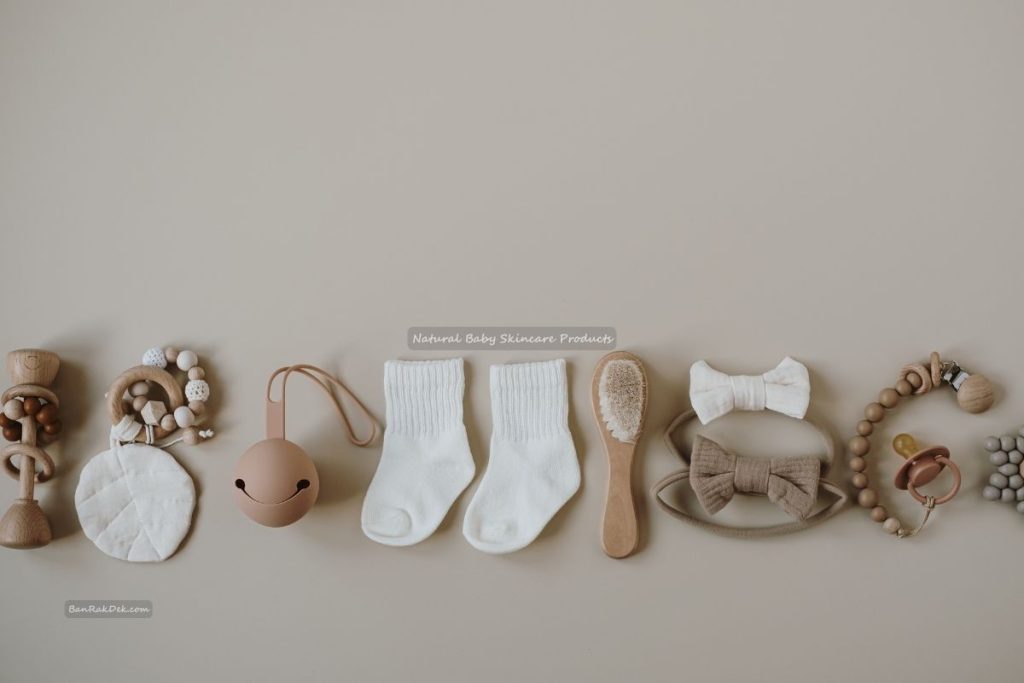
Useful baby clothes include:
- Short-sleeve bodysuits
- Long-sleeve bodysuits
- Soft trousers
- Sleep suits
- Socks
- Mittens if needed
- Light hats
- Soft cardigans
- Bibs
- Extra outfits for messy days
Choose clothes with easy buttons, snaps, or zippers. Avoid clothing with rough labels, tight waistbands, hard decorations, or loose strings.
For warm climates, breathable cotton clothes are usually more comfortable. For cooler rooms or air-conditioned spaces, a light layer can help.
A practical Baby Essentials Checklist should include enough clothes for frequent changes, but not so many that storage becomes a problem.
Nappies And Changing Items
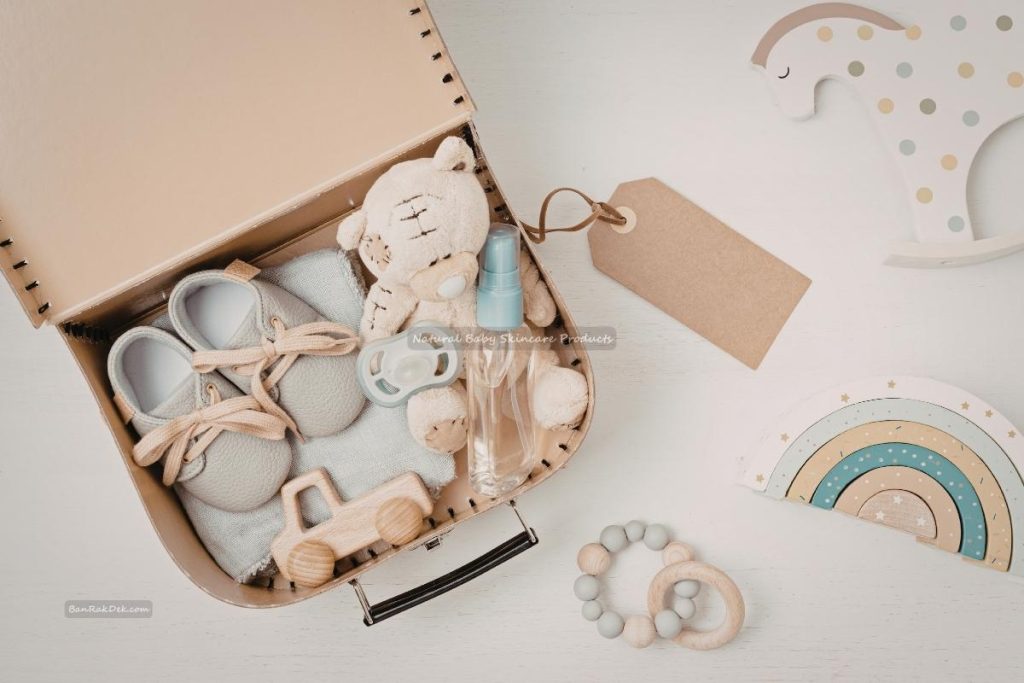
Nappy changing is one of the most regular parts of baby care. A small, organised changing area can make daily life much easier.
Useful changing items include:
- Nappies or diapers
- Baby wipes
- Cotton pads
- Changing mat
- Nappy cream
- Small bin
- Disposable bags or wet bags
- Spare clothes
- Hand sanitiser for parents
- Storage basket
Some families use disposable nappies. Others use cloth nappies. Some use a mix of both.
Choose what works for your budget, washing routine, baby’s skin, and daily schedule.
It is useful to keep changing supplies in more than one place, especially if your home has more than one room where the baby spends time.
Feeding Essentials
Feeding needs depend on whether the baby is breastfed, bottle-fed, formula-fed, or using a combination.
Common feeding items include:
- Burp cloths
- Bibs
- Feeding bottles if needed
- Bottle brush
- Sterilising method
- Formula container if needed
- Breast pads if needed
- Nursing pillow if helpful
- Muslin cloths
- Small towels
- Comfortable chair or feeding corner
Parents do not need to buy every feeding product immediately. Start with the basics and adjust as your routine becomes clearer.
If you have questions about feeding, ask a qualified healthcare professional, midwife, or lactation consultant.
A Baby Essentials Checklist should support feeding comfort without making parents feel pressured to choose one perfect method.
Sleep Essentials
Safe sleep is one of the most important parts of baby care. Babies need a safe, clear, and comfortable sleep space.
Sleep essentials may include:
- Crib, cot, or bassinet
- Firm mattress
- Fitted sheets
- Sleep sack or suitable blanket
- Light swaddles if appropriate
- Room thermometer if helpful
- Soft night light
- White noise machine if useful
- Waterproof mattress protector
Keep the baby’s sleep area simple. Avoid loose pillows, thick blankets, soft toys, and extra items in the crib.
A calm sleep setup does not need to be expensive. Safety and simplicity matter more than decoration.
Young families should always follow safe sleep guidance from trusted child health professionals in their area.
Bathing Essentials
Bath time can be a gentle part of the baby routine. You do not need many products at first.
Useful bathing items include:
- Baby bath tub or safe bathing support
- Soft washcloths
- Baby towel
- Mild baby wash
- Small cup for rinsing
- Baby hair brush
- Clean clothes for after bath
- Nappy and changing items nearby
Keep bath time calm and never leave a baby unattended near water.
Some families bathe babies every day, while others bathe them a few times a week. The best routine depends on your baby, climate, skin, and family schedule.
Baby Health Basics
A small baby health kit can help parents handle simple daily needs.
Useful items may include:
- Digital thermometer
- Baby nail clippers or file
- Saline drops if recommended
- First aid items
- Baby-safe brush or comb
- Clean cotton pads
- Medicine dropper if needed
- Emergency contact list
- Baby health record
- Any doctor-recommended items
Do not give medicine to a baby without guidance from a doctor or qualified healthcare provider.
A Baby Essentials Checklist should include basic health supplies, but it should not replace medical advice.
Diaper Bag Essentials
A diaper bag helps parents feel prepared when leaving home. It does not need to be large or expensive, but it should be practical.
Pack:
- Nappies
- Baby wipes
- Changing mat
- Spare baby clothes
- Small towel or muslin cloth
- Feeding items if needed
- Bib
- Wet bag or plastic bag
- Light blanket
- Hand sanitiser
- Small toy
- Parent essentials
- Extra shirt for parent if needed
Keep the bag restocked after each outing. This helps avoid last-minute stress.
For short trips, a small bag may be enough. For longer days, pack more spare items.
Travel And Outdoor Items
Families may need different travel items depending on their lifestyle.
👉 “Parents preparing a baby essentials checklist may also enjoy this Toddler Swim Time video for simple family activity inspiration.”
Useful travel items include:
- Stroller
- Baby carrier
- Car seat if travelling by car
- Sun hat
- Light blanket
- Portable changing mat
- Mosquito net if needed
- Rain cover for stroller
- Small fan if safe and appropriate
- Travel bottle or feeding container
- Compact toy
A stroller is useful for some families, while a baby carrier is easier for others. Many families use both.
Choose travel items based on your neighbourhood, transport habits, weather, and storage space.
Baby Carrier Or Stroller
A baby carrier can help parents keep the baby close while keeping hands free. A stroller can be useful for walks, shopping, and longer outings.
When choosing a carrier, look for:
- Good support
- Comfortable straps
- Safe baby position
- Breathable fabric
- Easy adjustment
- Age and weight suitability
When choosing a stroller, consider:
- Fold size
- Weight
- Wheel quality
- Sun shade
- Storage basket
- Safety harness
- Easy cleaning
- Suitability for local paths
A Baby Essentials Checklist should include transport support, but the best choice depends on daily life.
Baby Play Essentials
Babies learn through simple play. They do not need many toys, especially in the first months.
Useful baby play items include:
- Soft rattles
- High-contrast cards
- Soft books
- Tummy time mat
- Simple sensory toys
- Soft fabric toys
- Baby mirror
- Teething toys when age-appropriate
- Music toys with gentle sound
Choose toys that are safe for the baby’s age. Avoid small parts, loose pieces, sharp edges, and long strings.
At banrakdek.com, play is important because early childhood development is closely connected to safe, warm, and simple play experiences.
Storage And Organisation
Baby items can quickly spread around the home. Simple storage helps parents stay calm and organised.
Useful storage ideas include:
- Small baskets
- Drawer dividers
- Changing station basket
- Toy basket
- Laundry basket
- Nappy storage
- Feeding shelf
- Travel bag corner
- Clothes sorted by size
- Donation box for outgrown items
Keep daily-use items easy to reach. Store less-used items away.
Organisation does not need to look perfect. It only needs to help parents find things quickly.
Safety Basics At Home
Safety becomes more important as babies grow and start rolling, crawling, pulling up, and exploring.
Early safety items may include:
- Outlet covers if needed
- Cabinet locks
- Corner guards
- Baby gate for stairs
- Non-slip bath mat
- Safe storage for medicine
- Safe storage for cleaning products
- Window and balcony awareness
- Secure furniture
- Smoke alarm if applicable
Not every item is needed from day one, but it is good to plan ahead.
A Baby Essentials Checklist should include safety planning, especially before the baby becomes mobile.
Items For Parent Comfort
Parents also need support. A calm parent is better able to care for a baby.
Useful parent comfort items may include:
- Water bottle
- Easy snacks
- Comfortable feeding chair
- Phone charger near feeding area
- Extra pillows
- Laundry basket
- Simple meal plan
- Notebook or baby app
- Comfortable home clothes
- Support contact list
Baby care is not only about buying baby products. It is also about creating a home routine that supports the whole family.
What You May Not Need Immediately
Some baby items are useful later but not urgent at the beginning.
You may be able to wait before buying:
- High chair
- Large toy sets
- Baby walker
- Fancy shoes
- Big activity centre
- Too many newborn outfits
- Many bottles before knowing feeding needs
- Too many blankets
- Expensive nursery decorations
- Large baby furniture
- Many baby gadgets
Every family is different. Waiting can help you avoid wasting money and space.
Budget-Friendly Baby Essentials
Young families do not need to buy everything new. Some baby items can be borrowed, gifted, or bought second-hand if they are clean, safe, and in good condition.
Budget-friendly tips include:
- Start with the basics
- Buy small quantities first
- Accept useful hand-me-downs
- Compare prices
- Avoid duplicate items
- Choose multi-use products
- Borrow short-term items
- Wait before buying expensive extras
- Keep receipts when possible
- Ask experienced parents what they actually used
For safety items such as car seats, mattresses, and some feeding products, check condition carefully and follow current safety guidance.
Simple Baby Essentials Checklist By Category
Use this Baby Essentials Checklist as a starting point:
Clothing:
- Bodysuits
- Sleep suits
- Soft trousers
- Socks
- Light hat
- Bibs
- Spare outfits
Changing:
- Nappies
- Wipes
- Changing mat
- Nappy cream
- Small bin
- Wet bag
Sleep:
- Safe crib or bassinet
- Firm mattress
- Fitted sheets
- Sleep sack or suitable blanket
- Waterproof mattress protector
Feeding:
- Burp cloths
- Bibs
- Bottles if needed
- Bottle brush if needed
- Nursing support if needed
- Muslin cloths
Bathing:
- Baby bath or safe support
- Soft towel
- Washcloths
- Mild baby wash
- Clean clothes
Travel:
- Diaper bag
- Stroller or carrier
- Car seat if needed
- Sun hat
- Portable changing mat
Play:
- Tummy time mat
- Soft book
- Rattle
- Simple sensory toy
- Age-appropriate teether
Safety:
- Thermometer
- Nail clippers
- First aid basics
- Safe storage
- Emergency contacts
Baby Essentials Checklist For Small Homes
Small homes need smart choices. Avoid large items unless you are sure you will use them.
Helpful ideas include:
- Foldable stroller
- Compact baby bath
- Storage baskets
- Multi-use changing mat
- Clothes sorted by size
- Wall shelves
- Under-bed storage
- Small toy rotation
- Foldable play mat
In small homes, simple routines are more useful than large equipment.
Baby Essentials Checklist For Busy Parents
Busy parents need items that make daily care faster and easier.
Helpful essentials include:
- Restocked diaper bag
- Ready changing station
- Easy-wash clothes
- Spare outfits in common areas
- Simple feeding supplies
- Laundry basket near baby area
- Organised storage
- Quick-access health kit
- Easy bedtime setup
The less time parents spend searching for things, the smoother daily life feels.
Common Mistakes To Avoid
Buying Too Much Too Early
Babies grow quickly, and some items may never be used.
Choosing Looks Over Comfort
Cute items are nice, but soft, safe, washable products matter more.
Forgetting Parent Needs
Parents need comfort, rest, and organisation too.
Ignoring Storage Space
Too many baby items can make the home feel crowded.
Buying Too Many Newborn Clothes
Some babies outgrow newborn sizes quickly.
Forgetting Safety
Always check age suitability, safe sleep guidance, and product condition.
Copying Another Family’s List Exactly
Every family has different routines, space, budget, and needs.
Simple Tips For Choosing Baby Products
When choosing baby items, ask:
- Is it safe for the baby’s age?
- Will we use it often?
- Is it easy to clean?
- Does it fit our home?
- Is it comfortable?
- Is it worth the price?
- Can we borrow it first?
- Is it easy to store?
- Does it support our routine?
- Can it grow with the baby?
A useful item should make baby care easier, not more complicated.
👉 “Parents preparing a baby essentials checklist may also find these Top 10 Best Eco-Friendly Toys for Kids helpful for simple, safer play ideas at home.”
Conclusion
A Baby Essentials Checklist can help young families prepare with more confidence and less stress. Babies need love, safety, food, clean clothes, nappies, sleep, simple care items, and a calm home routine more than they need a perfect nursery.
Start with practical basics such as baby clothes, nappies, feeding items, safe sleep supplies, bathing essentials, a diaper bag, simple toys, and basic health items. Then add more products later as your baby grows and your family routine becomes clearer.
For banrakdek.com readers, the best baby essentials are simple, safe, comfortable, and useful in real daily life.
With a thoughtful Baby Essentials Checklist, young families can avoid overbuying, save space, manage costs, and focus more on caring, bonding, and enjoying the early months with their baby.
FAQ
What Is A Baby Essentials Checklist?
A Baby Essentials Checklist is a simple list of items young families may need for baby care, including clothing, nappies, feeding supplies, sleep items, bathing products, travel items, and safety basics.
What Should I Buy First For A New Baby?
Start with clothes, nappies, wipes, a safe sleep space, feeding items, bathing basics, changing supplies, a diaper bag, and basic health items.
Do Babies Need Many Clothes?
Babies need enough clothes for regular changes, but not too many. Soft, washable, breathable clothes are usually more useful than fancy outfits.
What Sleep Items Are Essential For A Baby?
A safe crib or bassinet, firm mattress, fitted sheets, and a suitable sleep sack or blanket are common sleep essentials. Keep the sleep area simple and safe.
What Feeding Items Do Young Families Need?
Feeding needs depend on the family. Useful items may include burp cloths, bibs, bottles if needed, a bottle brush, muslin cloths, and comfortable feeding support.
What Should I Pack In A Diaper Bag?
Pack nappies, wipes, changing mat, spare clothes, wet bag, bib, feeding items if needed, light blanket, hand sanitiser, and a small toy.
Are Baby Toys Essential?
Babies do not need many toys. A few safe, simple items such as soft books, rattles, high-contrast cards, and a tummy time mat can be enough at first.
How Can Young Families Save Money On Baby Essentials?
Start with basics, avoid overbuying, accept safe hand-me-downs, borrow short-term items, compare prices, and wait before buying expensive extras.
What Baby Items Can Wait Until Later?
High chairs, large toy sets, activity centres, fancy shoes, big furniture, and many gadgets can often wait until you know your baby’s needs better.
How Often Should I Update My Baby Essentials Checklist?
Update your Baby Essentials Checklist as your baby grows, starts moving, changes feeding habits, or needs new clothing sizes and safety items.