
- Introduction: Setting Up a Calm, Safe, and Practical Space
- Why Nursery Furniture Choices Matter (Comfort, Safety, Longevity)
- The Top 10: must-have nursery furniture items for baby’s room
- 1) Crib or Cot: The Sleep Sanctuary
- 2) Changing Table with Storage: Diaper Duty, Streamlined
- 3) Rocking Chair or Glider: Comfort for Long Nights
- 4) Dresser or Storage Unit: The Clutter Controller
- 5) Bassinet or Co-Sleeper: Nighttime Convenience, Early Months
- 6) Bookshelf or Toy Organizer: Early Learning, Easy Tidying
- 7) Wardrobe or Closet System: Maximize Vertical Space
- 8) Nightstand or Side Table: The Handy Helper
- 9) Playpen or Play Yard: A Safe Zone for Awake Time
- 10) Functional Accessories (Lamps, Rugs, Wall Shelves): The Finishing Touches
- Practical Tips: Layout, Safety, and Growth
- Budgeting & Smart Shopping (Save Where It Counts)
- Cultural & Lifestyle Considerations (Climate, Space, and Family Patterns)
- Quick-Reference Checklist (Print-Friendly)
- Conclusion: Build a Room That Works on Day One—and Day 365
- FAQs (Fast Answers to Common Questions)
Introduction: Setting Up a Calm, Safe, and Practical Space
Designing a nursery is one of those joyful projects that makes parenthood feel real—and a little overwhelming. The room has to be safe, soothing, and functional from day one, without turning into a maze of gear. This guide distills everything into best nursery furniture essentials for new parents, mapping out the top items that deliver comfort, storage, and longevity beyond the newborn months. We’ll also spotlight must-have nursery furniture items for baby’s room so you can plan with confidence.
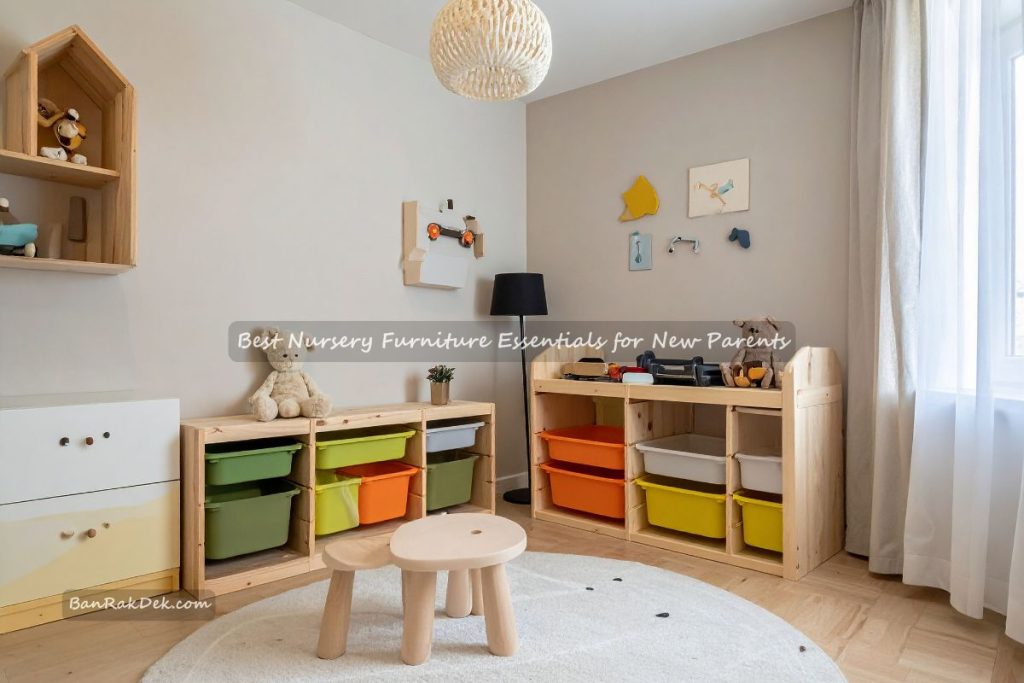
Whether you’re adapting a cozy corner of a studio or outfitting a dedicated room, you’ll find a clear path forward—what to buy first, what to skip, and which pieces pull double duty. As you read, use each section like a nursery furniture checklist for new parents and note the essential baby furniture pieces you need today versus what can wait until later. We’ll weave in practical buying tips, safety guidance, and layout tricks for tight footprints, so your nursery stays calm and easy to navigate during those bleary-eyed nights.
Why Nursery Furniture Choices Matter (Comfort, Safety, Longevity)
Great nursery furniture does three jobs: it protects your baby, it protects your back and peace of mind, and it stretches your budget by lasting through multiple stages. Sleep surfaces must meet safety standards; storage must be reachable while holding a squirmy baby; and finishes should be durable, easy to wipe, and low-VOC where possible. Consider this section your mini parenting guide to nursery furniture—a quick lens to evaluate every piece you’re shortlisting.
Functionality is everything. Drawers that glide with one hand, changing tables with guard rails, and cribs with adjustable mattress heights remove friction from daily routines. The result? Faster diaper changes, safer naps, and fewer “Where did I put the wipes?” moments. Prioritize ergonomics, too: sitting at the right height, smoothly standing while holding baby, and placing essentials within arm’s reach.
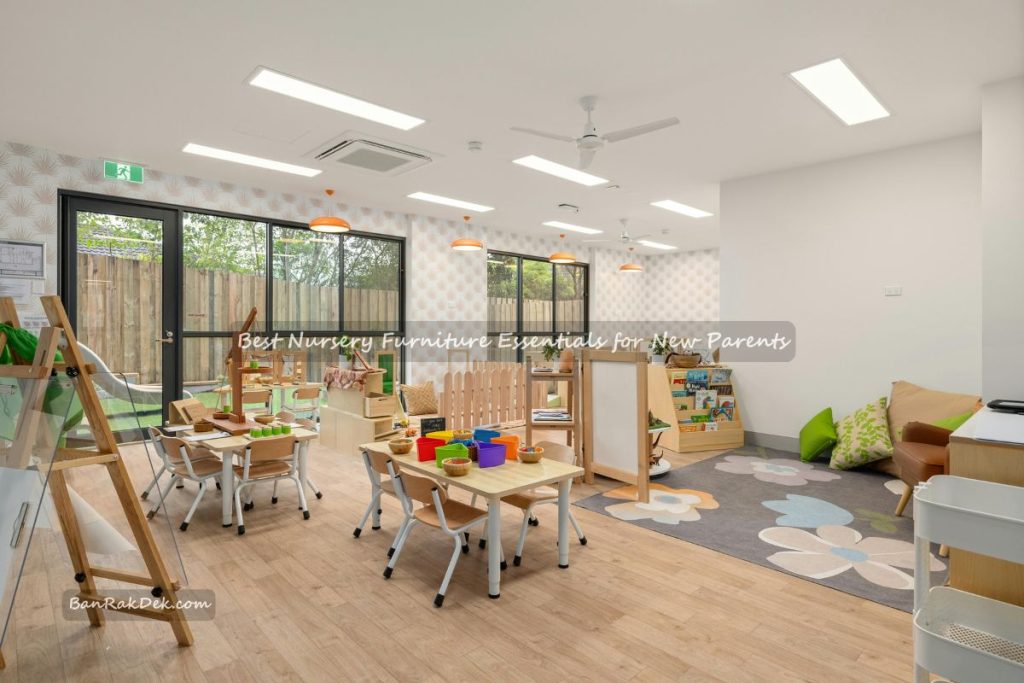
A strong plan also supports your evolving needs. Your newborn grows quickly, and so does your furniture strategy. Pieces that convert, stack, fold, or roll add months (sometimes years) of usefulness. This is how families realize real value from best nursery furniture essentials for new parents: by choosing items that solve today’s needs and tomorrow’s transitions.
The Top 10: must-have nursery furniture items for baby’s room
Below are the cornerstone pieces that give you the most comfort, safety, and organization per square meter. Each subsection includes guidance, features to look for, and simple layout tips to help you get more from your space.
1) Crib or Cot: The Sleep Sanctuary
A sturdy crib or cot anchors the room and sets your safety baseline. Look for adjustable mattress heights, smooth edges, non-toxic finishes, and bars spaced to prevent little arms and legs from getting stuck. A snug, firm mattress and fitted sheet keep sleep surfaces secure. If your space is tight, a mini-crib or narrow cot can fit without sacrificing safety. Many modern models include under-crib drawers for sheets, sleep sacks, and swaddles.
Think of cribs as safe nursery furniture options for baby—this is the one item where certifications and assembly quality matter most. Position the crib away from windows, cords, and shelves. If you have air-con or a fan, ensure airflow is gentle and indirect. A calm sleep zone also sets up smoother bedtime routines later.
2) Changing Table with Storage: Diaper Duty, Streamlined
Choose a changing table with raised sides, a sturdy strap, and locked casters if it’s mobile. Built-in drawers or cubbies save your back and your time—diapers, wipes, balms, and spare onesies can live within fingertip reach. Add a soft mat with a washable cover and a waterproof liner underneath.
For compact rooms, prioritize space-saving nursery furniture ideas such as a changing table that converts into a dresser, or a topper secured to a standard dresser you already own. This keeps your footprint small and meets the spirit of must-have nursery furniture items for baby’s room while guarding your budget and floor space.
3) Rocking Chair or Glider: Comfort for Long Nights
Feeding, soothing, and story time all happen here, so invest in support. A glider with lumbar cushioning, gentle armrests, and a quiet motion can save your shoulders and make midnight wake-ups more bearable. Keep a throw pillow for extra back support and a small basket of burp cloths and pacifiers nearby.
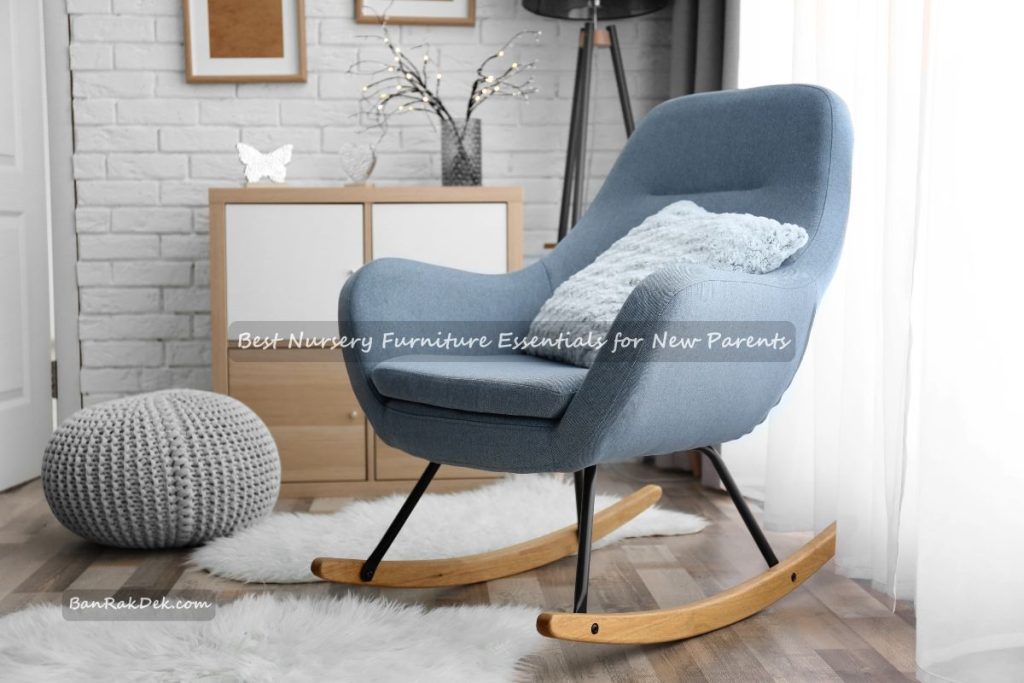
Chairs often top the list of essential baby furniture pieces you need because they improve your daily rhythm. Place yours near an outlet for a nightlight or warmer and position a side table within reach for a water bottle or phone. This is also a great place to mention best nursery furniture essentials for new parents in your planning notes—comfort that helps you stay consistent with routines pays off fast.
4) Dresser or Storage Unit: The Clutter Controller
From onesies to swaddles to outgrown clothes you’re saving for later, a dresser keeps chaos at bay. Choose drawers with soft-close glides and wide handles; label them by category or size to speed up changes. Drawer dividers prevent tiny socks from turning into a textile avalanche.
If you’re short on space, a tall, narrow dresser uses vertical real estate efficiently. Consider neutral finishes that adapt as your child’s room style evolves. Pair with hooks behind the door or a low wall shelf for daily essentials. If you’re tracking purchases, highlight which items are “now” versus “later” to stretch your budget before splurging on accents.
5) Bassinet or Co-Sleeper: Nighttime Convenience, Early Months
For the first months, a bassinet or co-sleeper keeps baby close for feeds and monitoring. Lightweight, breathable sides and a snug mattress are key. Wheels help you move it between daytime naps and nighttime feeds. Some models fold for travel or visits to grandparents.
If you’re triaging purchases, a bassinet counts among must-buy nursery items for newborn—especially if your bedroom is your main nighttime care space. As baby grows, transition to the crib and repurpose the bassinet for daytime naps in your living room, or store it for a future sibling or resale.
6) Bookshelf or Toy Organizer: Early Learning, Easy Tidying
Reading begins with reachability. A front-facing bookshelf turns picture books into irresistible invitations, while cube organizers corral toys and sensory baskets. Choose bins that little hands can pull safely and that you can wipe clean during quick resets.
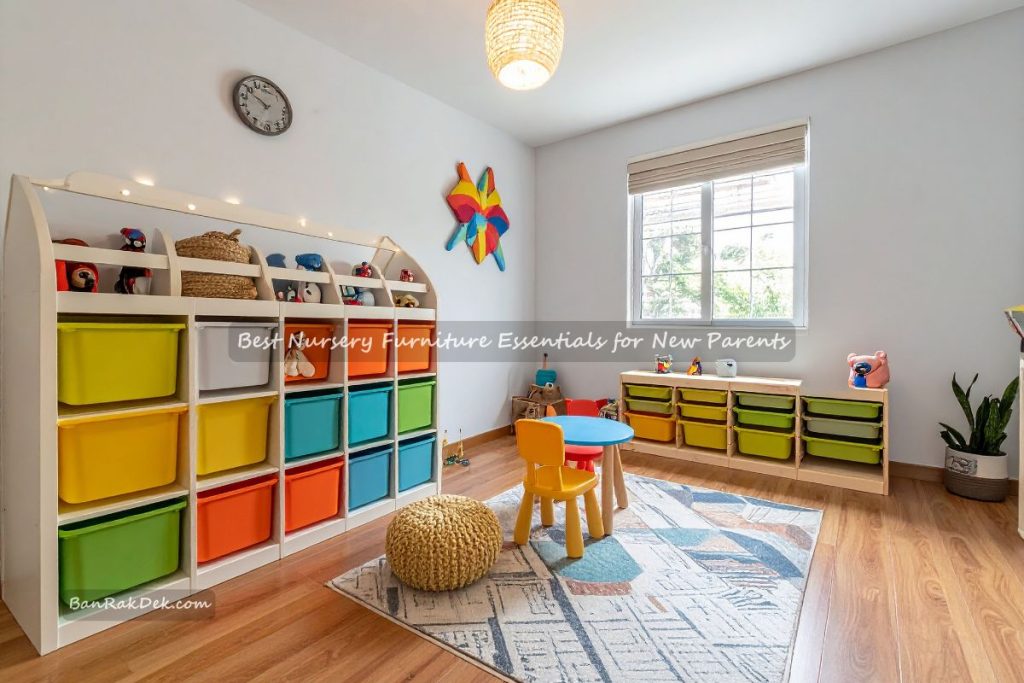
When planning how to choose nursery furniture for small spaces, go low and horizontal to preserve sight lines and prevent visual clutter. Combine this with space-saving nursery furniture ideas like wall-mounted shelves over a dresser, or a bench that hides bins beneath. Keep heavier objects low and anchor tall units to studs for safety.
7) Wardrobe or Closet System: Maximize Vertical Space
Even if you have a built-in closet, a simple wardrobe or modular system with hanging rods and shelves helps you separate sizes, seasons, and “daily rotation” outfits. Add a few soft baskets for blankets and swaddles, and a slim hamper with a liner.
This component doubles as a nursery furniture checklist for new parents—hangers, dividers by size, labeled bins for “too small” and “next size,” and a basket dedicated to laundry-room trips. Planning storage with best nursery furniture essentials for new parents in mind prevents morning scrambles and keeps outfits clean, visible, and easy to grab.
8) Nightstand or Side Table: The Handy Helper
A small table next to your chair keeps water, burp cloths, nipple cream, and your phone within reach. Prioritize rounded corners, stable legs, and a drawer or shelf for quick tidying. Consider a table lamp with a dimmer or a low-glare LED nightlight.
When comparing models, browse top-rated nursery furniture pieces 2025 lists to find compact designs with cord-management channels and wipe-clean finishes. This tiny footprint has outsized impact on comfort during feeds and story sessions.
9) Playpen or Play Yard: A Safe Zone for Awake Time
As baby starts rolling and scooting, a play yard creates a safe zone where you can step away to wash your hands or answer the door. Look for breathable mesh, firm locking joints, and padding where fingers could pinch. A foldable model can travel to grandparents or the park for shade and containment.
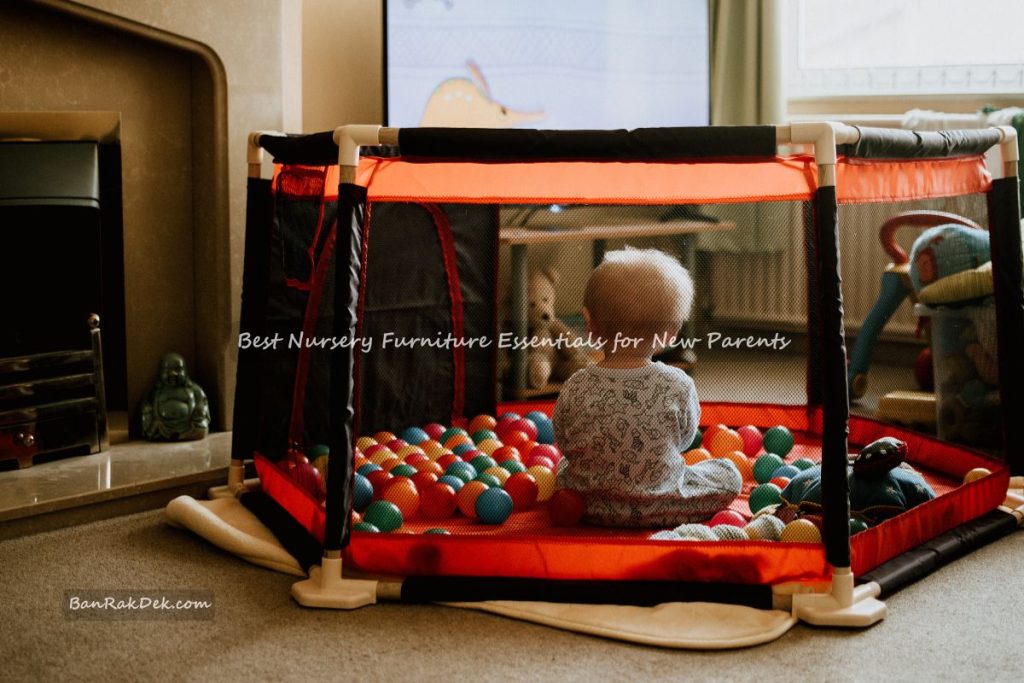
It’s not just a containment tool; it’s an early independence space. Rotate a few tactile toys in and out to keep exploration fresh. This complements your fixed furniture with flexible boundaries and protects your back during floor play.
10) Functional Accessories (Lamps, Rugs, Wall Shelves): The Finishing Touches
Lighting, textiles, and small shelves make the room feel finished and help with daily rhythms. Choose blackout curtains for naps, a soft low-pile rug for tummy time, and wall shelves for keepsakes (out of reach). These elements add color and coziness without eating up floor space.
Keep safety top of mind: secure cords with clips, avoid heat-emitting bulbs near fabrics, and mount shelves firmly. You can gradually layer in décor as your child grows so the nursery naturally becomes a toddler-friendly room without constant overhauls.
Practical Tips: Layout, Safety, and Growth
Before you buy, sketch the room and mark door swings, outlets, and windows. Start with the “big three” placements—crib, chair, dresser—then drop in secondary pieces. Maintain clear walking paths for late-night feeds and keep essentials at hip or shoulder height to protect your back.
If your footprint is tight, revisit how to choose nursery furniture for small spaces: modular storage, wall-mounted rails, under-crib drawers, and nesting baskets. Prioritize items that fold, roll, or convert as milestones change. Keep frequently used diapers and wipes on the dresser, and stash bulk refills on a high shelf or in a hall cabinet.
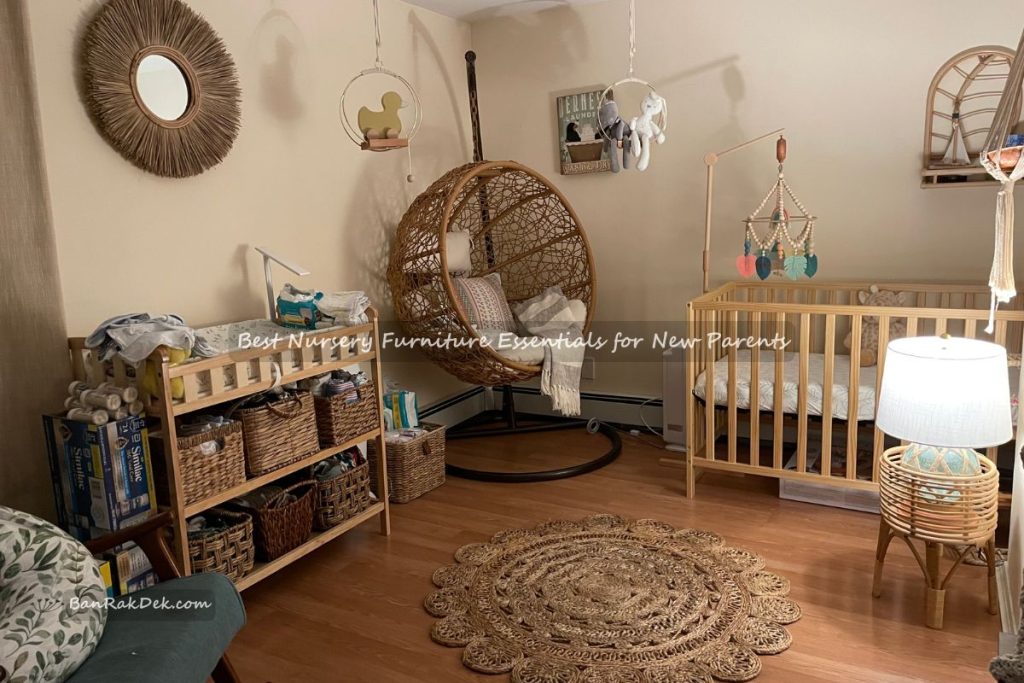
Safety checks are non-negotiable: anchor tall furniture, keep cords and monitors out of reach, use outlet covers, and follow manufacturer guidelines for mattress fit. Reassess every couple of months as baby’s mobility increases. This is where best nursery furniture essentials for new parents shine—smart, sturdy choices that adapt gracefully instead of requiring a full room reset.
Budgeting & Smart Shopping (Save Where It Counts)
Not everything has to be designer. Decide where to invest (crib, glider, dresser hardware) and where to save (organizers, secondary tables, décor). Look for bundles that include crib + dresser, especially during seasonal sales. Neutral tones for big pieces extend their life as your child’s tastes evolve.
Hunt for affordable nursery furniture must-haves by mixing new and pre-loved items—just verify safety (no recalls), check for solid joints, and replace any missing hardware. If you’re buying secondhand, budget for a brand-new crib mattress and fresh hardware packs. Remember that durable drawers and hinges outlast cute paint jobs; prioritize construction over cosmetics.
Cultural & Lifestyle Considerations (Climate, Space, and Family Patterns)
Across different homes and lifestyles, the “right” nursery is the one that fits your rhythms. In warm, humid climates, breathable fabrics and easy-wash surfaces keep the room fresh. In apartments or multi-generational homes, flexible pieces—rolling carts, a folding bassinet, or a convertible changing topper—help the nursery coexist with shared living spaces.
Consider caregiving patterns, too. If grandparents often help, label drawers and baskets so anyone can step in seamlessly. If your evenings happen in the living room, store a small changing caddy there and keep a few essentials in a sideboard. Furniture is most useful when it supports your real routines—not an idealized Pinterest version of them.
Quick-Reference Checklist (Print-Friendly)
- Crib/cot with firm mattress and fitted sheets
- Changing table or secured topper + wipeable mat
- Rocking chair/glider with lumbar pillow
- Dresser with soft-close drawers + dividers
- Bassinet/co-sleeper (early months)
- Bookshelf or cube organizer + labeled bins
- Wardrobe/closet system + size dividers
- Nightstand/side table + dimmable light
- Playpen/play yard for safe awake time
- Functional accessories (lamps, rug, shelves)
This list echoes the essential baby furniture pieces you need and keeps priorities clear for shopping trips and online carts.
Conclusion: Build a Room That Works on Day One—and Day 365
A well-planned nursery blends safety, comfort, and calm. By focusing on best nursery furniture essentials for new parents, you’ll avoid impulse buys and ensure every item earns its space. Start with the core ten, then add accents as your routines settle.
As you wrap up your plan, revisit must-have nursery furniture items for baby’s room and confirm that your picks support feeding, changing, sleeping, and play—without clutter. Keep a short list of upgrades to consider later, like a more supportive chair cushion or a larger bookshelf. Use this post as your anchor—your practical guide to the essential baby furniture pieces you need—and enjoy the daily rhythms that a thoughtful room makes possible.
FAQs (Fast Answers to Common Questions)
Q1: What should I buy first if I’m on a tight budget?
A1: Start with the crib, a firm mattress, a changing solution, and a supportive chair. These are the backbone of the must-have nursery furniture items for baby’s room that every parent uses daily.
Q2: How do I keep the nursery safe as baby starts moving?
A2: Anchor tall furniture, cover outlets, keep cords out of reach, and reassess every 6–8 weeks. Always prioritize safe nursery furniture options for baby with non-toxic finishes and sturdy joints.
Q3: What’s the best storage setup for small rooms?
A3: Combine tall dressers, under-crib drawers, cube organizers, and wall shelves. These space-saving nursery furniture ideas keep everything tidy and accessible.
Q4: Do I need both a bassinet and a crib?
A4: Not always, but a bassinet is helpful for the first few months and counts as one of the must-buy nursery items for newborn. Transition to the crib as your baby grows.
Q5: How can I plan the room layout quickly?
A5: Sketch the room, place the crib, chair, and dresser first, then add secondary items. This is the best way to decide how to choose nursery furniture for small spaces before making extra purchases.
Q6: How can I find affordable nursery furniture without compromising quality?
A6: Look for bundle deals, seasonal sales, or gently used pieces. Focus on affordable nursery furniture must-haves like dressers and organizers, and always buy a new crib mattress for safety.
Q7: Are eco-friendly nursery furniture options worth it?
A7: Yes. Choosing non-toxic paints, solid wood, and sustainable materials provides healthier safe nursery furniture options for baby and supports long-term durability.