
- Introduction
- Why It’s Important to Communicate Effectively with Kids
- Common Barriers to Effective Communication with Kids
- 10 Proven Strategies to Communicate Effectively with Kids
- 1. Practice Active Listening
- 2. Validate Their Feelings
- 3. Use Positive Language
- 4. Set a Good Example
- 5. Use Age-Appropriate Language
- 6. Create Opportunities for Open Conversations
- 7. Respect Their Opinions
- 8. Maintain a Calm and Patient Approach
- 9. Use Storytelling and Play
- 10. Be Available and Approachable
- Overcoming Communication Challenges
- Final Thoughts on How to Communicate Effectively with Kids
- FAQ on How to Communicate Effectively with Kids
- Why is it important to communicate effectively with kids?
- How can I communicate effectively with kids who don’t talk much?
- What are some common mistakes parents make when trying to communicate effectively with kids?
- How can I use positive language to communicate effectively with kids?
- What should I do if my child refuses to listen when I talk?
- How can storytelling help to communicate effectively with kids?
Introduction
Effective communication with children is the foundation of strong relationships, trust, and emotional well-being. As parents and caregivers, knowing how to communicate effectively with kids can make a significant difference in their development, confidence, and ability to express themselves. Whether dealing with a toddler’s tantrums or a teenager’s silence, mastering the art of communication is key to fostering a healthy and open relationship with children.
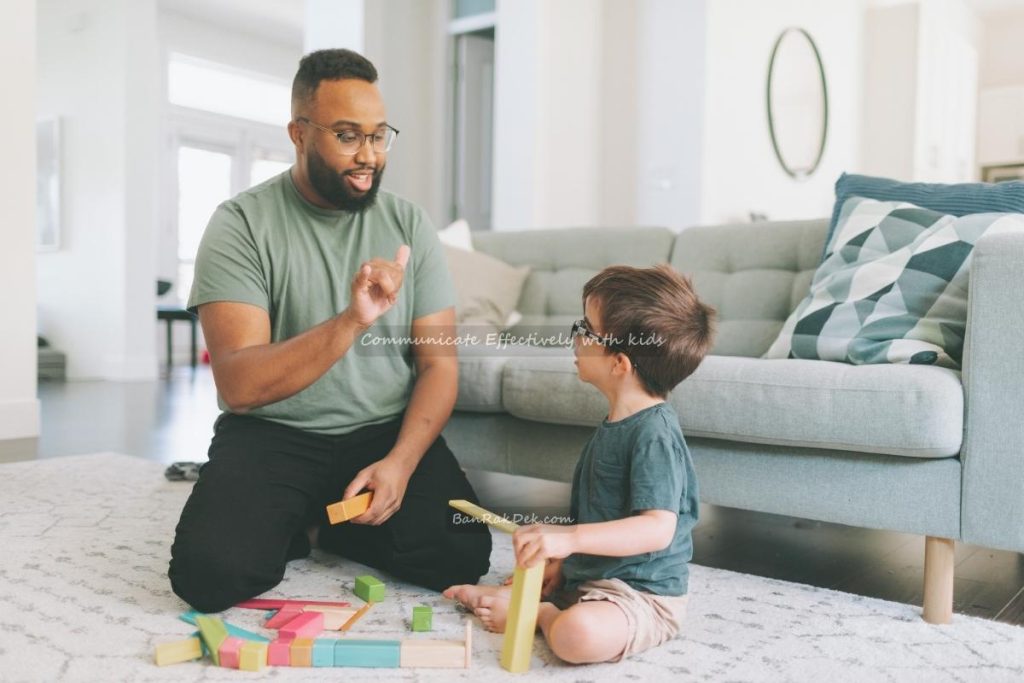
In this comprehensive guide, we will explore actionable strategies to communicate effectively with kids, ensuring they feel heard, understood, and valued.
Why It’s Important to Communicate Effectively with Kids
Children rely on communication to express their emotions, needs, and experiences. When parents and caregivers communicate effectively with kids, they create a supportive environment that promotes:
- Emotional security – Children feel safe and understood.
- Better behavior – Kids who feel heard are less likely to act out.
- Higher self-esteem – Positive interactions build confidence.
- Stronger parent-child relationships – Open communication fosters trust.
- Improved problem-solving skills – Children learn how to express and navigate challenges.
Without proper communication, children may feel neglected, misunderstood, or discouraged from expressing themselves, leading to behavioral and emotional challenges.
Common Barriers to Effective Communication with Kids
Before diving into strategies, it’s crucial to recognize the barriers that hinder communication. Many parents unknowingly create obstacles that prevent them from truly communicating effectively with kids. Some common barriers include:
Not Actively Listening
Children often feel ignored when parents multitask or dismiss their concerns. Active listening shows kids that their thoughts and feelings matter.
Using Negative Language
Constant criticism, threats, or dismissive language can make children reluctant to share their thoughts.
Talking Too Much
Overloading children with information can overwhelm them. Instead of long lectures, concise and clear communication works best.
Lack of Eye Contact
Avoiding eye contact while talking to kids can make them feel unimportant. Eye contact builds trust and engagement.
Ignoring Nonverbal Cues
Children communicate not just with words but also through body language. Ignoring their nonverbal signs can lead to misunderstandings.
Using a Harsh Tone
A loud or impatient tone can make children defensive. A calm and respectful tone fosters better conversations.

Recognizing these barriers is the first step in learning how to communicate effectively with kids.
10 Proven Strategies to Communicate Effectively with Kids
To strengthen communication with children, consider these powerful and research-backed strategies:
1. Practice Active Listening
Active listening means giving children undivided attention, acknowledging their feelings, and responding thoughtfully.
- Get down to their eye level.
- Maintain eye contact.
- Repeat what they say to show understanding.
- Use affirmations like, “I understand” or “That must have been hard.”
By practicing active listening, you show that their words matter, encouraging them to express themselves more openly.
2. Validate Their Feelings
Children, like adults, want to feel understood. Instead of dismissing their emotions, validate them.
- Instead of saying, “It’s not a big deal,” try, “I can see why that upset you.”
- Replace “Stop crying” with “I understand you’re feeling sad. I’m here to help.”
When you validate their emotions, they feel safe discussing their feelings.
3. Use Positive Language
The words you use shape a child’s perception of themselves and the world. Use positive, encouraging language to reinforce good behavior.

- Instead of “Don’t run,” say, “Please walk carefully.”
- Instead of “Stop yelling,” say, “Use your indoor voice.”
By framing instructions positively, children are more likely to cooperate.
4. Set a Good Example
Children learn by observing. If you want to communicate effectively with kids, model the communication style you expect from them.
- Speak respectfully, even when frustrated.
- Show patience when they make mistakes.
- Apologize when you’re wrong to teach accountability.
5. Use Age-Appropriate Language
Tailor your words and explanations based on the child’s age and comprehension level.
- For toddlers: Use simple words and short sentences.
- For school-aged children: Encourage open-ended questions to stimulate conversation.
- For teenagers: Engage in meaningful discussions and respect their perspectives.
6. Create Opportunities for Open Conversations
Children are more likely to open up when they feel comfortable and unpressured. Foster a communicative environment by:

- Having family dinners where everyone shares their day.
- Asking open-ended questions like, “What was the best part of your day?”
- Engaging in activities together, such as playing games or cooking, to encourage natural conversations.
7. Respect Their Opinions
Even young children have their own thoughts and perspectives. Encouraging them to share their opinions helps them develop confidence.
- Avoid dismissing their ideas as “wrong” or “silly.”
- Show appreciation by saying, “That’s an interesting way to look at it.”
- Encourage them to express their thoughts and preferences.
8. Maintain a Calm and Patient Approach
Yelling or overreacting can shut down communication. Instead, remain calm and patient.
- Take deep breaths before responding.
- If emotions are high, step away and return to the discussion when calm.
- Encourage problem-solving rather than punishment.
9. Use Storytelling and Play
Children respond well to stories and play-based communication.

- Use storytelling to explain difficult concepts.
- Role-play different scenarios to teach social skills.
- Encourage them to create their own stories to express emotions.
10. Be Available and Approachable
Sometimes, kids don’t talk because they feel their parents are too busy or unapproachable.
- Set aside quality time without distractions.
- Show interest in their activities and hobbies.
- Let them know they can talk to you about anything without judgment.
When children know they can approach you at any time, they will be more open to sharing their thoughts and emotions.
Overcoming Communication Challenges
Even with the best strategies, parents sometimes struggle to communicate effectively with kids. Here’s how to handle common challenges:
What If My Child Refuses to Talk?
- Give them space, but reassure them you’re there when they’re ready.
- Engage in side-by-side activities like drawing or driving to encourage casual conversation.
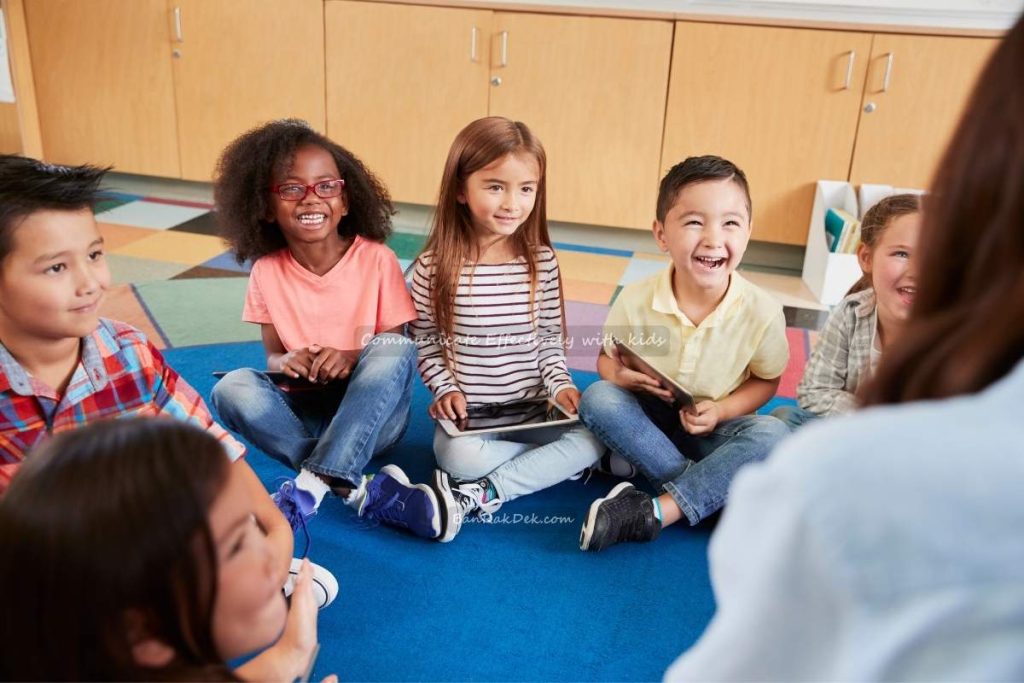
How Do I Get My Child to Listen?
- Use a gentle touch to get their attention.
- Speak in a calm, firm voice.
- Keep instructions simple and clear.
What If My Child Only Responds with One-Word Answers?
- Ask open-ended questions.
- Show genuine interest in their responses.
- Share your own experiences to encourage deeper discussions.
Final Thoughts on How to Communicate Effectively with Kids
Mastering how to communicate effectively with kids is essential for building trust, fostering emotional well-being, and nurturing healthy relationships. By practicing active listening, validating their feelings, and using positive language, parents can create a safe and open environment where children feel valued and understood.
Remember, effective communication isn’t about controlling conversations—it’s about creating meaningful connections. With patience, practice, and empathy, you can develop strong, lasting bonds with your children while guiding them toward healthy emotional development.
FAQ on How to Communicate Effectively with Kids
Why is it important to communicate effectively with kids?
Communicating effectively with kids helps build trust, boosts their confidence, and encourages emotional expression. It also strengthens the parent-child bond and improves their problem-solving skills.
How can I communicate effectively with kids who don’t talk much?
To encourage communication, create a relaxed environment, engage in side-by-side activities like drawing or playing, and ask open-ended questions to invite deeper conversations.
What are some common mistakes parents make when trying to communicate effectively with kids?
Common mistakes include not actively listening, using negative language, interrupting, or dismissing their feelings. Avoid these to foster better conversations.
How can I use positive language to communicate effectively with kids?
Instead of saying “Stop running,” try “Please walk carefully.” Positive reinforcement encourages cooperation and better understanding.
What should I do if my child refuses to listen when I talk?
Ensure you have their attention, use a calm and respectful tone, and keep instructions simple. If necessary, give them space and try again later.
How can storytelling help to communicate effectively with kids?
Storytelling makes communication engaging and helps children relate to lessons and emotions. Using stories to explain concepts makes it easier for kids to understand and remember.