
- Introduction
- Why You Should Create a Learning-Friendly Home
- Choosing the Right Location for Learning
- Designing an Inspiring Study Space
- Organizing Learning Materials Efficiently
- Establishing a Consistent Learning Routine
- Leveraging Technology for Enhanced Learning
- Encouraging a Reading Culture
- Encouraging Hands-On and Creative Learning
- Creating a Positive Learning Environment
- Final Thoughts on How to Create a Learning-Friendly Home
- FAQ – How to Create a Learning-Friendly Home
- What are the key elements to create a learning-friendly home?
- How can I reduce distractions while creating a learning-friendly home?
- How can technology help in creating a learning-friendly home?
- How do I make reading a habit when I create a learning-friendly home?
- What are some creative ways to create a learning-friendly home?
- How do I organize learning materials when I create a learning-friendly home?
- What role does routine play in a learning-friendly home?
- How can I motivate my child when I create a learning-friendly home?
Introduction
Creating the perfect environment for learning at home can significantly enhance productivity, creativity, and overall academic success. If you’re wondering how to create a learning-friendly home, you’ve come to the right place! A well-structured and inspiring learning space can make studying more enjoyable and help children and adults alike stay motivated.

In this guide, we’ll dive deep into how to create a learning-friendly home, from designing the ideal study space to incorporating productive habits. By the end, you’ll have a clear roadmap to transforming your home into a hub of inspiration and intellectual growth!
Why You Should Create a Learning-Friendly Home
A well-designed learning environment fosters concentration, creativity, and critical thinking. Whether you’re homeschooling, working remotely, or simply fostering a culture of lifelong learning, setting up an effective space is key. Here’s why you should prioritize a learning-friendly home:
- Encourages focus and discipline
- Reduces distractions and improves retention
- Supports different learning styles
- Enhances motivation and creativity
- Promotes positive study habits

Now, let’s explore how to create a learning-friendly home that works for your needs!
Choosing the Right Location for Learning
The first step in designing a learning-friendly home is selecting the right location for study and learning activities.
Find a Quiet and Comfortable Space
Choose a space that is free from unnecessary distractions. A quiet corner of the house, a dedicated study room, or even a well-organized section of the living room can work well. Ensure that the space is comfortable yet structured to keep focus levels high.
Natural Lighting Matters
Lighting plays a crucial role in creating an effective study space. Natural light improves mood, boosts energy, and reduces eye strain. If natural light isn’t available, invest in bright yet non-harsh LED lighting.
Reduce Noise and Distractions
Noise can hinder focus and productivity. If possible, use noise-canceling headphones, install soundproof curtains, or place the study area away from high-traffic zones in your home.
Designing an Inspiring Study Space
Your study environment should be inviting, organized, and free of clutter. Here’s how to make your study space more engaging:
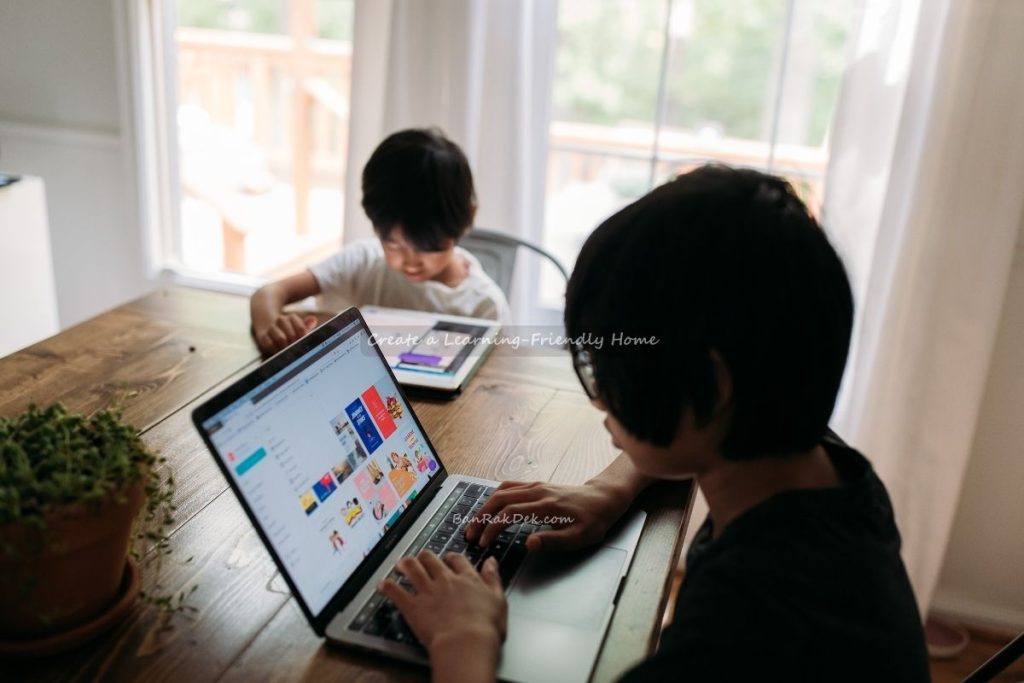
Invest in Ergonomic Furniture
Choose a comfortable chair and desk to promote good posture. Ergonomic seating prevents discomfort and fatigue during long study sessions.
Declutter the Study Area
A clutter-free workspace enhances focus and productivity. Use shelves, storage boxes, or drawers to keep supplies organized. A clean space equals a clear mind!
Use Visual Learning Aids
Posters, charts, or whiteboards can be great tools for reinforcing concepts. Visual cues help with memorization and creative thinking.
Incorporate Personal Touches
Let learners personalize their space with inspiring quotes, motivational posters, or artwork. A touch of personality makes the space more inviting and encourages engagement.
Organizing Learning Materials Efficiently
To create a learning-friendly home, organization is key. Here are some ways to keep learning materials in order:
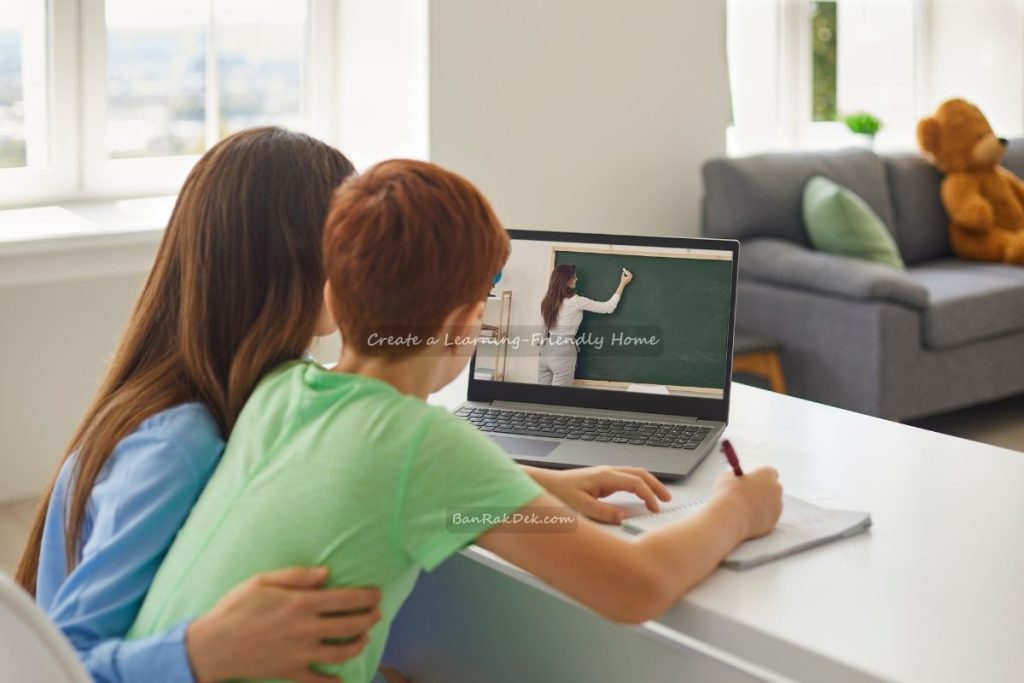
Use Bookshelves and Storage Units
Having an organized library helps in quick access to books, making learning smoother. Group books by subject or category to keep things structured.
Create a Learning Supply Station
Have a designated spot for pens, notebooks, markers, and other supplies. This prevents interruptions caused by searching for missing items.
Digital Learning Organization
For those using digital resources, set up folders on your computer, use cloud storage, and create an easy-to-navigate system for notes, e-books, and online courses.
Establishing a Consistent Learning Routine
A structured routine is vital to create a learning-friendly home. Here’s how to implement one:
Set Regular Study Hours
Consistency improves focus. Establish daily study hours and stick to them as much as possible.
Use a Learning Schedule or Planner
Whether it’s a physical planner or a digital calendar, having a schedule keeps tasks organized. Prioritize assignments and break learning into manageable chunks.
Incorporate Breaks for Maximum Productivity
Short breaks improve retention and prevent burnout. The Pomodoro Technique—25 minutes of study followed by a 5-minute break—is a proven strategy for enhanced focus.
Encourage a Growth Mindset
Praise effort, not just results. Encourage curiosity, perseverance, and a love for learning.
Leveraging Technology for Enhanced Learning
Technology can greatly enhance a learning-friendly home. Here’s how to use it wisely:

Use Educational Apps and Platforms
Apps like Khan Academy, Coursera, and Duolingo provide interactive learning experiences. Explore these tools to supplement traditional learning.
Limit Digital Distractions
While technology is beneficial, excessive screen time can be distracting. Use website blockers or time management apps to minimize distractions.
Create a Safe Digital Learning Environment
Ensure online safety by monitoring content, setting parental controls, and encouraging responsible internet use.
Encouraging a Reading Culture
One of the best ways to create a learning-friendly home is by fostering a love for reading. Here’s how:
Set Up a Reading Nook
A cozy corner with comfortable seating and good lighting can encourage reading.
Lead by Example
Children imitate adults. If they see you reading, they’re more likely to develop the habit.
Introduce a Family Reading Time
Set aside time for family reading sessions to make learning a collective experience.
Provide a Variety of Books
Ensure access to different genres, including fiction, non-fiction, and educational books, to spark interest.
Encouraging Hands-On and Creative Learning
To create a learning-friendly home, integrate practical learning activities that make education engaging.
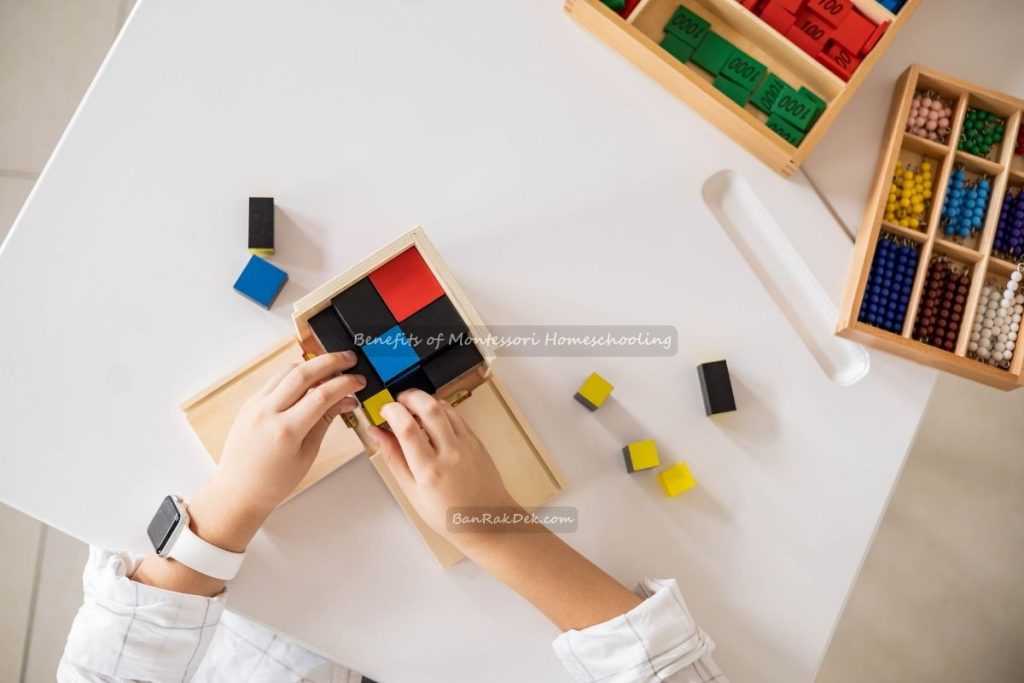
Incorporate DIY Projects and Experiments
Learning by doing enhances understanding. Science experiments, art projects, and interactive activities make education fun.
Encourage Critical Thinking and Problem-Solving
Puzzles, brainteasers, and strategy games develop analytical skills and logical reasoning.
Use Real-World Learning Opportunities
Cooking, budgeting, and gardening can be valuable learning experiences that build essential life skills.
Creating a Positive Learning Environment
Emotional and mental well-being play a significant role in learning. Here’s how to foster positivity:
Provide Encouragement and Support
Celebrate progress and achievements, no matter how small.
Allow for Flexibility
Every learner is different. Adapt learning methods to suit individual needs.
Encourage Open Communication
Let learners express their struggles and triumphs freely. A supportive environment enhances confidence.
Prioritize Mental and Physical Well-Being
Encourage healthy habits such as exercise, proper nutrition, and mindfulness to improve focus and energy.
Final Thoughts on How to Create a Learning-Friendly Home
A learning-friendly home nurtures curiosity, creativity, and a lifelong love for knowledge. By designing an inspiring study space, maintaining organization, incorporating technology, and fostering a positive learning culture, you can make education an enjoyable experience for everyone in your household.
Start today! Implement these strategies, and watch as your home transforms into an environment where learning thrives.
Do you have any additional tips on how to create a learning-friendly home? Share your ideas in the comments below!
FAQ – How to Create a Learning-Friendly Home
What are the key elements to create a learning-friendly home?
To create a learning-friendly home, focus on a quiet study space, good lighting, ergonomic furniture, organized learning materials, and a structured routine.
How can I reduce distractions while creating a learning-friendly home?
Choose a quiet location, use noise-canceling headphones, and keep the study area clutter-free. Limiting screen time and using time management techniques can also help.
How can technology help in creating a learning-friendly home?
Educational apps, online courses, and digital planners can enhance learning. However, it’s essential to set screen-time limits to maintain focus.
How do I make reading a habit when I create a learning-friendly home?
Set up a reading nook, provide a variety of books, lead by example, and schedule family reading time to encourage a love for reading.
What are some creative ways to create a learning-friendly home?
Incorporate hands-on activities like DIY projects, puzzles, and real-world learning experiences such as gardening or cooking.
How do I organize learning materials when I create a learning-friendly home?
Use bookshelves, storage bins, and digital folders to keep learning materials structured and easily accessible.
What role does routine play in a learning-friendly home?
A structured schedule helps maintain discipline, reduces procrastination, and improves focus and retention.
How can I motivate my child when I create a learning-friendly home?
Encourage a growth mindset, celebrate small achievements, and make learning interactive and enjoyable.