
- Introduction: The Importance of Helping Your Kid Thrive
- Understanding What It Means to Thrive
- Building a Strong Emotional Foundation
- Encouraging a Growth Mindset
- Supporting Academic Success
- Developing Social Skills and Friendships
- Promoting Physical and Mental Well-Being
- Instilling Responsibility and Independence
- Encouraging Passion and Purpose
- Fostering a Positive Family Connection
- Conclusion: The Path to Thriving Starts with You
- FAQ – How to Help Your Kid Thrive
- What does it mean for a child to thrive?
- How can I build my child's confidence?
- What role does emotional intelligence play in a child’s success?
- How can I encourage my child to enjoy learning?
- How does physical health impact my child's development?
- What are the best ways to teach responsibility and independence?
- How can I help my child develop strong social skills?
- What family habits contribute to a child’s success?
Introduction: The Importance of Helping Your Kid Thrive
Every parent dreams of seeing their child succeed, but knowing how to help your kid thrive requires more than just love and good intentions. Thriving children are confident, emotionally resilient, and prepared for life’s challenges. The good news is, with the right approach, you can set the foundation for your child’s success in all aspects of life—academically, socially, and emotionally.

In this comprehensive guide, we will discuss practical steps and expert-backed strategies on how to help your kid thrive, ensuring they reach their full potential.
Understanding What It Means to Thrive
Before diving into strategies, let’s define what it truly means to thrive. A thriving child is:
- Emotionally secure
- Academically motivated
- Socially competent
- Physically healthy
- Curious and resilient
Understanding these elements will help you take the right steps in how to help your kid thrive.
Building a Strong Emotional Foundation
Foster Emotional Intelligence
Children who understand and manage their emotions effectively tend to navigate life with greater ease. Here’s how you can cultivate emotional intelligence:

- Teach your child to identify emotions (happy, sad, frustrated, excited).
- Encourage them to express feelings through words rather than actions.
- Show empathy when they are upset, helping them process emotions in a healthy way.
Create a Safe and Loving Environment
A secure environment is crucial for how to help your kid thrive emotionally. Children who feel loved and valued develop higher self-esteem and resilience.
- Spend quality time together daily.
- Offer encouragement rather than criticism.
- Maintain a predictable routine to provide stability.
Encouraging a Growth Mindset
Praise Effort, Not Just Results
Children who believe that intelligence and skills can be developed tend to achieve more. Instead of saying, “You’re so smart,” try:
- “I love how hard you worked on that!”
- “You didn’t give up—that’s amazing!”

This reinforces the idea that effort leads to success.
Teach Problem-Solving Skills
Encouraging independence in problem-solving plays a key role in how to help your kid thrive. Teach them to:
- Break problems into smaller steps.
- Try different approaches when facing challenges.
- Learn from mistakes rather than fearing them.
Supporting Academic Success
Create a Positive Learning Environment
A dedicated space for learning at home can make a big difference. Ensure that:
- The area is quiet and free from distractions.
- Supplies are easily accessible.
- A structured study schedule is in place.
Make Learning Fun
Children thrive when learning is engaging and interactive. Some ways to achieve this include:

- Using educational games and apps.
- Encouraging hands-on activities (science experiments, puzzles).
- Reading together to boost literacy skills.
Encourage Curiosity
Curiosity drives a lifelong love of learning. Foster it by:
- Answering their “why” questions with enthusiasm.
- Exposing them to new experiences and cultures.
- Encouraging creativity through art, music, and storytelling.
Developing Social Skills and Friendships
Teach the Basics of Communication
Strong communication skills are vital for social success. Teach your child to:
- Make eye contact during conversations.
- Listen actively and respond appropriately.
- Use polite language and gestures.
Encourage Healthy Friendships
Positive social connections contribute significantly to how to help your kid thrive. Guide your child in:

- Choosing friends who support and encourage them.
- Resolving conflicts peacefully.
- Understanding the importance of kindness and empathy.
Set an Example
Children model their behavior after adults. Demonstrate good social habits by:
- Treating others with respect.
- Practicing patience in challenging situations.
- Showing appreciation and gratitude.
Promoting Physical and Mental Well-Being
Prioritize Healthy Nutrition
A well-balanced diet fuels both body and mind. Ensure your child gets:
- Plenty of fruits and vegetables.
- Lean proteins and whole grains.
- Adequate hydration.
Encourage Physical Activity
Regular exercise is a crucial factor in how to help your kid thrive. Ideas to keep them active include:
- Playing outside daily.
- Enrolling in a sport or dance class.
- Doing family workouts together.
Ensure Adequate Sleep
Sleep is essential for cognitive function and emotional regulation. Help your child develop healthy sleep habits by:
- Setting a consistent bedtime.
- Creating a calming bedtime routine.
- Limiting screen time before bed.
Instilling Responsibility and Independence
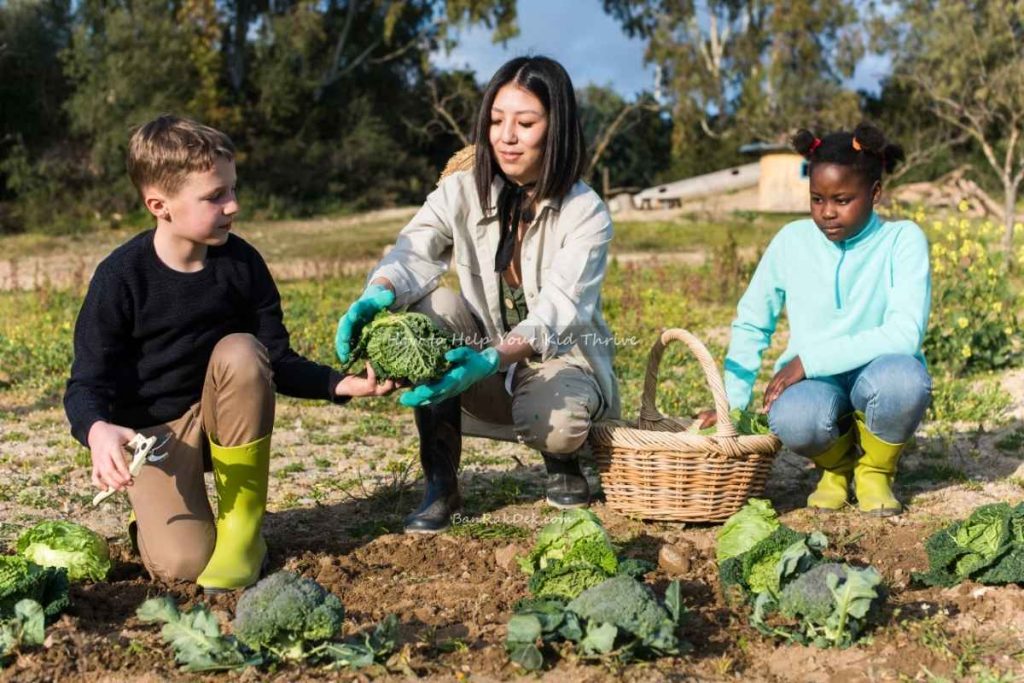
Assign Age-Appropriate Chores
Chores teach responsibility and self-sufficiency. Some examples include:
- Preschoolers: Picking up toys, setting the table.
- Elementary-age: Making their bed, feeding pets.
- Teens: Doing laundry, cooking simple meals.
Encourage Decision-Making
Giving children choices helps them develop confidence and independence. Start with:
- Allowing them to pick their outfits.
- Letting them plan a family activity.
- Encouraging them to solve minor conflicts on their own.
Encouraging Passion and Purpose
Expose Your Child to Various Interests
Children thrive when they find activities that ignite passion. Help them explore:
- Music and arts.
- Sports and outdoor adventures.
- Science, technology, and hands-on experiments.
Support Their Strengths
Every child has unique talents. Celebrate their strengths by:
- Encouraging participation in related activities.
- Offering positive reinforcement.
- Helping them set and achieve personal goals.
Fostering a Positive Family Connection
Eat Meals Together
Family dinners improve communication and emotional well-being. Make it a habit by:
- Eating together without distractions.
- Using mealtime for meaningful conversations.
- Encouraging everyone to share their highs and lows of the day.
Create Traditions and Memories
Family traditions strengthen bonds and provide stability. Start by:
- Having a weekly family game night.
- Celebrating small achievements.
- Taking annual vacations or staycations.
Conclusion: The Path to Thriving Starts with You
Understanding how to help your kid thrive means actively nurturing their emotional, social, academic, and physical well-being. It’s about fostering resilience, confidence, and a love for learning.
By implementing these strategies, you are not just supporting their present growth but setting the foundation for a happy, successful future. Remember, your love, guidance, and support play the biggest role in their journey to thriving!
Now, take the first step today—because every moment you invest in your child’s well-being helps them grow into the best version of themselves.
FAQ – How to Help Your Kid Thrive
What does it mean for a child to thrive?
A thriving child is emotionally secure, academically motivated, socially competent, and physically healthy. Understanding these elements is key to knowing how to help your kid thrive.
How can I build my child’s confidence?
To build confidence, praise effort over results, encourage independence, and support their strengths. A growth mindset is essential in how to help your kid thrive.
What role does emotional intelligence play in a child’s success?
Emotional intelligence helps children understand and manage their emotions, build strong relationships, and handle challenges effectively. It is a crucial aspect of how to help your kid thrive.
How can I encourage my child to enjoy learning?
Making learning fun with interactive activities, educational games, and real-world experiences can foster curiosity and academic motivation—an important part of how to help your kid thrive.
How does physical health impact my child’s development?
A balanced diet, regular exercise, and proper sleep contribute to cognitive function, emotional regulation, and overall well-being, which are all vital in how to help your kid thrive.
What are the best ways to teach responsibility and independence?
Assigning age-appropriate chores, allowing decision-making, and encouraging problem-solving are key strategies in how to help your kid thrive and become self-sufficient.
How can I help my child develop strong social skills?
Teaching communication skills, fostering healthy friendships, and setting a good example are essential steps in how to help your kid thrive socially.
What family habits contribute to a child’s success?
Eating meals together, establishing traditions, and maintaining open communication all help create a strong support system, which is crucial in how to help your kid thrive.