- Introduction
- Why Baby Skin Needs Gentle Care
- What Natural Baby Skincare Products Usually Mean
- Ingredients Parents May Look For
- Ingredients Parents May Want To Avoid
- How To Read Baby Skincare Labels
- Patch Testing New Products
- A Simple Baby Skincare Routine
- Natural Baby Lotion, Balm, And Oil
- Natural Does Not Always Mean Better For Every Baby
- Packaging And Storage Tips
- Common Mistakes Parents Should Avoid
- When To Ask A Pediatrician
- Conclusion
- FAQ
- What are Natural Baby Skincare Products?
- Are Natural Baby Skincare Products always safe?
- What ingredients are good for baby skincare?
- What should parents avoid in baby skincare products?
- Can I use natural baby skincare for sensitive skin?
- How many skincare products does a baby need?
- Should I patch test baby skincare products?
- How should I store baby skincare products?
Introduction
Natural Baby Skincare Products are popular with many parents who want gentle, simple, and caring options for their baby’s delicate skin. Baby skin is soft, thin, and sensitive, so choosing the right products can make bath time, moisturizing, and daily care feel safer and easier.
However, the word “natural” can sometimes be confusing. Not every product with a natural-looking label is automatically the best choice for every baby. Parents still need to read ingredients, check for fragrance, understand their baby’s skin needs, and introduce new products carefully.
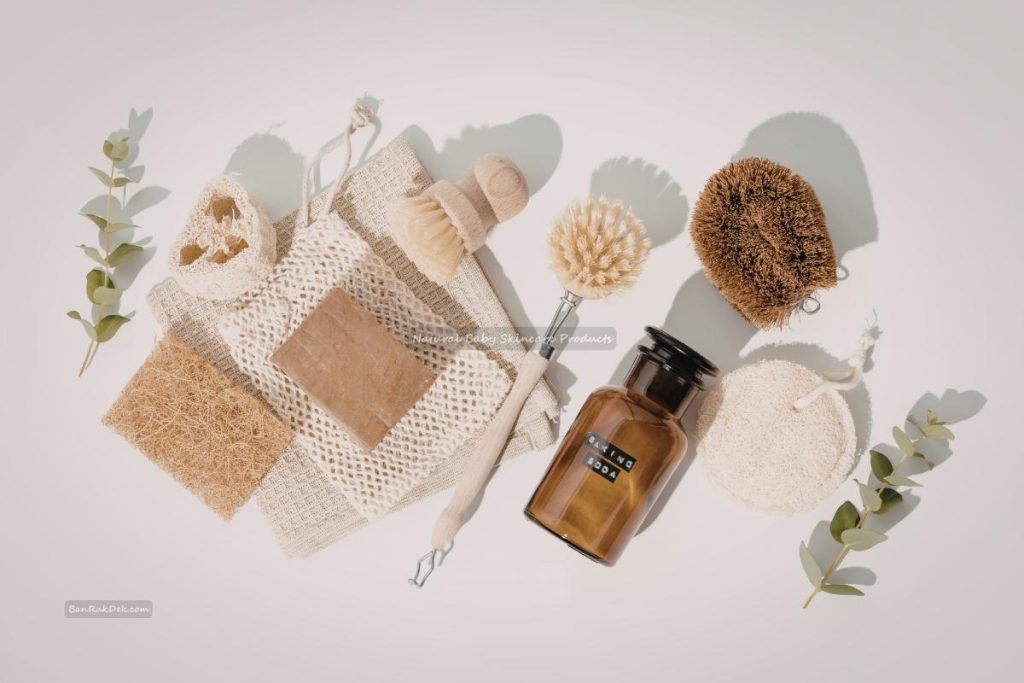
This guide explains what to know about Natural Baby Skincare Products, including gentle ingredients, what to avoid, how to choose products for sensitive skin, and how to build a simple baby skincare routine.
👉 “Parents thinking about gentle baby care may also find it useful to read this Practical Guide To Children Clothing In Thailand.”
Why Baby Skin Needs Gentle Care
Baby skin is more delicate than adult skin. It can lose moisture more easily and may react faster to strong fragrances, harsh cleansers, dyes, or unnecessary additives. This is why many parents look for gentle baby skincare that supports the skin without making the routine too complicated.
Natural Baby Skincare Products can be a good option when they are made with simple, mild, and carefully chosen ingredients. The goal is not to use many products. The goal is to keep the baby’s skin clean, comfortable, and protected.
For many babies, a basic routine with a mild wash, a gentle moisturizer, and careful diaper-area care is enough.
What Natural Baby Skincare Products Usually Mean
Natural Baby Skincare Products usually refer to baby care products made with plant-based or naturally derived ingredients. These may include aloe vera, shea butter, coconut oil, olive oil, jojoba oil, chamomile, calendula, or oatmeal.
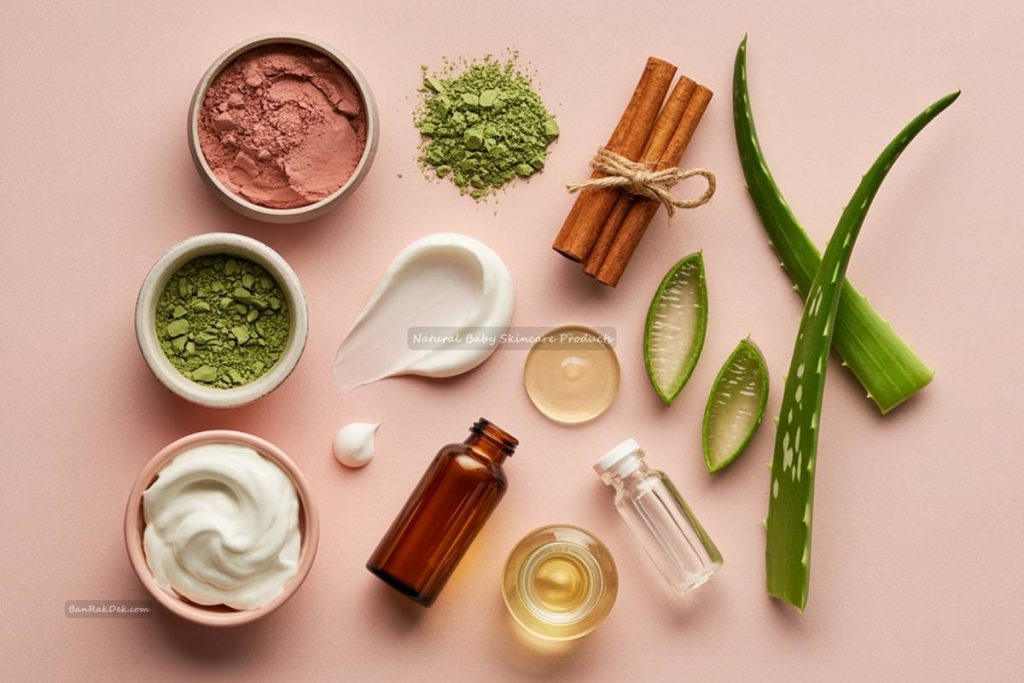
Still, “natural” does not always mean irritation-free. Some natural ingredients may still bother sensitive baby skin. For example, some essential oils or strong botanical extracts can be too much for young skin.
That is why parents should look beyond marketing words and focus on the full ingredient list, product purpose, and how their baby’s skin responds.
Ingredients Parents May Look For
Many Natural Baby Skincare Products include soft, moisturizing ingredients that help protect the skin barrier. Shea butter can help with dryness. Aloe vera may feel soothing. Oatmeal is often used in gentle skincare for dry or sensitive skin. Jojoba oil and olive oil may help support moisture.
Calendula and chamomile are also common in natural skincare for babies. They are often used in baby creams, balms, and lotions because they are associated with gentle care.
The best products usually have a short, clear ingredient list. If a label is very long or difficult to understand, parents may want to compare it with a simpler option.
Ingredients Parents May Want To Avoid
When choosing Natural Baby Skincare Products, it is also important to know what to avoid. Products with strong artificial fragrance, harsh cleansers, bright dyes, or unnecessary additives may not be ideal for delicate baby skin.
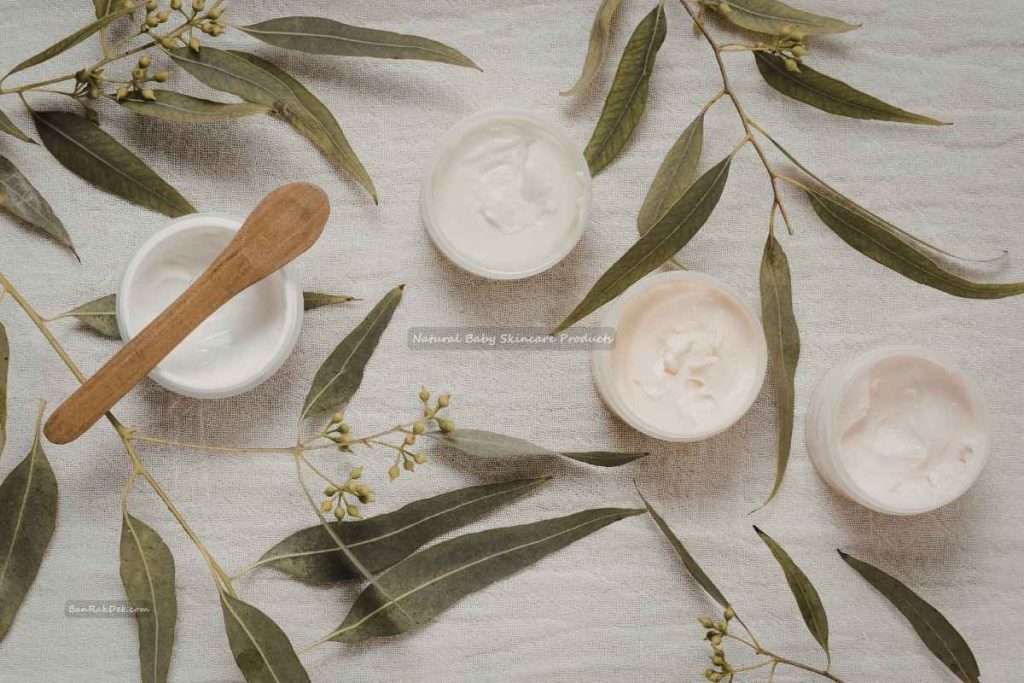
Fragrance is one of the most common causes of irritation for sensitive skin. Even natural fragrances or essential oils can sometimes be too strong for babies.
Parents may also want to avoid products that promise too much. Baby skincare should be gentle and simple. Products that sound overly strong, heavily perfumed, or designed more for adults may not be the best fit.
How To Read Baby Skincare Labels
Reading labels is one of the most useful steps when buying Natural Baby Skincare Products. Look for clear wording such as fragrance-free, hypoallergenic, gentle, dermatologist-tested, or suitable for sensitive skin.
These terms can be helpful, but they should not replace careful judgment. Always check the ingredient list and choose products that match your baby’s needs.
If your baby has eczema-prone skin, frequent rashes, allergies, or ongoing irritation, it is best to ask a pediatrician before trying many new products.
Patch Testing New Products
Before using a new product widely, parents can do a small patch test. Apply a tiny amount to a small area of skin and watch for redness, dryness, itching, bumps, or discomfort.
This is especially useful for babies with sensitive skin. Even gentle products can cause a reaction in some children.
Patch testing helps parents introduce Natural Baby Skincare Products more carefully and avoid using a new lotion, balm, or wash all over the body too quickly.
A Simple Baby Skincare Routine
A baby skincare routine does not need many steps. In fact, simple is often better. Parents can start with a gentle baby wash during bath time, a mild moisturizer after bathing, and a protective balm when needed for dry areas.
Bath water should be lukewarm, not hot. Long baths can dry the skin, so short and gentle baths are usually better. After bathing, gently pat the skin dry instead of rubbing.
Applying moisturizer while the skin is still slightly damp can help keep moisture in. This can be especially helpful for babies with dry skin.
Natural Baby Lotion, Balm, And Oil
Different Natural Baby Skincare Products serve different purposes. Baby lotion is usually lighter and good for daily moisturizing. Baby balm is thicker and may help protect very dry spots, cheeks, elbows, knees, or diaper-area skin. Baby oil may be used for gentle massage if it suits the baby’s skin.
Parents should choose one product at a time and see how the baby’s skin responds. Using too many new products at once can make it harder to know what caused irritation.
If a product works well, there is no need to change it often. Consistency can be better than constantly trying new items.
Natural Does Not Always Mean Better For Every Baby
It is important to remember that Natural Baby Skincare Products are not automatically perfect for every child. Some babies do better with very simple fragrance-free products, whether they are natural, organic, or dermatologist-recommended.
Parents should avoid feeling pressured by trends. The best product is the one that is safe, gentle, suitable for the baby’s skin, and easy for the family to use consistently.
If a baby’s skin becomes red, itchy, swollen, cracked, or uncomfortable, stop using the product and ask a healthcare professional for advice.
Packaging And Storage Tips
Packaging also matters. Products in clean, easy-to-use packaging can help reduce mess and waste. Pumps and tubes may be more hygienic than open jars, especially when used often.
Store Natural Baby Skincare Products in a cool, dry place away from direct sunlight and heat. Always close the lid properly after use.
Parents should also check expiry dates. Natural products may have fewer preservatives, so they should not be kept for too long after opening.
Common Mistakes Parents Should Avoid
One common mistake is buying too many baby skincare products before knowing what the baby actually needs. A newborn may not need a large routine.
Another mistake is choosing products only because they say “natural” on the front label. The full ingredient list is more important than the design of the bottle.
A third mistake is using adult skincare products on babies. Adult products may contain stronger fragrance, active ingredients, or exfoliating agents that are not suitable for baby skin.
When To Ask A Pediatrician
Parents should ask a pediatrician if their baby has ongoing dryness, eczema-like patches, repeated rashes, bleeding, swelling, strong irritation, or signs of discomfort. Professional advice is also helpful if a baby has allergies or very sensitive skin.
Skincare products can support comfort, but they should not replace medical care when a skin problem continues or becomes worse.
For sensitive babies, a doctor may recommend specific products or explain which ingredients to avoid.
👉 “Parents who want a more eco-friendly routine may also enjoy these Green Parenting Tips For Baby Care.”
Conclusion
Natural Baby Skincare Products can be a helpful choice for parents who want gentle, simple care for delicate baby skin. The best options usually have mild ingredients, clear labels, little or no fragrance, and a simple purpose.
Parents should focus on what their baby actually needs. A gentle wash, a safe moisturizer, and careful protection for dry or irritated areas may be enough for many babies.
By reading labels, patch testing new products, avoiding harsh ingredients, and asking a pediatrician when needed, families can choose Natural Baby Skincare Products with more confidence.
FAQ
What are Natural Baby Skincare Products?
Natural Baby Skincare Products are baby care products made with natural or naturally derived ingredients, often designed to be gentle on delicate baby skin.
Are Natural Baby Skincare Products always safe?
Not always. Natural ingredients can still irritate some babies. Parents should read labels, avoid strong fragrance, and patch test new products.
What ingredients are good for baby skincare?
Common gentle ingredients include aloe vera, shea butter, oatmeal, jojoba oil, olive oil, chamomile, and calendula.
What should parents avoid in baby skincare products?
Parents may want to avoid strong fragrance, harsh cleansers, artificial dyes, and products with too many unnecessary additives.
Can I use natural baby skincare for sensitive skin?
Yes, but choose fragrance-free, gentle products and introduce them carefully. If your baby has ongoing irritation, ask a pediatrician.
How many skincare products does a baby need?
Most babies only need a simple routine. A mild wash, gentle moisturizer, and protective balm when needed may be enough.
Should I patch test baby skincare products?
Yes. A small patch test can help parents see whether a product causes redness, dryness, or irritation before wider use.
How should I store baby skincare products?
Store products in a cool, dry place away from heat and direct sunlight. Close lids tightly and check expiry dates.