
- Introduction: Why Preparing Your Child for Daycare is Crucial
- Understanding the Emotional Impact of Daycare on Your Child
- Steps to Start Preparing Your Child for Daycare
- Easing Separation Anxiety
- Helping Your Child Adjust to a New Routine
- What to Pack for Daycare
- What to Expect in the First Few Weeks
- How to Support Your Child Emotionally
- Conclusion: Making Daycare a Positive Experience
- FAQ – Preparing Your Child for Daycare
- How can I start preparing my child for daycare* early?
- What if my child has separation anxiety when starting daycare?
- What should I pack when preparing my child for daycare?
- How long does it take for a child to adjust to daycare?
- Should I stay with my child on the first day of daycare?
- How can I make daycare a positive experience for my child?
- What signs show that my child is adjusting well to daycare?
Introduction: Why Preparing Your Child for Daycare is Crucial
Starting daycare is a significant milestone for both parents and children. It marks the beginning of a new routine, a chance for social development, and an opportunity to foster independence. However, for many children, this transition can be challenging. Preparing your child for daycare properly can make the difference between a stressful experience and a smooth, positive adjustment.
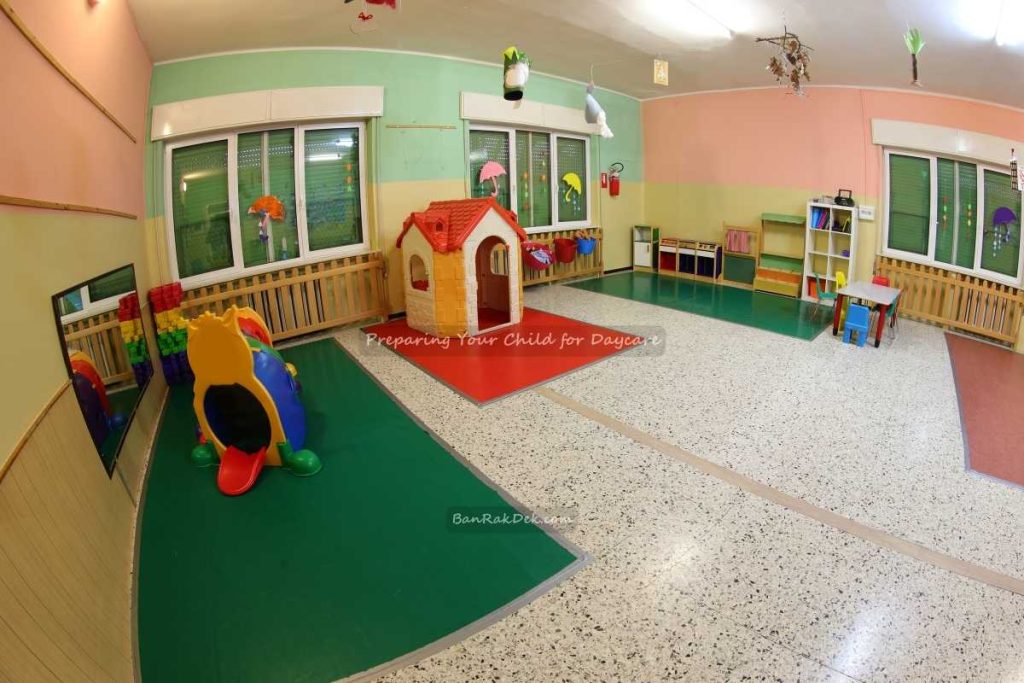
In this guide, we’ll explore practical strategies for preparing your child for daycare, ensuring they feel secure, confident, and ready for this exciting new chapter.
Understanding the Emotional Impact of Daycare on Your Child
How Daycare Affects a Child’s Emotions
Starting daycare is a big change for a child, especially if they have never been away from their parents for long periods. They might experience:
- Separation anxiety
- Fear of new environments
- Difficulty adapting to new caregivers
- Excitement mixed with nervousness
Why Some Children Struggle More Than Others
Some children adjust to daycare quickly, while others take longer. Factors that influence a child’s reaction include:
- Their personality (shy vs. outgoing)
- Previous experiences with caregivers outside the home
- How parents approach the transition
- The daycare environment itself
By preparing your child for daycare early, you can reduce anxiety and create a smoother transition.
Steps to Start Preparing Your Child for Daycare

Talk About Daycare Positively
Children pick up on their parents’ emotions. If you seem nervous, they might feel anxious too. Start by discussing daycare in an upbeat, positive way.
- Talk about the fun activities they’ll do.
- Mention new friends they’ll meet.
- Read books about daycare to familiarize them with the concept.
By normalizing the idea, you help ease their worries.
Establish a Consistent Routine
A structured daily routine helps children feel secure. A few weeks before daycare begins, start implementing a schedule similar to what they’ll follow at daycare, including:
- Meal times
- Nap times
- Playtimes
This makes the transition easier because they’re already accustomed to the routine.
Visit the Daycare Beforehand
Take your child to visit the daycare center before their first official day. Meeting the caregivers, exploring the new environment, and playing with the toys can make the place feel more familiar.
Preparing your child for daycare includes making them comfortable in their new setting before they start attending regularly.
Easing Separation Anxiety

Practice Short Separations
Before daycare begins, practice leaving your child with a trusted family member or babysitter for short periods. Gradually increase the duration so they become comfortable being away from you.
Create a Goodbye Ritual
A simple, consistent goodbye routine can provide reassurance. Whether it’s a special handshake, a hug, or a short phrase like “Mommy/Daddy will be back soon,” a goodbye ritual can make separations easier.
Avoid Sneaking Away
Some parents think sneaking away while the child is distracted will prevent crying. However, this can make children feel abandoned. Instead, say a quick, confident goodbye and reassure them you will return.
Preparing your child for daycare involves building trust so they understand that goodbyes aren’t permanent.
👉 “Looking for gentle ways to support your little one through tough goodbyes? Don’t miss our guide on how to ease separation anxiety in toddlers
Helping Your Child Adjust to a New Routine

Practice Self-Help Skills
Teaching your child basic self-help skills can boost their confidence in daycare. Encourage them to:
- Feed themselves
- Wash their hands
- Use the toilet independently (if age-appropriate)
- Put on their shoes and coat
Introduce New Social Settings
Before starting daycare, arrange playdates or take your child to playgrounds where they can interact with other kids. This helps them get used to socializing and sharing.
Encourage Independence
Encouraging small acts of independence, like cleaning up toys or making small choices (e.g., picking their clothes), helps children feel more in control and better prepared for daycare.
What to Pack for Daycare
When preparing your child for daycare, having the right items can make the experience more comfortable. Here’s a checklist of daycare essentials:

- Comfort Item – A favorite stuffed toy or blanket can provide emotional comfort.
- Extra Clothes – Accidents happen, so pack a few extra outfits.
- Diapers and Wipes – If your child isn’t potty trained.
- Bottles/Sippy Cups – If they still need them.
- Lunch and Snacks – If the daycare requires parents to provide food.
- Sunscreen and Hat – For outdoor play.
- Nap Items – If the daycare has nap time, pack a small blanket or pillow.
Having familiar items from home can make your child feel more secure.
What to Expect in the First Few Weeks
Some Tears Are Normal
It’s common for children to cry during the first few drop-offs. Stay calm and trust that they will adjust with time. Most children stop crying within minutes of their parent leaving.
Changes in Sleep and Eating Habits
Some children eat or sleep less in the first few weeks as they adjust to the new environment. This is temporary and will improve as they settle in.
Increased Clinginess at Home
Your child may seek extra comfort at home as they process this big change. Offer reassurance and extra cuddles while maintaining consistency.
Gradual Adjustment
Some daycares allow a gradual start, where children attend for shorter periods initially before transitioning to full days. If possible, take advantage of this option to ease your child into the routine.
How to Support Your Child Emotionally

Stay Patient and Positive
Your child will take cues from you. If you stay positive and patient, they’ll feel more at ease about daycare.
Communicate with Caregivers
Build a good relationship with daycare staff. Ask about your child’s progress and discuss any concerns. Caregivers can offer insights into how your child is adjusting.
Validate Their Feelings
If your child expresses fear or sadness about daycare, acknowledge their feelings. Say things like:
- “I know starting daycare feels new and different, but you’re going to have so much fun!”
- “It’s okay to feel a little nervous. Mommy/Daddy will always come back to pick you up.”
This helps your child feel heard while also reassuring them.
Conclusion: Making Daycare a Positive Experience
The transition to daycare is a big step, but with the right approach, it can be a positive and enriching experience for your child. Preparing your child for daycare involves emotional readiness, practical preparation, and consistent reassurance.
By fostering a sense of security, independence, and excitement, you can help your child adjust smoothly to daycare life. Remember, every child adapts at their own pace, so be patient and supportive throughout the journey.
Final Tip: Keep communication open with the daycare staff and trust that your child will thrive in this new environment. Soon, they’ll be making new friends, learning new things, and looking forward to their daycare days!
FAQ – Preparing Your Child for Daycare
How can I start preparing my child for daycare* early?
You can begin by establishing a routine similar to daycare, introducing short separations, and talking positively about daycare. Visiting the daycare and reading books about daycare can also help your child feel more prepared.
What if my child has separation anxiety when starting daycare?
Separation anxiety is normal. To ease it, create a goodbye ritual, practice short separations before daycare starts, and always reassure your child that you will return. Consistency and patience will help them adjust.
What should I pack when preparing my child for daycare?
Pack essentials like extra clothes, comfort items (such as a favorite blanket or stuffed animal), diapers/wipes (if needed), a water bottle, nap items, and any necessary snacks or meals.
How long does it take for a child to adjust to daycare?
Every child is different, but most children adjust within a few weeks. Some may take longer, depending on their personality and previous experiences with caregivers. Maintaining a consistent routine at home helps with adjustment.
Should I stay with my child on the first day of daycare?
Some daycares allow a gradual introduction where parents can stay briefly. However, long goodbyes can make separation harder. A short, confident goodbye and reassurance can help your child settle in faster.
How can I make daycare a positive experience for my child?
Talk about daycare in a positive way, encourage independence, and establish a goodbye routine. Communicating with caregivers about your child’s progress and feelings can also make the experience smoother.
What signs show that my child is adjusting well to daycare?
Signs of a positive adjustment include showing excitement about daycare, talking about their friends or activities, eating and napping well, and gradually reducing tears during drop-offs.