- Introduction: Why Eco-Friendly Baby Products for New Parents Are Your Secret Superpower
- Why Eco-Friendly Baby Products Matter (Even More Than You Think)
- What to Look For: Your Eco-Baby Shopping Checklist
- The Top 10 Must-Have Eco-Friendly Baby Products (Curated for Safety, Sustainability & Sanity)
- 1. Organic Cotton Onesies & Sleepers — Because Baby Skin Deserves the Softest Start
- 2. Biodegradable or Cloth Diapers — Because Landfills Don’t Need 20 Billion Diapers a Year
- 3. BPA-Free, Plant-Based Baby Bottles — Safe Sips, From Day One
- 4. Natural, Unscented Baby Skincare Set — Because “Fragrance-Free” Is the New Luxury
- 5. Wooden or Organic Stuffed Toys — Safe to Chew, Beautiful to Display
- 6. Non-Toxic, Low-VOC Crib & Mattress — Where Baby Spends 70% of Their Time
- 7. Reusable Silicone or Stainless Steel Feeding Set — Ditch the Plastic, Keep the Convenience
- 8. Washable, Organic Swaddle Blankets — Soft, Sustainable, and Seriously Multipurpose
- 9. Eco-Friendly Baby Laundry Detergent — Because Baby Clothes Deserve Gentle Care
- 10. Cloth Wipes + Reusable Wipe Warmer — The Ultimate Zero-Waste Diaper Hack
- Bonus: How to Build an Eco-Friendly Baby Registry (Without Overwhelm)
- Conclusion: Small Swaps, Big Impact
- ❓ FAQs: Answering New Parents’ Top Eco-Baby Questions
Introduction: Why Eco-Friendly Baby Products for New Parents Are Your Secret Superpower
Let’s get real for a moment.
Becoming a parent? It’s like being handed a tiny, wailing, utterly perfect human — and a 500-page manual… that’s written in invisible ink.
You want to do everything “right.” You read labels like a detective. You lie awake wondering if that cute cloud mobile is secretly spraying microplastics into your baby’s first dreams. (Spoiler: probably not… but the anxiety? Totally real.)
And here’s the beautiful truth: you don’t have to be perfect. You just have to be thoughtful.
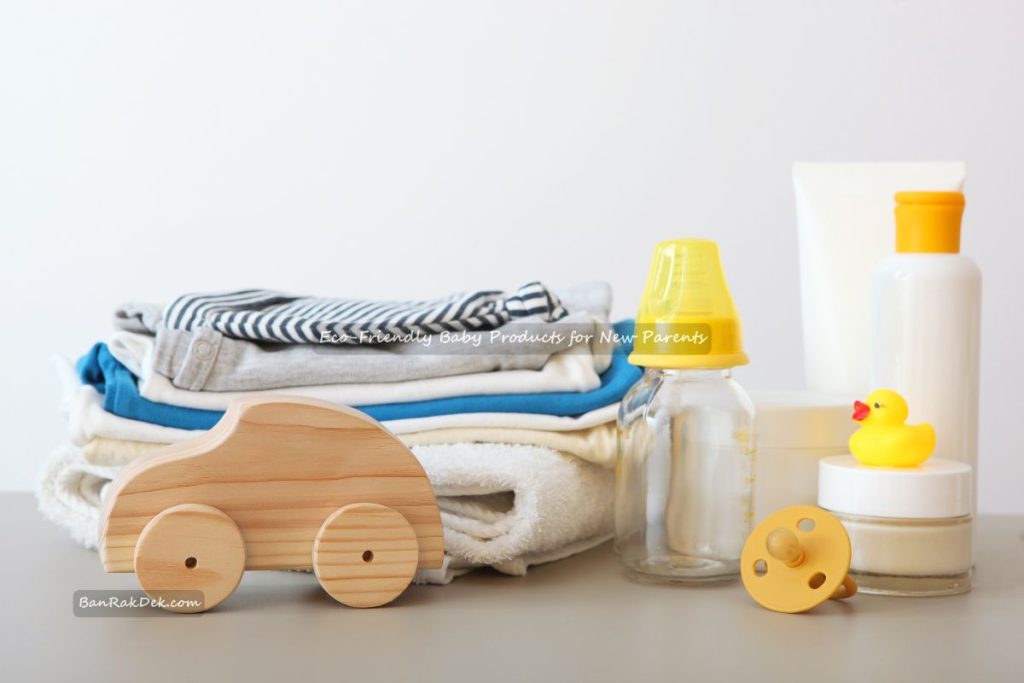
That’s where eco-friendly baby products for new parents come in — not as another chore on your to-do list, but as your quiet, calming superpower.
These aren’t crunchy luxuries reserved for off-grid cabins or Instagram influencers. They’re practical, gentle, often easier swaps that protect your baby’s sensitive skin, growing lungs, and curious little mouth — while also protecting the planet they’ll inherit.
Think:
☁️ Onesies made of cotton that wasn’t sprayed with pesticides.
💧 Diapers that won’t sit in a landfill until your grandkids are having kids.
🍼 Bottles that won’t leach mystery chemicals into midnight milk.
🧸 Toys that are safe to chew, toss, and love into oblivion.
More and more families — across cultures, budgets, and lifestyles — are choosing non-toxic baby essentials for eco-conscious families not to be “extra,” but to be intentional. Whether you’re in a Brooklyn brownstone, a Texas suburb, or a multigenerational home in Mumbai — this movement meets you where you are.
This guide? It’s your gentle, no-judgment roadmap.
We’ve handpicked 10 must-have items that passed the ultimate test:
✅ Pediatrician-approved safety
✅ Planet-friendly materials
✅ Sleep-deprived-parent practicality
No greenwashing. No overwhelm. Just real products that work — for your baby, your sanity, and your values.
So take a breath, mama. Or dada. Or nonna. Or tío. Or chosen family member holding the baby while Googling “are crib mattresses toxic?” (again).
You’re not starting from scratch. You’re starting from love.
And with these 10 essentials? You’re already ahead of the game.
Let’s begin.
Why Eco-Friendly Baby Products Matter (Even More Than You Think)
Let’s be real for a second: becoming a parent is equal parts magic and mayhem.
One minute you’re crying over a onesie that says “Tiny Human, Big Love,” and the next, you’re Googling “are crib mattresses toxic?” at 3 a.m. with one hand, while rocking a fussy newborn with the other.
You’re not alone. And here’s the good news: choosing eco-friendly baby products for new parents isn’t about perfection — it’s about progress. It’s about swapping one plastic bottle for a glass one. Choosing a diaper that won’t sit in a landfill for 500 years. Opting for toys that won’t off-gas mystery chemicals while your baby gnaws on them (because, let’s face it — they will).
More than ever, families are waking up to the truth: what’s gentle on the planet is usually gentler on baby, too. And that’s why non-toxic baby essentials for eco-conscious families aren’t just a trend — they’re a movement. A quiet, powerful revolution happening in nurseries, diaper bags, and laundry rooms across the globe.
Whether you’re building a baby registry, stocking up before D-day, or just trying to make smarter swaps as you go — this guide is your gentle, judgment-free roadmap.
We’ve curated 10 must-have items that check three boxes:
✅ Safe for baby
✅ Kind to the planet
✅ Actually practical for sleep-deprived humans (yes, even at 3 a.m.)
Let’s dive in.
What to Look For: Your Eco-Baby Shopping Checklist
Before we get to the list — let’s talk how to shop.
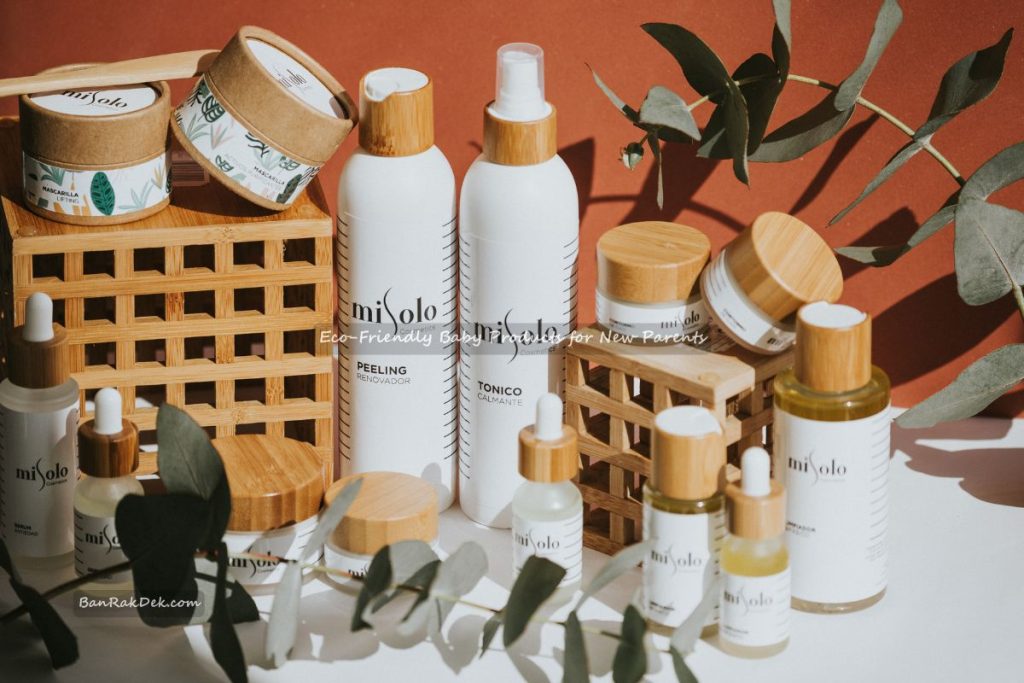
Not all “green” labels are created equal. Some brands slap “natural” on a package and call it a day (looking at you, neon-green “eco” wipes made of 90% plastic). So here’s your cheat sheet:
🔹 Certifications Matter:
Look for GOTS (Global Organic Textile Standard) for fabrics, OEKO-TEX for dyes, USDA Organic for skincare, and MADE SAFE® or EWG Verified™ for overall non-toxic assurance.
🔹 Materials to Love:
Organic cotton, bamboo, hemp, wood, stainless steel, food-grade silicone, plant-based plastics (like sugarcane), and unbleached, compostable fibers.
🔹 Red Flags to Avoid:
“Fragrance” (often a chemical cocktail), PVC, phthalates, BPA/BPS, PFAS (“forever chemicals”), parabens, and chlorine-bleached products.
🔹 Bonus Points For:
Plastic-free packaging, refillable systems, brands that repair or take back items, and companies owned by parents who’ve been in your sleep-deprived shoes.
This isn’t about guilt — it’s about power. The power to choose eco-friendly baby products for new parents that align with your values and survive the 3 a.m. test.
And if you’re building a baby registry? We’ve got a bonus section at the end with tips to make it stress-free (and seriously sustainable).
Ready? Let’s meet your 10 eco-essentials.
The Top 10 Must-Have Eco-Friendly Baby Products (Curated for Safety, Sustainability & Sanity)
Each of these has been chosen not just for being “green,” but for being great. Because let’s be honest — if it doesn’t work when you’re running on caffeine and chaos, it doesn’t belong in your nursery.
1. Organic Cotton Onesies & Sleepers — Because Baby Skin Deserves the Softest Start
Let’s start where it all begins: what touches your baby’s skin 24/7.
Conventional cotton is one of the most pesticide-heavy crops on earth. And baby skin? Up to 30% more absorbent than adult skin. That’s why organic baby clothes aren’t a luxury — they’re a baseline.
Look for GOTS-certified cotton — it means no synthetic pesticides, no toxic dyes, and fair labor practices. Brands like Burt’s Bees Baby, Finn + Emma, and Pact offer buttery-soft, gender-neutral styles that survive endless washes (and spit-ups).
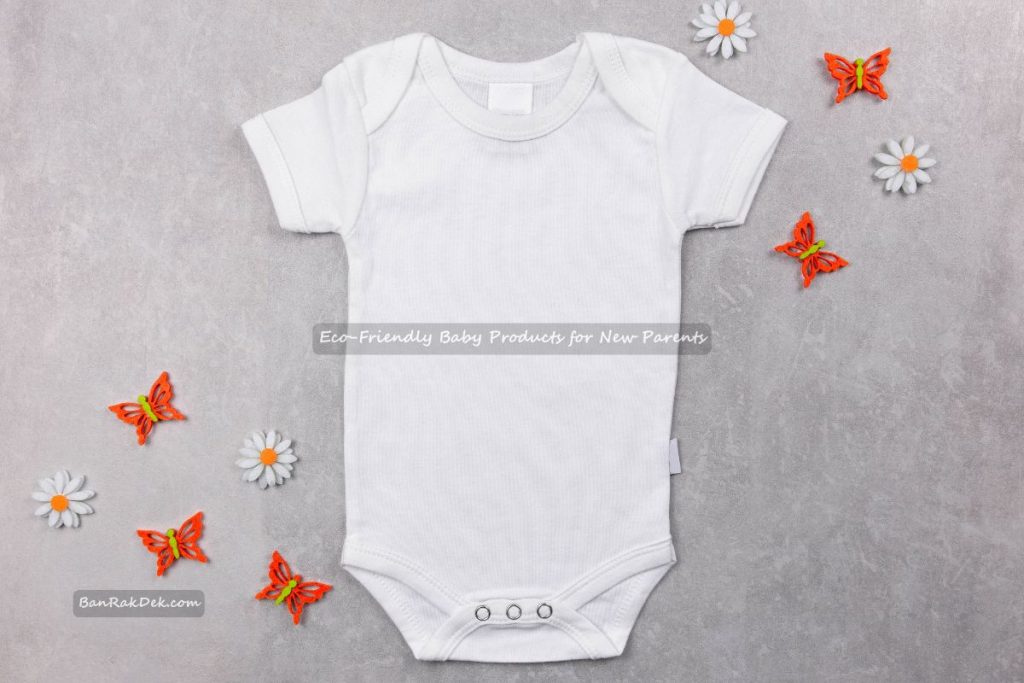
Pro Tip: Buy 5–7 in newborn size — babies grow faster than you think. And opt for envelope necks and kimono styles for easy middle-of-the-night changes.
This is one of those eco-friendly baby products for new parents that pays off in comfort, health, and peace of mind.
2. Biodegradable or Cloth Diapers — Because Landfills Don’t Need 20 Billion Diapers a Year
Here’s a wild stat: the average baby will go through 6,000+ diapers before potty training. Most of them will sit in a landfill for centuries.
Enter: biodegradable diapers (like Dyper, Eco by Naty, or Andy Pandy) or cloth systems (like Charlie Banana or Thirsties). Both drastically cut waste — and many modern cloth systems are easier than you think (no pins, no dunking — promise).
Biodegradables work like disposables but break down in composting facilities (check local options). Cloth? Higher upfront cost, but saves thousands over time — and many daycares now accept them.
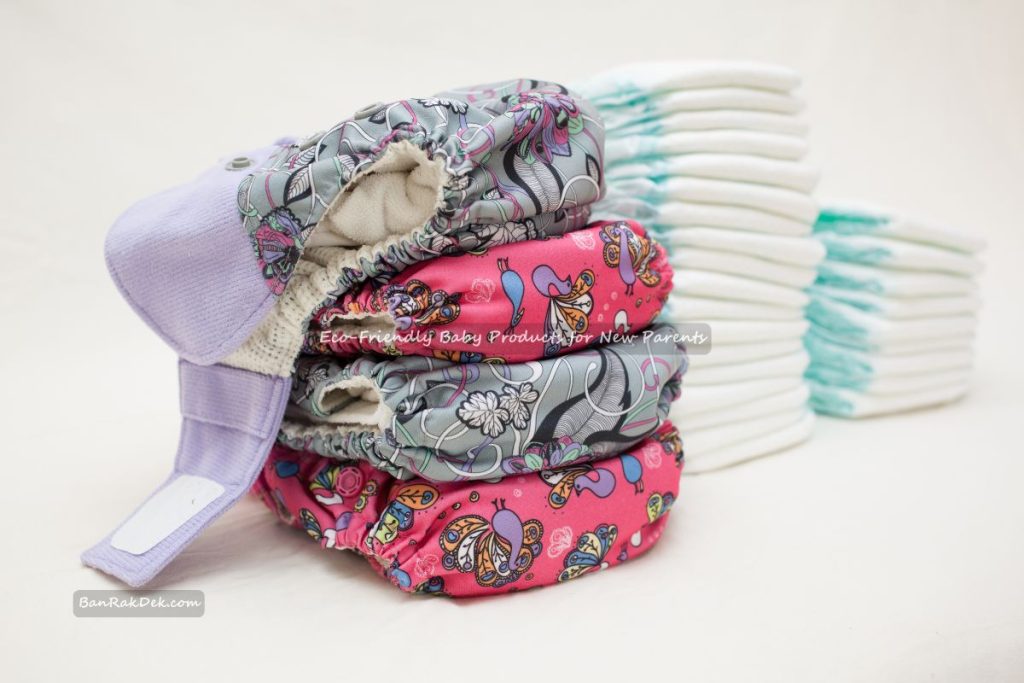
Bonus: Pair with zero waste baby products like reusable wipes (more on that later) and you’ve just slashed your baby’s environmental footprint by 50%.
3. BPA-Free, Plant-Based Baby Bottles — Safe Sips, From Day One
Whether you’re bottle-feeding from day one or supplementing later, bottles matter. Plastic can leach chemicals when heated — even “BPA-free” plastics sometimes contain sketchy substitutes.
That’s why glass (like Lifefactory or Evenflo) or plant-based materials (like Hevea’s 100% natural rubber or Nûby’s sugarcane-based bottles) are game-changers.
Look for:
- Wide necks for easy cleaning
- Silicone sleeves for grip + drop protection
- Compatibility with breast pumps
This is non-negotiable when assembling safe baby products 2025 standards — and absolutely essential for eco-friendly baby products for new parents.
4. Natural, Unscented Baby Skincare Set — Because “Fragrance-Free” Is the New Luxury
Baby skin doesn’t need lavender-scented lotions or bubble baths. In fact, “fragrance” is often code for hormone-disrupting phthalates.
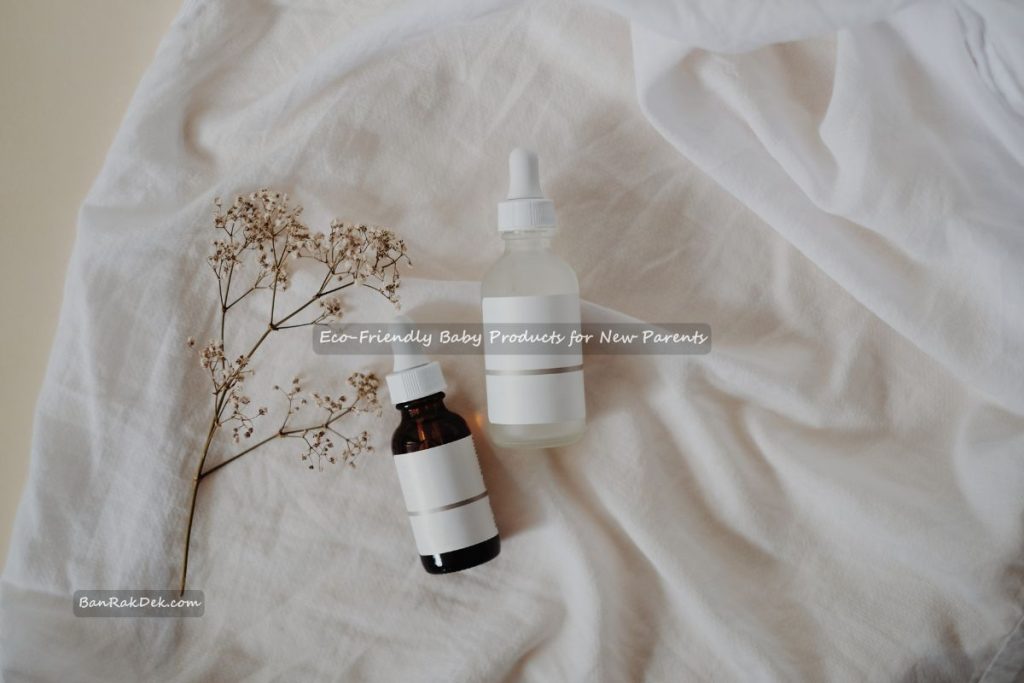
Stick to eco-friendly baby skincare with 5 ingredients or less: think organic calendula, chamomile, shea butter, and coconut oil. Brands like Earth Mama, Pipette, and Babo Botanicals nail the balance of gentle + effective.
Must-haves:
- Diaper cream (zinc oxide-based)
- Unscented wash + lotion
- Organic cotton washcloths
This is one of the most impactful non-toxic baby essentials for eco-conscious families — and often the most overlooked.
5. Wooden or Organic Stuffed Toys — Safe to Chew, Beautiful to Display
Plastic toys often contain PVC, phthalates, or flame retardants — all things you don’t want in your baby’s mouth (and yes, everything goes in the mouth).
Instead, choose:
- Solid wood teethers (Maple Landmark, Hape)
- Organic cotton stuffed animals (Under the Nile, Apple Park)
- Silicone-free, plant-dyed rattles (like those from Haakaa or BIBS)
These aren’t just safer — they’re heirloom-quality. Many become nursery decor, then toddler favorites, then hand-me-downs.
Perfect for building a collection of chemical-free baby toys that grow with your child.
6. Non-Toxic, Low-VOC Crib & Mattress — Where Baby Spends 70% of Their Time
If you splurge on one thing, make it this.
Cribs should be solid wood (no MDF or particleboard) with non-toxic, water-based finishes. Mattresses should be GOTS-certified organic cotton or wool, with natural latex — no polyurethane foam or chemical flame retardants.
Top picks:
- Crib: Babyletto Hudson (GREENGUARD Gold certified)
- Mattress: Naturepedic or Avocado (GOTS + MADE SAFE)
This is the heart of earth-friendly nursery items — and a cornerstone of non-toxic baby essentials for eco-conscious families.
7. Reusable Silicone or Stainless Steel Feeding Set — Ditch the Plastic, Keep the Convenience
Once solids start (around 6 months), plastic bowls, spoons, and sippy cups multiply like gremlins.
Swap in:
- Silicone suction bowls + spoons (like ezpz or Avanchy)
- Stainless steel cups (Klean Kanteen or Pura Kiki)
- Bamboo or stainless snack containers
They’re dishwasher-safe, freezer-safe, drop-proof, and won’t stain from sweet potato explosions. Plus — no microplastics sneaking into purees.
A must for any plastic-free baby essentials kit — and ideal for eco baby registry must-haves.
8. Washable, Organic Swaddle Blankets — Soft, Sustainable, and Seriously Multipurpose
Swaddles aren’t just for sleep — they’re stroller covers, nursing shields, burp cloths, picnic blankets, and impromptu superhero capes.
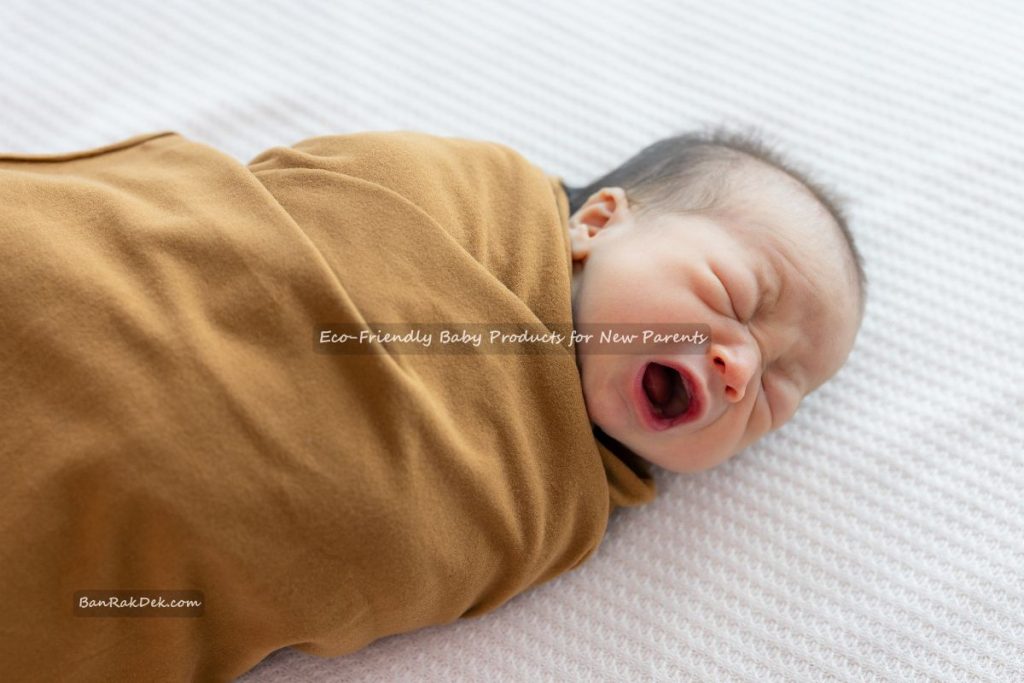
Choose GOTS-certified organic cotton or bamboo muslin (Aden + Anais, L’ovedbaby, or Burt’s Bees). They get softer with every wash and rarely need replacing.
Pro Tip: Buy 3–4 in different sizes. The large ones (47”x47”) are gold for swaddling, while smaller ones (30”x30”) are perfect for quick cleanups.
A beautiful example of organic baby clothes doing double (or triple) duty.
9. Eco-Friendly Baby Laundry Detergent — Because Baby Clothes Deserve Gentle Care
“Baby detergent” doesn’t automatically mean safe. Many contain optical brighteners, synthetic fragrances, or enzymes that irritate sensitive skin.
Switch to plant-based, fragrance-free detergents like:
- Branch Basics (concentrate = less plastic)
- Molly’s Suds
- Seventh Generation Free & Clear
Bonus: Use wool dryer balls instead of sheets — they soften clothes naturally and cut drying time.
Essential for maintaining natural baby care products — and keeping those eco-friendly baby products for new parents truly clean.
10. Cloth Wipes + Reusable Wipe Warmer — The Ultimate Zero-Waste Diaper Hack
Disposable wipes? Up to 8,000 per baby. Most aren’t flushable or compostable — and many contain alcohol, fragrance, or preservatives.
Cloth wipes (organic cotton or bamboo) + a simple spray bottle of water + drop of castile soap = game changer. Pair with a wipe warmer (yes, reusable ones exist — check out Prince Lionheart) for cozy bum baths.
The crown jewel of zero waste baby products — and a thoughtful pick for eco baby shower gifts.
Bonus: How to Build an Eco-Friendly Baby Registry (Without Overwhelm)
Registry panic is real. But it doesn’t have to be.
Start with this mantra: “Less stuff, better stuff.”
✅ Prioritize: Focus on the 10 items above. Skip the plastic bouncer that’ll be outgrown in 2 months.
✅ Communicate: Add a note: “We’re building a low-waste, non-toxic nursery — thank you for supporting our eco-journey!”
✅ Include Options: List 2–3 brands per item (e.g., “BPA-free bottle: Lifefactory or Hevea”).
✅ Add a “Green Gift” Section: For cash funds toward cloth diapers, a non-toxic mattress, or a sustainable baby brand subscription (like EarthHero or Package Free Shop).
✅ Timing: Open registry early — eco items often have longer lead times (handmade, small batch, or imported).
This is how you turn gift-giving into a force for good — and build a collection of non-toxic baby essentials for eco-conscious families that truly lasts.
Conclusion: Small Swaps, Big Impact
Choosing eco-friendly baby products for new parents isn’t about living off-grid or sewing your own diapers (unless you want to — you do you).
It’s about making thoughtful choices — one bottle, one blanket, one biodegradable wipe at a time.
You’re not just protecting your baby. You’re voting with your wallet for a cleaner, kinder world. You’re teaching your child — through the toys they play with, the clothes they wear, the air they breathe — that care matters.
And that? That’s legacy-level parenting.
So take a breath. You don’t have to do it all today. Start with one swap. Then another. Build your non-toxic baby essentials for eco-conscious families at your own pace.
Because here’s the secret no one tells you: eco-parenting isn’t harder. It’s simpler. Less clutter. Fewer chemicals. More meaning.
You’ve got this.
And we’re right here with you — every organic onesie, every wooden rattle, every midnight diaper change.
Welcome to the gentle revolution, mama. Welcome, dada. Welcome, tiny earth-protector.
We’re so glad you’re here.
❓ FAQs: Answering New Parents’ Top Eco-Baby Questions
Let’s tackle the big ones — straight from real parents.
Q: Are eco-friendly baby products really safer?
A: Often, yes. “Eco” usually means fewer synthetic chemicals, less plastic, and more transparency — all of which reduce your baby’s exposure to irritants and toxins. That said — always check certifications. “Green” labels can be misleading.
Q: What’s the most important non-toxic item to buy first?
A: Start with what touches skin or mouth most: diapers, onesies, bottles, and skincare. These have the biggest impact on daily exposure.
Q: How do I know if a brand is truly sustainable?
A: Look beyond marketing. Check:
- Do they publish sustainability reports?
- Are materials traceable?
- Do they have third-party certifications?
- Do they repair, recycle, or take back products?
Transparency = trust.
Q: Can I find affordable eco baby gear?
A: Absolutely. Buy secondhand (Facebook Marketplace, local buy-nothing groups), choose multi-use items (swaddles > specialty blankets), and prioritize: mattress > bottles > clothes > toys. Many best organic baby brands also offer payment plans or registries with discounts.
Q: What if my family thinks I’m “overdoing it”?
A: Smile and say, “I’m not trying to be perfect — I’m trying to be intentional.” Then hand them a wooden teether and let the baby charm them into submission.