
- Introduction
- Why Understanding Nursery Life Matters
- Nursery Life Is Built Around Routine
- Drop-Off Can Be Emotional
- Settling Takes Time
- Play Is A Big Part Of Learning
- Social Skills Grow Slowly
- Communication With Caregivers Matters
- Children May Act Differently At Home
- Meals And Snacks Are Part Of Routine
- Nap And Quiet Time
- Comfort Items Can Help
- Health And Safety Basics
- Separation Anxiety Is Normal
- What Parents Can Do Before The First Day
- What To Pack
- Helping Children Talk About Their Day
- When A Child Does Not Want To Go
- Building Confidence Through Routine
- Choosing A Good Nursery Or Play Setting
- Common Mistakes Parents Should Avoid
- Simple Checklist For Parents
- Conclusion
- FAQ
- What Does Understanding Nursery Life Mean?
- How Long Does It Take A Child To Settle Into Nursery?
- Is It Normal For A Child To Cry At Drop-Off?
- What Should Parents Pack For Nursery?
- How Can Parents Help With Separation Anxiety?
- Why Is Play Important In Nursery Life?
- What Should Parents Ask Caregivers?
- What If My Child Does Not Want To Go To Nursery?
- How Can I Know If A Nursery Setting Is Good?
- What Is The Most Important Tip For Parents?
Introduction
Understanding Nursery Life can help parents feel calmer, more prepared, and more confident when their child starts spending time in a nursery, playgroup, daycare-style setting, or indoor play environment. For young children, nursery life is not only about being away from home. It is also about learning routines, meeting other children, building confidence, practising communication, and exploring the world through play.
For parents, the first days can feel emotional. Some children settle quickly, while others need more time. Some cry at drop-off, some become quiet, and some show their feelings later at home. These reactions are normal because nursery life is a big change for many children.
This guide explains simple ways parents can support their child while Understanding Nursery Life in a gentle and practical way.
👉 “Parents learning about nursery life may also find this guide to Sand and Water Play for Kids helpful for understanding simple sensory play activities.”
Why Understanding Nursery Life Matters
Understanding Nursery Life matters because children feel safer when adults understand what they are experiencing. A nursery or play-based environment can be exciting, but it can also feel unfamiliar at first.
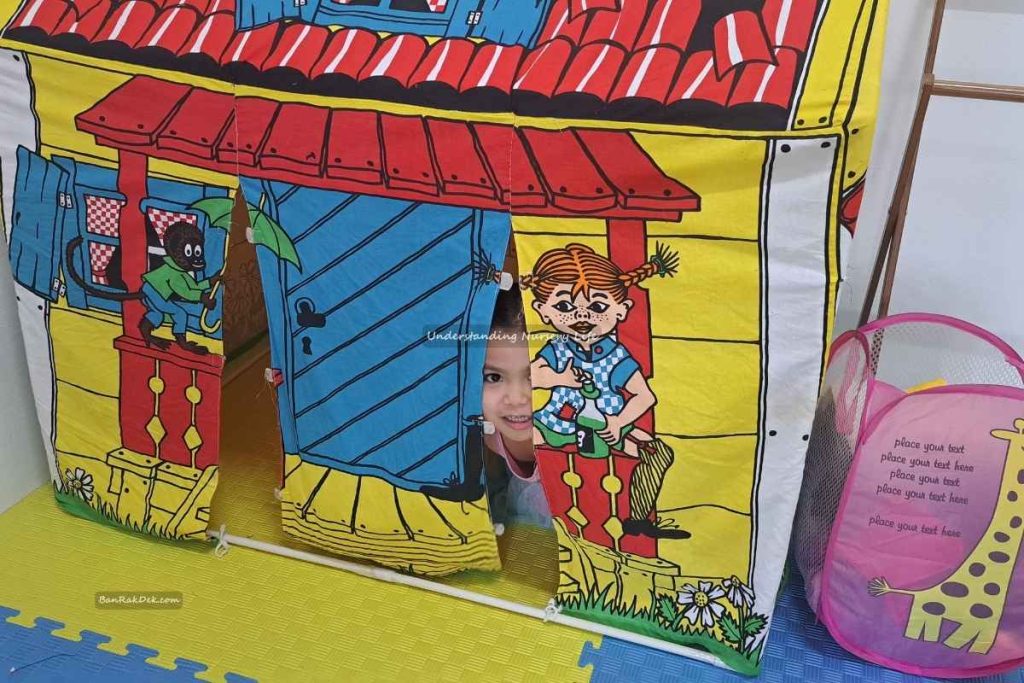
Children may need to adjust to:
- New people
- New rooms
- New toys
- New routines
- Group play
- Sharing
- Snack time
- Nap time
- Toileting routines
- Waiting for turns
- Different sounds
- Different rules
- Being away from parents
When parents understand these changes, they can respond with patience instead of worry.
Nursery life works best when parents and caregivers support the child together.
Nursery Life Is Built Around Routine
Routine is one of the most important parts of nursery life. Young children feel safer when they know what happens next. A predictable routine can help them understand the day and reduce stress.
A simple nursery routine may include:
- Arrival
- Greeting caregivers
- Free play
- Group activity
- Snack time
- Outdoor or indoor movement
- Story time
- Creative play
- Lunch
- Nap or quiet time
- Music or movement
- Pick-up
Every nursery or play setting has its own rhythm, but most follow a pattern that helps children feel secure.
Understanding Nursery Life means understanding that routine is not only about time. It is also about emotional safety.
Drop-Off Can Be Emotional
Drop-off is often one of the hardest parts for parents and children. A child may cry even if they enjoy nursery later in the day. This does not always mean something is wrong.
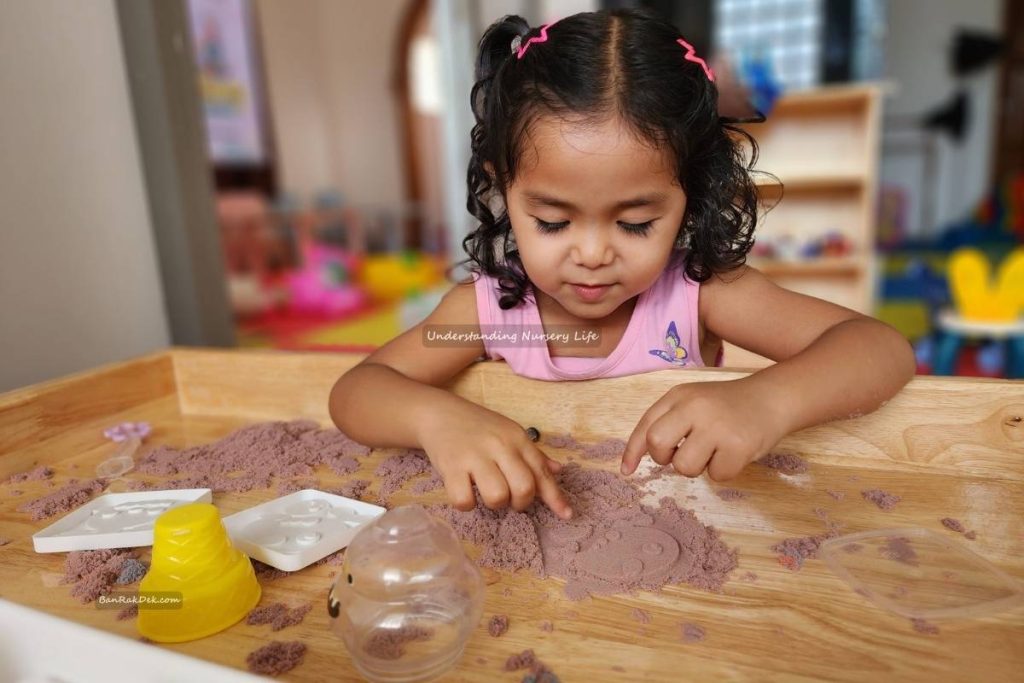
Children may cry because:
- They miss their parent
- The environment feels new
- They are tired
- They are hungry
- They are unsure what will happen
- They need more time to trust caregivers
- They are learning separation
Parents can help by keeping goodbye calm, warm, and short.
A simple goodbye could be:
“I love you. I will come back after playtime. Have a good day.”
Long, repeated goodbyes can sometimes make separation harder. A confident and loving goodbye helps children learn that parents leave and come back.
Settling Takes Time
Some children settle in a few days. Others need weeks. Both can be normal.
Settling may depend on:
- Child’s age
- Personality
- Previous childcare experience
- Sleep
- Health
- Family routine
- Language ability
- Comfort with groups
- Relationship with caregivers
- Parent emotions
- Length of time at nursery
Understanding Nursery Life helps parents remember that settling is a process, not a test.
A child who cries during the first week may later become happy, confident, and excited to attend.
Play Is A Big Part Of Learning
Nursery life often looks like simple play, but play is how young children learn. Through play, children practise thinking, movement, language, problem-solving, imagination, and social skills.
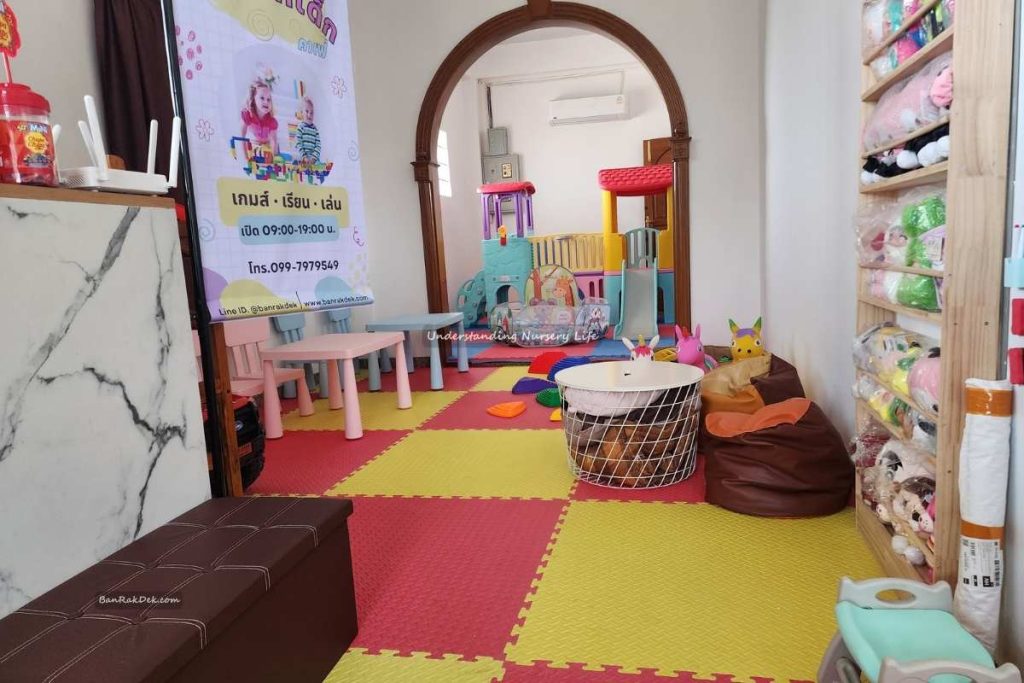
Play may include:
- Building blocks
- Pretend cooking
- Drawing
- Music
- Dancing
- Sorting toys
- Water play
- Sand play
- Story time
- Puzzles
- Climbing
- Running
- Sharing toys
- Playing beside other children
- Group games
Children are not “just playing.” They are learning how to explore, try, repeat, communicate, and understand the world.
For banrakdek.com readers, this is especially important because indoor play can support confidence, curiosity, movement, and friendship in a safe environment.
Social Skills Grow Slowly
Young children do not automatically know how to share, wait, take turns, or join group play. These are skills that develop with practice.
In nursery life, children may learn to:
- Say hello
- Ask for help
- Wait for a toy
- Share space
- Play beside others
- Join simple games
- Use kind words
- Understand feelings
- Follow simple rules
- Listen to caregivers
- Solve small conflicts
Parents should not expect perfect social behaviour right away.
Understanding Nursery Life means seeing social mistakes as learning moments. Children may grab toys, cry, refuse to share, or become frustrated. With gentle guidance, they slowly learn better ways to interact.
Communication With Caregivers Matters
Good communication between parents and caregivers makes nursery life easier. Parents know the child’s habits, personality, health, and comfort needs. Caregivers see how the child behaves in the group setting.
Useful things to share include:
- Sleep habits
- Eating habits
- Allergies
- Comfort items
- Words the child uses
- Toileting stage
- Fears
- Favourite toys
- Health concerns
- Recent changes at home
- Pick-up details
- Emergency contacts
Parents can also ask simple questions at pick-up:
- Did my child eat well?
- Did my child nap?
- What did my child enjoy today?
- Was anything difficult?
- Did my child play with others?
- Is there anything I should know?
Small daily updates can build trust.
Children May Act Differently At Home
Some children seem fine at nursery but become emotional at home. Others cry at drop-off but play happily after parents leave. Some children become more clingy, tired, quiet, or active during the settling period.
This can happen because children use a lot of energy adjusting to nursery life.
At home, parents may notice:
- More tiredness
- More cuddling
- More crying
- More hunger
- Earlier bedtime needs
- Changes in mood
- More independence
- New words
- New songs
- New play ideas
- Stronger emotions
Understanding Nursery Life helps parents respond calmly. A child may simply need comfort, rest, and connection after a busy day.
Meals And Snacks Are Part Of Routine
Food routines are an important part of nursery life. Snack time and meal time help children learn sitting, waiting, trying food, using cups, washing hands, and eating with others.
Parents should tell caregivers about:
- Food allergies
- Food restrictions
- Favourite foods
- Foods the child avoids
- Choking concerns
- Feeding habits
- Bottle or cup routines
- Mealtime difficulties
Some children eat more at nursery because they copy friends. Others eat less at first because the environment is new.
Be patient. Food habits may take time to settle.
Nap And Quiet Time
Young children often need rest during the day. Some nurseries have nap time, while others offer quiet time depending on the child’s age and schedule.
Parents should share:
- Usual nap time
- Sleep routine
- Comfort blanket or soft toy
- Pacifier use if relevant
- Sleep difficulties
- Wake-up habits
- How the child falls asleep
A child who does not nap well at first may be very tired in the evening. This can improve once the child feels safe and familiar with the routine.
Understanding Nursery Life includes understanding that rest is part of learning and emotional balance.
Comfort Items Can Help
A comfort item can help some children feel connected to home. This may be a small blanket, soft toy, family photo, or familiar item allowed by the nursery.
Comfort items can help with:
- Drop-off
- Nap time
- Emotional moments
- New routines
- Separation
- Feeling safe
Parents should check the nursery’s rules before sending items. Avoid expensive, sharp, tiny, or unsafe objects.
A simple comfort item can make a big difference during the settling period.
Health And Safety Basics
Health and safety are important in any nursery or indoor play environment. Young children explore with their hands, bodies, and senses, so clean and safe routines matter.
Parents should look for:
- Clean play areas
- Safe toys
- Clear supervision
- Handwashing routines
- Safe entry and exit
- Allergy awareness
- Emergency contact system
- Age-appropriate activities
- Safe climbing areas
- Clean toilets
- Clear pick-up rules
- Calm caregiver response
Parents should also keep children home when they are clearly unwell, especially with fever, vomiting, serious cough, contagious illness, or unusual tiredness.
This helps protect other children and staff.
Separation Anxiety Is Normal
Separation anxiety is common in young children. It can happen when a child starts nursery, changes routine, moves class, meets new caregivers, or returns after a break.
Signs may include:
- Crying at drop-off
- Clinging to parents
- Saying no to nursery
- Sleep changes
- More tantrums
- Wanting more cuddles
- Asking where parents are
- Becoming quiet
Parents can help by staying calm and consistent.
Helpful steps include:
- Talk about nursery positively
- Keep goodbye short
- Return when promised
- Build a simple morning routine
- Avoid sneaking away
- Give extra connection after pick-up
- Keep sleep routines steady
- Trust the settling process
Understanding Nursery Life helps parents see separation anxiety as a stage children can move through with support.
What Parents Can Do Before The First Day
Preparation can make nursery life easier.
Before the first day, parents can:
- Visit the nursery or play space if possible
- Talk about the routine
- Practise short separations
- Prepare a small bag
- Label belongings
- Share health information
- Adjust sleep schedule slowly
- Read books about starting nursery
- Use simple positive language
- Meet caregivers calmly
- Prepare pick-up details
- Keep the first morning simple
Avoid creating fear by saying things like “Don’t cry” too often. Instead, say something reassuring:
“You will play, have snack, and I will come back.”
What To Pack
What to pack depends on the child’s age and the nursery’s rules.
Common items may include:
- Extra clothes
- Diapers or underwear if needed
- Wipes
- Water bottle
- Hat
- Comfort item
- Sunscreen if allowed
- Small towel
- Milk bottle if needed
- Labelled bag
- Allergy information
- Spare socks
- Indoor shoes if required
Label everything. Young children often have similar bottles, clothes, and bags.
Helping Children Talk About Their Day
Some children cannot explain their nursery day clearly, especially toddlers. Parents can still help them share small memories.
Instead of asking, “What did you do today?” try simple questions:
- Did you play with blocks?
- Did you sing songs?
- Did you eat snack?
- Did you paint?
- Did you play with friends?
- Did your teacher read a story?
- What made you smile today?
Young children may answer with one word, gestures, or repeated stories. That is okay.
Parents can also watch for new songs, words, pretend play, or routines copied from nursery.
When A Child Does Not Want To Go
Some children may say they do not want to go to nursery. This can happen even after they have settled.
Possible reasons include:
- Tiredness
- Illness
- Change in routine
- Conflict with another child
- New caregiver
- Separation anxiety
- Overstimulation
- Wanting parent attention
- Difficulty with transitions
- New class or activity
Listen calmly and look for patterns. If the child resists every day or shows strong distress, talk with caregivers and try to understand what is happening.
Understanding Nursery Life means paying attention without panicking.
Building Confidence Through Routine
Confidence grows when children feel safe, known, and supported.
Parents can build confidence by:
- Keeping morning routines predictable
- Saying goodbye calmly
- Praising effort
- Talking positively about caregivers
- Showing interest in nursery activities
- Keeping bedtime steady
- Giving extra connection after pick-up
- Letting children practise small independence
- Encouraging simple choices
- Celebrating small progress
Small steps matter. A child who enters quietly today may later walk in with confidence.
Choosing A Good Nursery Or Play Setting
Parents should choose a setting that feels safe, warm, clean, and suitable for their child’s age and personality.
Look for:
- Friendly caregivers
- Clean environment
- Safe toys
- Age-appropriate activities
- Clear routine
- Good communication
- Calm discipline style
- Secure entry and exit
- Emergency process
- Healthy snack routines
- Space for movement
- Space for quiet time
- Positive child interactions
- Parent updates
The best setting is not always the biggest or most expensive. It is the one where the child feels safe and cared for.
Common Mistakes Parents Should Avoid
Parents can make nursery life harder without meaning to.
Common mistakes include:
- Rushing the morning too much
- Sneaking away without goodbye
- Staying too long during drop-off
- Showing too much worry in front of the child
- Comparing children
- Expecting instant settling
- Forgetting extra clothes
- Not sharing health information
- Ignoring sleep routines
- Overplanning after nursery
- Asking too many big questions after pick-up
- Not communicating with caregivers
A calm, steady approach usually works better.
Simple Checklist For Parents
Use this checklist when preparing for nursery life:
- I understand the daily routine
- I know drop-off and pick-up rules
- I shared health information
- I labelled my child’s belongings
- I packed extra clothes
- I prepared a calm goodbye routine
- I know who to contact
- I understand meal and nap routines
- I will give my child time to settle
- I will ask caregivers simple questions
- I will watch for tiredness after nursery
- I will stay patient during emotional days
This checklist can help parents feel more organised and less stressed.
👉 “Parents learning about nursery life may also find this practical guide to Helping Children Settle Into Daycare useful for smoother daily routines.”
Conclusion
Understanding Nursery Life helps parents support children with more patience, confidence, and kindness. Nursery life gives children chances to play, learn routines, build social skills, practise independence, and feel part of a small community outside the home.
The first days may feel emotional, but settling takes time. Some children cry, some become quiet, and some show their feelings later at home. These reactions can be part of the adjustment process.
For banrakdek.com families, the most important message is simple: children need safety, routine, play, communication, rest, and loving support. When parents and caregivers work together, nursery life can become a positive step in a child’s growth.
With calm preparation and realistic expectations, Understanding Nursery Life becomes easier for both parents and children.
FAQ
What Does Understanding Nursery Life Mean?
Understanding Nursery Life means knowing how nursery routines, play, separation, meals, naps, caregiver communication, and social learning affect young children.
How Long Does It Take A Child To Settle Into Nursery?
Every child is different. Some settle in a few days, while others need several weeks. Patience and a steady routine can help.
Is It Normal For A Child To Cry At Drop-Off?
Yes. Crying at drop-off is common, especially during the first days or after a break. A calm and short goodbye can help.
What Should Parents Pack For Nursery?
Parents may need extra clothes, diapers or underwear, wipes, water bottle, comfort item, hat, labelled bag, and any items requested by the nursery.
How Can Parents Help With Separation Anxiety?
Parents can help by keeping routines predictable, saying goodbye calmly, avoiding sneaking away, returning when promised, and giving extra comfort after pick-up.
Why Is Play Important In Nursery Life?
Play helps children learn language, movement, imagination, problem-solving, confidence, social skills, and emotional regulation.
What Should Parents Ask Caregivers?
Parents can ask about meals, naps, play, mood, social interaction, difficult moments, and anything the child may need for the next day.
What If My Child Does Not Want To Go To Nursery?
Listen calmly, check for patterns, talk with caregivers, and look at sleep, health, separation, friendship, and routine changes.
How Can I Know If A Nursery Setting Is Good?
Look for cleanliness, safety, caring staff, clear routines, good communication, age-appropriate play, secure entry, and positive child interactions.
What Is The Most Important Tip For Parents?
The most important tip is to stay calm, consistent, and patient. Children settle better when adults feel steady and supportive.