
- Introduction
- Why It’s Crucial to Build Healthy Eating Habits in Young Kids
- Creating a Positive Food Environment at Home
- How to Introduce Nutritious Foods to Kids
- The Importance of Family Mealtime
- Smart Strategies to Reduce Picky Eating
- Encouraging Healthy Snacking Habits
- Hydration: The Key to Good Health
- Teaching Kids About Nutrition Through Fun Activities
- Handling Sugar and Junk Food the Right Way
- The Long-Term Impact of Healthy Eating Habits
- Final Thoughts
- FAQ – To Build Healthy Eating Habits in Young Kids
- Why is it important to build healthy eating habits in young kids?
- How can parents encourage kids to eat more fruits and vegetables?
- What are some fun ways to build healthy eating habits in young kids?
- How do you handle picky eaters while trying to build healthy eating habits in young kids?
- What are the best healthy snacks for young kids?
- How can family mealtimes help to build healthy eating habits in young kids?
- What are the best drinks for kids to stay hydrated?
- Can kids have treats while trying to build healthy eating habits in young kids?
Introduction
Developing a strong foundation in nutrition is essential for children’s growth, brain development, and overall well-being. However, with the rise of processed foods and sugary snacks, parents often struggle to build healthy eating habits in young kids. The good news is that it’s never too early to start!
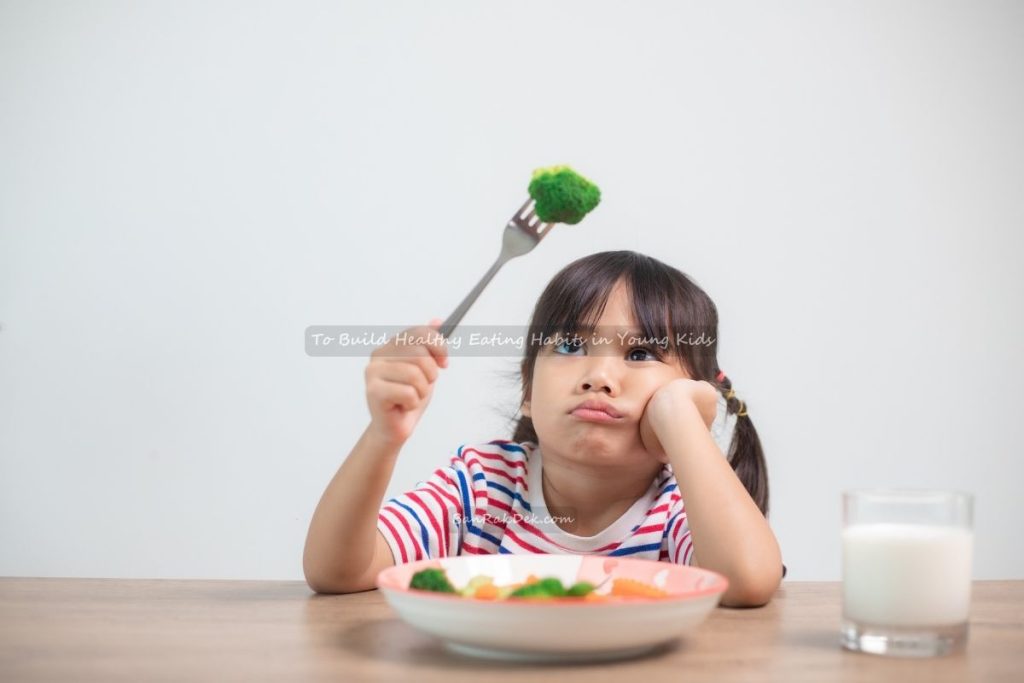
In this comprehensive guide, we will explore the most effective ways to build healthy eating habits in young kids. From creating a positive food environment to making mealtime fun, this article will equip you with practical tips to ensure your child develops a lifelong love for nutritious foods.
Why It’s Crucial to Build Healthy Eating Habits in Young Kids
The early years of a child’s life shape their eating behaviors, preferences, and health outcomes. Establishing the right habits now prevents obesity, strengthens the immune system, and reduces the risk of chronic diseases later in life.
Key Benefits of Healthy Eating in Kids
Supports brain development and cognitive function
Enhances energy levels and focus
Strengthens bones and muscles
Reduces the risk of childhood obesity
Establishes a positive relationship with food
By making small, sustainable changes, parents can effectively work to build healthy eating habits in young kids while keeping mealtimes enjoyable.
Creating a Positive Food Environment at Home
Children learn from their surroundings, and the home environment plays a vital role in shaping their eating habits. Here are a few ways to foster a healthy relationship with food:

Make Healthy Foods Easily Available
- Keep fresh fruits, vegetables, and whole grains within reach.
- Store unhealthy snacks out of sight to minimize temptation.
- Serve colorful meals with a variety of textures to make food more appealing.
Be a Role Model
Kids imitate adults, so if they see you enjoying nutritious meals, they’ll be more inclined to follow suit. Show enthusiasm for healthy foods, and they will naturally become a part of your child’s routine.
Avoid Using Food as a Reward or Punishment
Instead of bribing kids with sweets for good behavior, encourage a positive mindset toward all foods. Using food as a reward can create emotional eating habits that persist into adulthood.
How to Introduce Nutritious Foods to Kids
Introducing healthy foods in a fun and engaging way is key to building healthy eating habits in young kids.
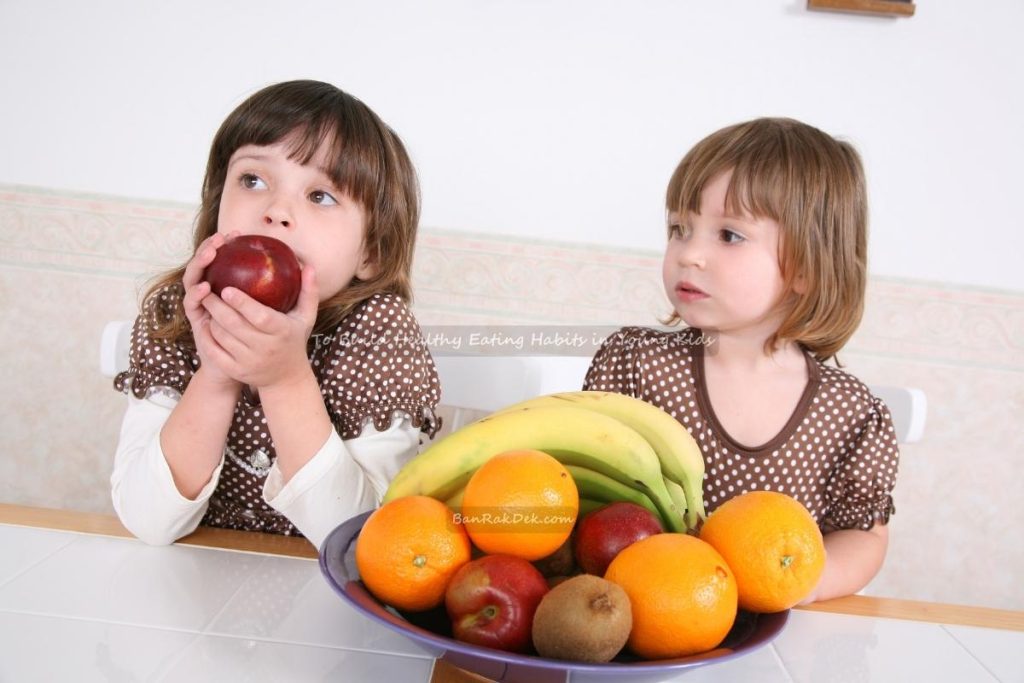
Start with Small Changes
- Swap sugary cereals with oatmeal or whole-grain options.
- Replace white bread with whole wheat or multigrain varieties.
- Offer flavored water with fresh fruit instead of sugary juices or sodas.
Make Mealtimes Exciting
Turn mealtime into an enjoyable experience with creative presentations:
Create “veggie rainbows” on plates.
Make fruit skewers with different colors and textures.
Use cookie cutters to shape sandwiches and vegetables into fun designs.
When food looks fun, kids are more likely to try and enjoy it!
The Importance of Family Mealtime
One of the most effective ways to build healthy eating habits in young kids is by eating together as a family.
Why Family Meals Matter
Encourages kids to eat a balanced diet.
Creates opportunities for positive role modeling.
Promotes mindful eating and reduces overeating.
Strengthens family bonds and communication.
To make family meals work, establish regular mealtimes and limit distractions like TV and smartphones.
Smart Strategies to Reduce Picky Eating
Picky eating is a common challenge for parents, but with patience and the right approach, you can help your child embrace a wider variety of foods.
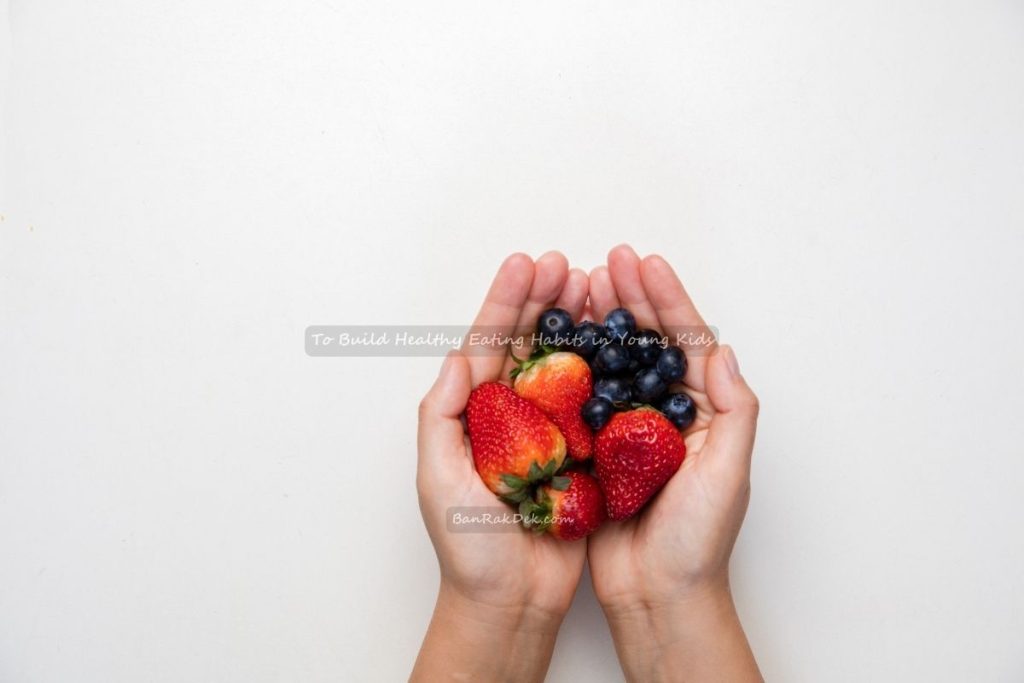
Introduce New Foods Gradually
- Pair unfamiliar foods with their favorites.
- Let kids explore new foods without pressure.
- Offer choices—“Would you like carrots or cucumbers?”
Get Kids Involved in Cooking
When children participate in meal preparation, they feel a sense of ownership and are more likely to eat what they’ve made. Simple tasks like washing veggies, stirring ingredients, or setting the table can make a big difference.
Encouraging Healthy Snacking Habits
Snacks can be an essential part of a child’s diet if chosen wisely. Instead of processed snacks, opt for nutritious alternatives:
Healthy Snack Ideas
Banana with peanut butter
Cucumber slices with hummus
Cheese cubes with whole-grain crackers
Air-popped popcorn with a sprinkle of cinnamon
Nuts and dried fruit mix (for older kids)
By keeping healthy snacks accessible, you can easily support efforts to build healthy eating habits in young kids.
Hydration: The Key to Good Health
Many kids consume sugary drinks without realizing their negative impact. To keep your child properly hydrated:
Encourage drinking water throughout the day.
Offer milk or unsweetened dairy alternatives.
Infuse water with fruits for natural flavor.
Steering clear of sugary beverages will support your child’s overall well-being and energy levels.
Teaching Kids About Nutrition Through Fun Activities
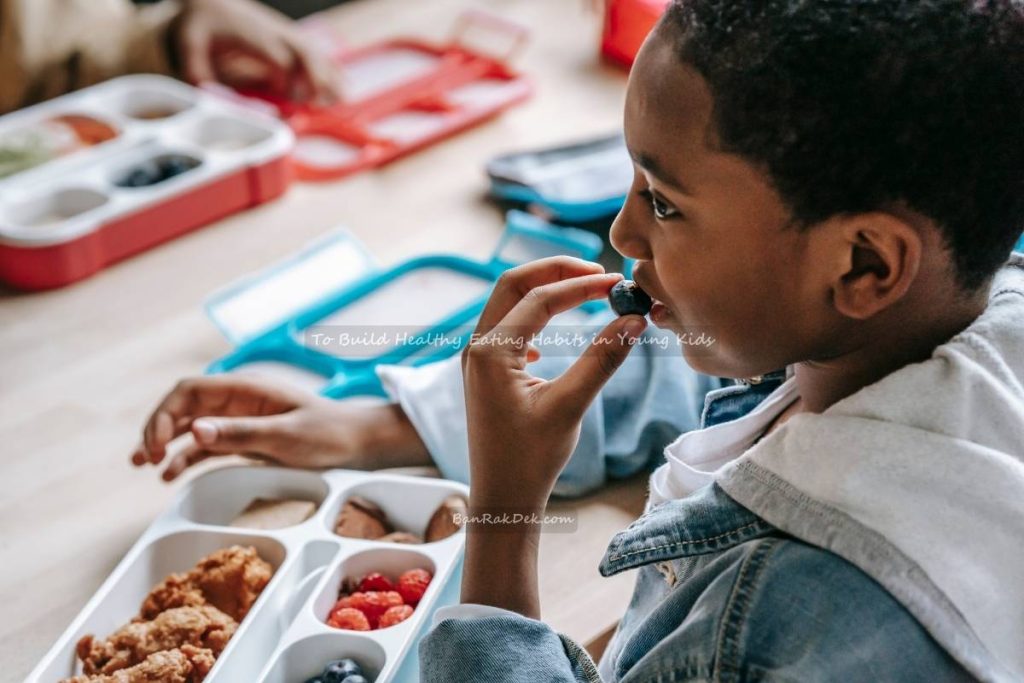
Kids learn best through play, so make nutrition education interactive:
Food Art – Let them paint with food colors or make food-themed crafts.
Storytelling – Read books about healthy eating.
Grocery Shopping Adventure – Let kids pick one new fruit or vegetable each trip.
Cooking Games – Turn cooking into a fun experiment.
These activities make the journey to build healthy eating habits in young kids an enjoyable and rewarding experience.
Handling Sugar and Junk Food the Right Way
Banning sweets entirely can make them more desirable. Instead, teach balance and moderation:
Allow occasional treats without guilt.
Encourage portion control—one small treat instead of a binge.
Teach kids to recognize how certain foods make them feel (e.g., sluggish vs. energetic).
By keeping a balanced approach, kids will develop a healthy perspective on indulgences.
The Long-Term Impact of Healthy Eating Habits
When parents take the time to build healthy eating habits in young kids, they lay the foundation for a lifetime of well-being. These habits contribute to:
Better academic performance
Stronger immune systems
Reduced risk of lifestyle-related diseases
A positive and healthy relationship with food
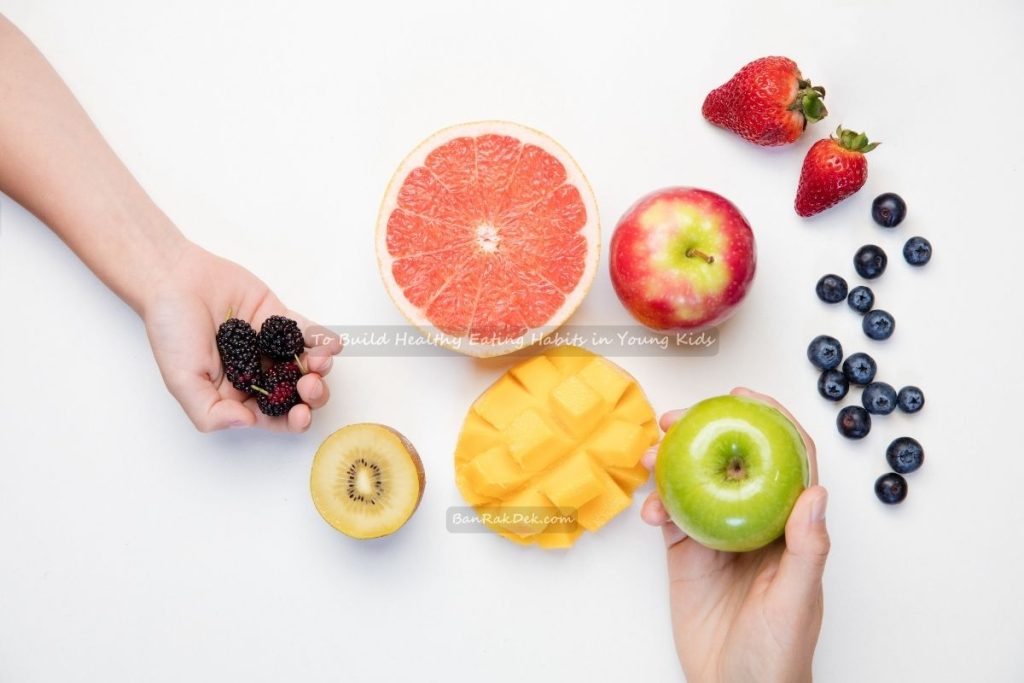
The effort you put in today will shape your child’s health and happiness in the future.
Final Thoughts
Establishing good nutrition practices at an early age sets children up for a lifetime of health and vitality. By creating a positive food environment, involving kids in meal planning, and making healthy eating fun, you can successfully work to build healthy eating habits in young kids.
Start with small steps, be patient, and most importantly—enjoy the process together!
FAQ – To Build Healthy Eating Habits in Young Kids
Why is it important to build healthy eating habits in young kids?
It is essential to build healthy eating habits in young kids because early nutrition affects their growth, brain development, and long-term health. A balanced diet helps prevent childhood obesity, strengthens the immune system, and promotes better energy levels.
How can parents encourage kids to eat more fruits and vegetables?
Parents can encourage kids to eat more fruits and vegetables by making meals fun, involving them in grocery shopping and cooking, and offering a variety of colorful foods. Creating “veggie rainbows” or fruit skewers can make eating healthy exciting.
What are some fun ways to build healthy eating habits in young kids?
Some fun ways to build healthy eating habits in young kids include turning meals into creative experiences, letting kids help prepare food, reading books about nutrition, and introducing food-related games and activities.
How do you handle picky eaters while trying to build healthy eating habits in young kids?
For picky eaters, introduce new foods gradually, pair them with familiar favorites, and avoid forcing them to eat. Allowing kids to explore food without pressure can help them develop a positive attitude toward healthy eating.
What are the best healthy snacks for young kids?
Healthy snack options include:
Banana with peanut butter
Cucumber slices with hummus
Cheese cubes with whole-grain crackers
Air-popped popcorn with a sprinkle of cinnamon
How can family mealtimes help to build healthy eating habits in young kids?
Family mealtimes create a positive eating environment, encourage mindful eating, and set an example for healthy food choices. Eating together helps kids develop better eating behaviors and strengthens family bonds.
What are the best drinks for kids to stay hydrated?
The best drinks for hydration are water, milk, and natural fruit-infused water. Avoid sugary drinks like soda and artificial juices, which can lead to unhealthy eating habits.
Can kids have treats while trying to build healthy eating habits in young kids?
Yes! The key is balance and moderation. Allowing occasional treats while focusing on whole, nutritious foods prevents kids from developing an unhealthy relationship with sweets and junk food.