
- Introduction: The Importance of Healthy Eating for Young Kids
- Why Healthy Eating for Young Kids is Essential
- Key Nutrients in Healthy Eating for Young Kids
- How to Encourage Healthy Eating for Young Kids
- Healthy Meal Ideas for Young Kids
- Overcoming Challenges in Healthy Eating for Young Kids
- Building Lifelong Healthy Eating Habits
- Conclusion: Prioritizing Healthy Eating for Young Kids
- FAQ – Healthy Eating for Young Kids
- Why is healthy eating for young kids important?
- What are the essential nutrients in healthy eating for young kids?
- How can I encourage healthy eating for young kids if they are picky eaters?
- What are some healthy meal ideas for young kids?
- How can I reduce processed and sugary foods in my child’s diet?
- How do I create a structured meal routine for my child?
- Can healthy eating for young kids be affordable?
- How much water should young kids drink daily?
- How can I make vegetables more appealing to young kids?
- What are the long-term benefits of healthy eating for young kids?
Introduction: The Importance of Healthy Eating for Young Kids
Ensuring healthy eating for young kids is one of the most crucial responsibilities for parents and caregivers. A child’s diet directly impacts their growth, development, cognitive function, and long-term health. However, in today’s fast-paced world, processed foods, sugary snacks, and unhealthy eating habits have become the norm, making it challenging to maintain a balanced diet.
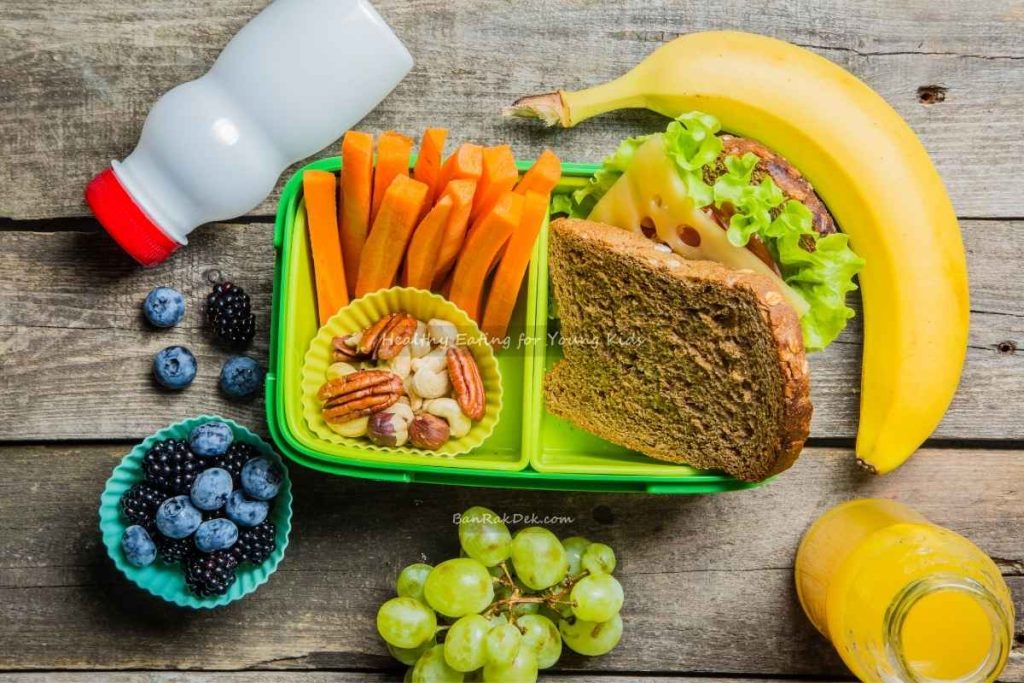
In this comprehensive guide, we will explore the significance of healthy eating for young kids, the essential nutrients they need, and practical strategies to make healthy eating enjoyable.
Why Healthy Eating for Young Kids is Essential
Proper nutrition plays a significant role in a child’s physical and mental development. Here are some of the key benefits of healthy eating for young kids:
- Supports Growth and Development: Nutrient-rich foods provide the essential vitamins and minerals needed for strong bones, muscle growth, and brain development.
- Boosts Immunity: A well-balanced diet strengthens the immune system, helping children fight off illnesses.
- Improves Cognitive Function: Healthy foods enhance memory, focus, and learning abilities.
- Prevents Childhood Obesity: A balanced diet helps maintain a healthy weight and reduces the risk of obesity-related diseases.
- Promotes Healthy Eating Habits for Life: Establishing good eating habits early sets the foundation for a lifetime of healthy choices.
Key Nutrients in Healthy Eating for Young Kids
Children require a variety of nutrients to thrive. A well-rounded diet should include the following essential nutrients:

Protein
Protein is vital for muscle growth, tissue repair, and enzyme production. Excellent protein sources include:
- Lean meats (chicken, turkey, fish)
- Eggs
- Dairy products (milk, yogurt, cheese)
- Legumes (beans, lentils, chickpeas)
- Nuts and seeds
Carbohydrates
Carbohydrates provide energy for daily activities and brain function. Healthy carbohydrate sources include:
- Whole grains (brown rice, quinoa, whole wheat bread)
- Fruits (bananas, apples, berries)
- Vegetables (sweet potatoes, carrots, peas)
- Legumes (beans, lentils)
Healthy Fats
Healthy fats support brain function and cell growth. Sources include:
- Avocados
- Nuts and seeds
- Olive oil
- Fatty fish (salmon, mackerel, tuna)
- Dairy products
Vitamins and Minerals
Vitamins and minerals support overall health and development. Key nutrients include:
- Calcium (dairy, leafy greens) for strong bones
- Iron (lean meats, spinach, beans) for oxygen transport
- Vitamin C (citrus fruits, bell peppers) for immunity
- Vitamin D (sunlight, fortified dairy) for bone health
Fiber
Fiber aids digestion and keeps the gut healthy. Sources include:
- Whole grains
- Fruits and vegetables
- Nuts and seeds
- Legumes
How to Encourage Healthy Eating for Young Kids
Developing healthy eating habits in children requires patience, creativity, and consistency. Here are some effective strategies:
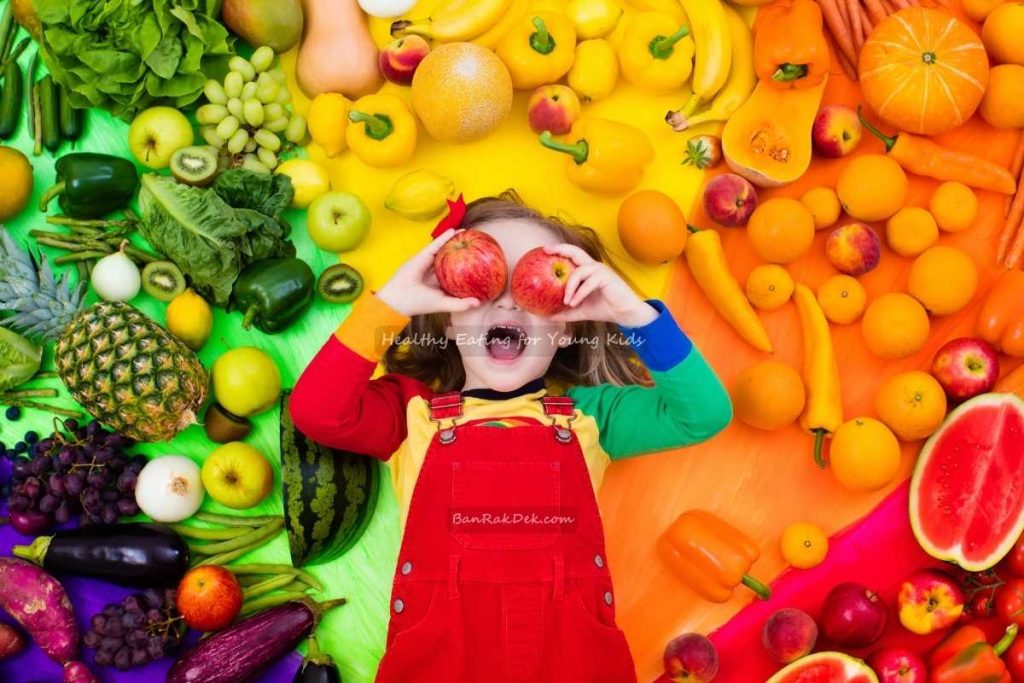
Make Healthy Eating Fun
Children are more likely to enjoy nutritious meals when they are fun and visually appealing. Try these tips:
- Cut fruits and vegetables into fun shapes
- Create colorful plates with a variety of foods
- Allow kids to assemble their own meals, such as building a sandwich or making a smoothie
Involve Kids in Meal Preparation
When children help prepare meals, they feel more connected to their food. Let them:
- Choose vegetables at the grocery store
- Stir, mix, and assemble meals
- Learn simple cooking skills under supervision
Set a Good Example
Children mimic their parents’ behaviors. By practicing healthy eating for young kids, you reinforce the importance of good nutrition. Eat balanced meals and show enthusiasm for healthy foods.
Avoid Processed and Sugary Foods
Processed foods often contain unhealthy additives, excessive sugar, and harmful fats. Minimize:
- Sugary cereals
- Fast food
- Soda and sugary drinks
- Packaged snacks with artificial ingredients
Create a Structured Meal Routine
Children thrive on routine. Establish a consistent schedule for meals and snacks to prevent unhealthy grazing.
Encourage Hydration
Water is essential for overall health. Teach kids to drink water instead of sugary drinks and keep them hydrated throughout the day.
Healthy Meal Ideas for Young Kids
Breakfast Ideas
- Oatmeal with fresh berries and honey
- Scrambled eggs with whole-wheat toast
- Greek yogurt with granola and banana slices
Lunch Ideas
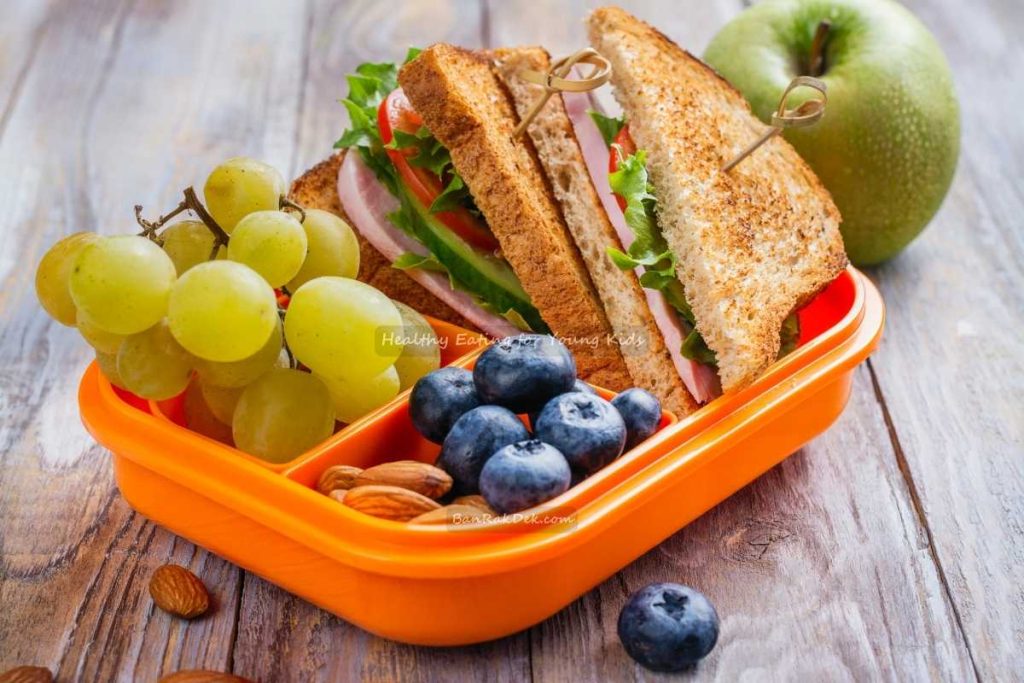
- Whole-grain turkey and cheese sandwich with veggie sticks
- Quinoa salad with chickpeas, cucumbers, and tomatoes
- Homemade vegetable soup with whole-grain crackers
Dinner Ideas
- Grilled salmon with roasted sweet potatoes and steamed broccoli
- Chicken stir-fry with brown rice and mixed vegetables
- Lentil stew with whole-wheat bread
Snack Ideas
- Apple slices with peanut butter
- Homemade trail mix with nuts, seeds, and dried fruit
- Carrot and cucumber sticks with hummus
Overcoming Challenges in Healthy Eating for Young Kids

Picky Eating
Picky eaters can be a challenge, but persistence is key. Strategies include:
- Offering new foods multiple times
- Mixing new ingredients with familiar favorites
- Encouraging kids to explore different textures and flavors
Limited Time for Meal Prep
Busy schedules make it tough to prepare healthy meals. Solutions include:
- Meal prepping in advance
- Using slow cookers or one-pan recipes
- Keeping healthy snacks readily available
Budget Constraints
Healthy eating does not have to be expensive. Budget-friendly tips:
- Buy seasonal fruits and vegetables
- Purchase in bulk
- Cook homemade meals instead of eating out
Building Lifelong Healthy Eating Habits
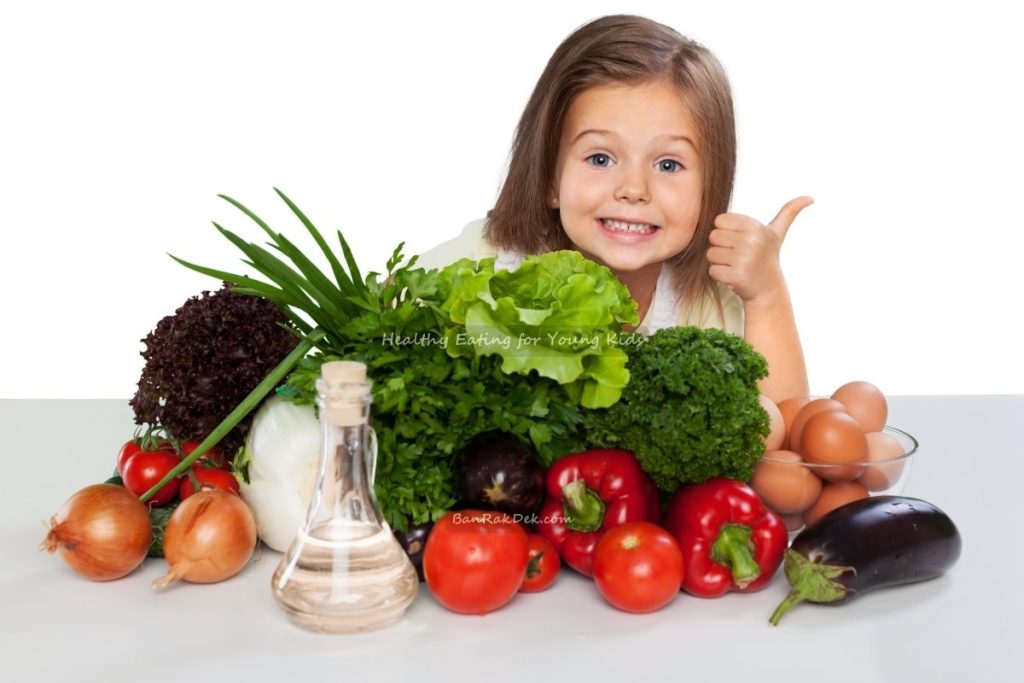
To ensure healthy eating for young kids becomes a lifelong habit, focus on:
- Encouraging balance, not restrictions
- Teaching kids to listen to their hunger and fullness cues
- Making mealtimes a positive and enjoyable experience
By instilling these habits early, children develop a healthy relationship with food that benefits them throughout their lives.
Conclusion: Prioritizing Healthy Eating for Young Kids
Ensuring healthy eating for young kids is a rewarding journey that requires dedication, creativity, and patience. A nutrient-rich diet supports their growth, cognitive development, and overall well-being. By incorporating balanced meals, engaging kids in food preparation, and setting a positive example, parents can create a solid foundation for lifelong health.
With these strategies, healthy eating can become an enjoyable and natural part of a child’s routine, setting them up for a bright and vibrant future.
FAQ – Healthy Eating for Young Kids
Why is healthy eating for young kids important?
Healthy eating for young kids is crucial as it supports growth, boosts immunity, enhances brain function, and prevents obesity. A balanced diet helps children develop strong bodies and sharp minds while promoting lifelong healthy habits.
What are the essential nutrients in healthy eating for young kids?
Children need protein, carbohydrates, healthy fats, vitamins, minerals, and fiber for optimal growth and development. These nutrients support muscle growth, energy levels, and brain function while strengthening their immune system.
How can I encourage healthy eating for young kids if they are picky eaters?
To encourage healthy eating for young kids, introduce new foods gradually, make meals visually appealing, and involve kids in meal preparation. Offering a variety of flavors and textures helps them develop a taste for nutritious foods.
What are some healthy meal ideas for young kids?
Some nutritious meal ideas include:
- Breakfast: Oatmeal with fruits, scrambled eggs with whole-wheat toast
- Lunch: Whole-grain turkey sandwiches, quinoa salad
- Dinner: Grilled salmon with veggies, chicken stir-fry with brown rice
- Snacks: Apple slices with peanut butter, homemade trail mix
How can I reduce processed and sugary foods in my child’s diet?
Replace processed foods with fresh, whole ingredients. Opt for homemade meals, offer fruits instead of sugary snacks, and encourage water instead of sugary drinks. Small, consistent changes can significantly improve your child’s eating habits.
How do I create a structured meal routine for my child?
A structured routine helps prevent unhealthy snacking. Set fixed meal and snack times, offer balanced meals, and ensure a calm eating environment. Consistency helps children develop a healthy relationship with food.
Can healthy eating for young kids be affordable?
Yes! Buy seasonal produce, purchase whole foods in bulk, prepare meals at home, and use budget-friendly ingredients like beans, lentils, and whole grains. Healthy eating doesn’t have to be expensive with smart planning.
How much water should young kids drink daily?
Hydration is essential for children. Depending on age and activity level, kids should drink around 5-7 cups of water daily. Encourage water over sugary drinks to maintain good health.
How can I make vegetables more appealing to young kids?
Make vegetables fun by cutting them into shapes, pairing them with dips like hummus or yogurt, and including them in favorite meals like pasta or smoothies. Positive reinforcement and creative presentation make a big difference.
What are the long-term benefits of healthy eating for young kids?
Long-term benefits include strong bones, a healthy weight, improved academic performance, better immunity, and reduced risk of chronic diseases. Establishing healthy habits early sets the foundation for a lifetime of wellness.