
The Importance of Early Childhood Education
- The Importance of Early Childhood Education
- Introduction: Understanding the Importance of Early Childhood Education
- Cognitive Development in Early Years
- Social and Emotional Growth in Childhood
- The Role of Play-Based Learning
- The Connection Between Early Education and Academic Success
- Early Childhood Education and Brain Development
- The Impact of Early Learning on Future Career Success
- Parental Involvement in Early Childhood Education
- The Economic Benefits of Early Childhood Education
- Overcoming Challenges in Early Childhood Education
- Conclusion: Prioritizing the Importance of Early Childhood Education
- Frequently Asked Questions (FAQ)
- What is the importance of early childhood education?
- How does early childhood education impact brain development?
- What are the social benefits of early childhood education?
- How does play-based learning enhance early childhood education?
- What role do parents play in early childhood education?
- How does early childhood education contribute to future career success?
- What challenges exist in providing early childhood education?
- Why should governments invest in early childhood education?
Introduction: Understanding the Importance of Early Childhood Education
The importance of early childhood education cannot be overstated. During the formative years, from birth to age five, a child’s brain develops at an astonishing rate, laying the foundation for lifelong learning, behavior, and overall well-being. Research has consistently shown that children who receive quality early education perform better academically, develop stronger social skills, and have better career prospects later in life.
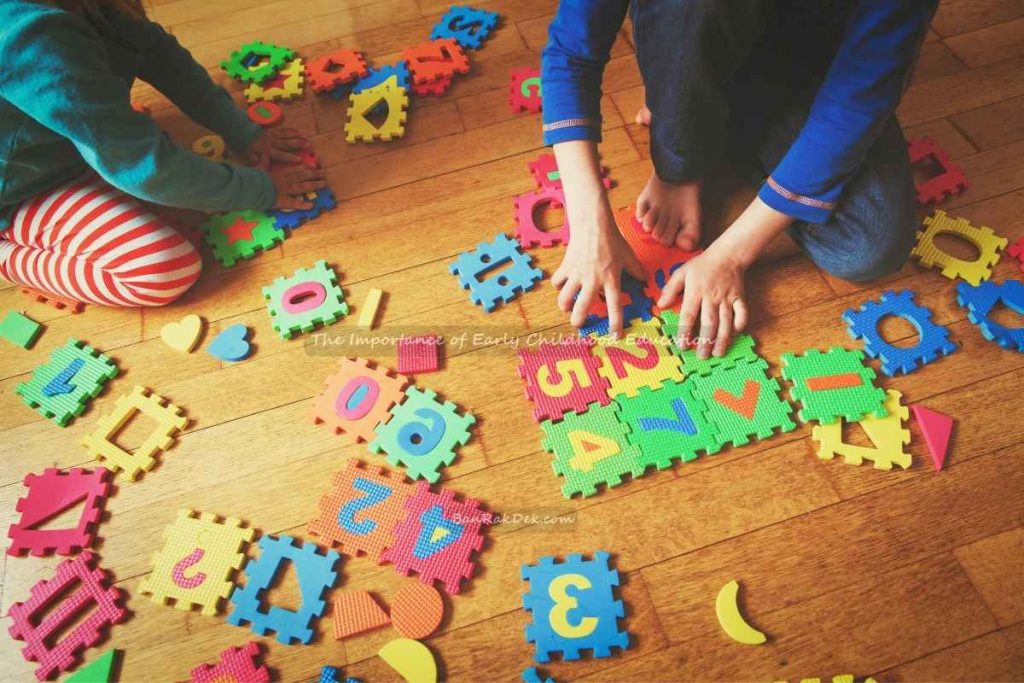
Investing in early education is one of the most effective ways to reduce inequalities and break the cycle of poverty. By understanding the importance of early childhood education, parents, educators, and policymakers can create an environment where every child gets the best possible start in life.
Cognitive Development in Early Years
Cognitive development is a key reason why the importance of early childhood education is emphasized. In the first few years of life, the brain forms neural connections at an incredible speed. These connections shape a child’s ability to think, learn, and solve problems.
Early childhood education enhances cognitive skills by introducing children to:
- Language development through storytelling, reading, and communication
- Basic mathematical concepts through play and structured activities
- Problem-solving skills through interactive and hands-on learning experiences
Studies show that children who attend high-quality early education programs develop stronger cognitive abilities, which help them succeed in school and beyond.
Social and Emotional Growth in Childhood
The importance of early childhood education extends beyond academics. It plays a crucial role in social and emotional development. Young children learn how to interact with peers, understand emotions, and develop resilience.

Key social skills fostered in early education include:
- Sharing and teamwork
- Effective communication
- Emotional regulation and empathy
By attending early education programs, children build confidence and learn how to navigate the complexities of social interactions, setting them up for lifelong success.
The Role of Play-Based Learning
Play is one of the most effective ways children learn, making it a cornerstone of early childhood education. Through play, children explore their environment, develop creativity, and practice problem-solving.

Types of play-based learning include:
- Structured Play: Activities guided by educators to teach specific skills
- Free Play: Unstructured time for children to use their imagination
- Social Play: Interaction with peers that fosters communication and cooperation
By integrating play into early education, children develop cognitive, social, and emotional skills in a natural and engaging way.
The Connection Between Early Education and Academic Success
Another crucial aspect of the importance of early childhood education is its direct impact on academic performance. Studies show that children who receive early education:

- Have better literacy and numeracy skills
- Are more likely to graduate from high school
- Perform better on standardized tests
Early education provides a solid foundation, making it easier for children to transition into formal schooling and succeed academically.
Early Childhood Education and Brain Development
Brain development during the early years is crucial. The experiences a child has in this period shape their brain’s architecture, affecting their ability to learn and adapt.

High-quality early childhood education supports brain development by:
- Providing a stimulating environment for learning
- Encouraging curiosity and exploration
- Building a strong foundation for lifelong learning
Neglecting early education can result in missed developmental opportunities, leading to long-term academic and social challenges.
The Impact of Early Learning on Future Career Success
The importance of early childhood education extends far into adulthood. Research indicates that children who receive early education are more likely to:
- Pursue higher education
- Secure stable and well-paying jobs
- Develop leadership and problem-solving skills
By investing in early education, societies can cultivate a workforce that is innovative, adaptable, and successful.
Parental Involvement in Early Childhood Education
Parents play a vital role in reinforcing the importance of early childhood education. A child’s learning experience is most effective when parents:

- Read to their children regularly
- Engage in educational activities at home
- Communicate with educators to support their child’s progress
When parents actively participate in early education, children show higher levels of engagement and motivation in learning.
The Economic Benefits of Early Childhood Education
Investing in early childhood education has significant economic benefits. Studies show that societies with strong early education programs experience:
- Lower crime rates
- Higher employment levels
- Stronger economic growth
For every dollar invested in early education, there is a high return in the form of a more skilled and productive workforce. Governments and policymakers must prioritize early education to create a thriving society.
Overcoming Challenges in Early Childhood Education
Despite its proven benefits, early childhood education faces challenges such as:
- Lack of access to quality programs
- Insufficient funding
- Inadequate training for educators
To ensure the importance of early childhood education is fully realized, policymakers must address these barriers and ensure every child has access to quality learning opportunities.
Conclusion: Prioritizing the Importance of Early Childhood Education
The importance of early childhood education is undeniable. It lays the foundation for cognitive development, social growth, academic success, and future career achievements. By investing in early education, societies can create a brighter, more equitable future for all children.
To truly harness the power of early education, parents, educators, and policymakers must work together to ensure every child has access to quality learning opportunities. Only by prioritizing early childhood education can we build a stronger, more prosperous society.
Frequently Asked Questions (FAQ)
What is the importance of early childhood education?
The importance of early childhood education lies in its ability to shape a child’s cognitive, social, and emotional development. It provides the foundation for lifelong learning, enhances problem-solving skills, and improves academic performance.
How does early childhood education impact brain development?
Early childhood education stimulates brain development by encouraging neural connections, improving memory, and fostering critical thinking skills. A well-structured learning environment helps children develop cognitive abilities that benefit them throughout life.
What are the social benefits of early childhood education?
The importance of early childhood education includes developing social skills such as teamwork, communication, and emotional regulation. Children learn to interact with peers, express emotions appropriately, and build confidence.
How does play-based learning enhance early childhood education?
Play-based learning helps children explore their creativity, develop problem-solving skills, and improve motor coordination. Through structured and free play, children gain valuable life skills in a fun and engaging manner.
What role do parents play in early childhood education?
Parental involvement enhances the importance of early childhood education by reinforcing learning at home. Reading, engaging in educational activities, and maintaining communication with teachers help support a child’s growth.
How does early childhood education contribute to future career success?
Studies show that individuals who receive early education are more likely to pursue higher education, secure stable jobs, and develop leadership skills. Early learning fosters discipline, creativity, and adaptability—key traits for career success.
What challenges exist in providing early childhood education?
Despite its benefits, early childhood education faces challenges such as lack of funding, insufficient access to quality programs, and the need for better-trained educators. Addressing these issues is crucial to ensuring every child receives the best start in life.
Why should governments invest in early childhood education?
Investing in early childhood education yields long-term economic benefits, including a more skilled workforce, lower crime rates, and higher employment levels. Studies show that every dollar invested in early education results in substantial returns for society.