- Introduction
- Start With Products Your Family Uses Most
- Reusable Cloth Wipes
- Washable Bibs And Feeding Cloths
- Reusable Nappy Options
- Durable Baby Bottles
- Reusable Feeding Sets
- Refillable And Concentrated Baby Care Products
- Washable Bath Products
- Organic And Durable Baby Clothes
- Secondhand Baby Clothing
- Borrowing Short-Term Baby Items
- Wooden And Long-Lasting Toys
- Reusable Storage For Baby Food
- Reusable Water Bottles And Cups
- Reusable Travel Essentials
- Choose Products That Grow With The Child
- Avoid Unnecessary “Eco” Purchases
- Check Environmental Claims Carefully
- Create A Practical Low-Waste Routine
- Safety Should Always Come First
- Conclusion
- FAQ
- What are the most practical Eco-Friendly Baby Products?
- Do parents need to replace all disposable baby products?
- Are natural baby products always safer?
- Are reusable nappies environmentally friendly?
- Is secondhand baby clothing safe?
- Are wooden toys better than plastic toys?
- How can parents avoid greenwashing?
- What is the easiest low-waste baby habit?
Introduction
Caring for a baby often involves nappies, wipes, bottles, clothes, toys, bathing products, feeding equipment, and many other everyday items. These products can make family life easier, but they can also create a surprising amount of waste.
Choosing Eco-Friendly Baby Products does not mean parents must replace everything they own or follow a perfect zero-waste lifestyle. A more practical approach is to choose reusable, durable, repairable, washable, or responsibly made products whenever they genuinely fit the family’s routine.
The most useful products are not always the ones with the strongest environmental marketing. They are the items parents can use safely, clean easily, and keep for a long time. Products that can be passed to another child may also offer better value than items designed for short-term use.
This guide explores practical Eco-Friendly Baby Products for feeding, changing, bathing, sleeping, travel, clothing, and play.
👉 “
Parents exploring eco-friendly baby products may also find this practical guide to children’s clothing in Thailand helpful when choosing comfortable and suitable everyday outfits.
“
Start With Products Your Family Uses Most
Parents do not need to change every baby item at once. Begin with products that are used frequently or replaced often.
Good places to start may include:
- Baby wipes
- Bibs
- Feeding bowls
- Bottles
- Washcloths
- Nappies
- Clothing
- Bath products
- Food containers
- Toys
Changing one frequently used disposable product can make more difference than buying several decorative “green” products that are rarely used.
Before buying something new, ask:
- Do we already own something that can do the same job?
- Can this product be washed and reused?
- Will it last through several stages?
- Is it safe and suitable for the baby’s age?
- Can it be repaired or passed on?
- Is it easy to clean properly?
- Does it fit our daily routine?
These questions help parents choose Eco-Friendly Baby Products based on usefulness rather than advertising.
Reusable Cloth Wipes
Reusable cloth wipes are among the simplest low-waste baby products. They can be used during nappy changes, after meals, during bath time, or for cleaning small spills.
Parents can buy ready-made cloth wipes or use soft cotton washcloths. They should be washed thoroughly after use and allowed to dry completely before being stored.
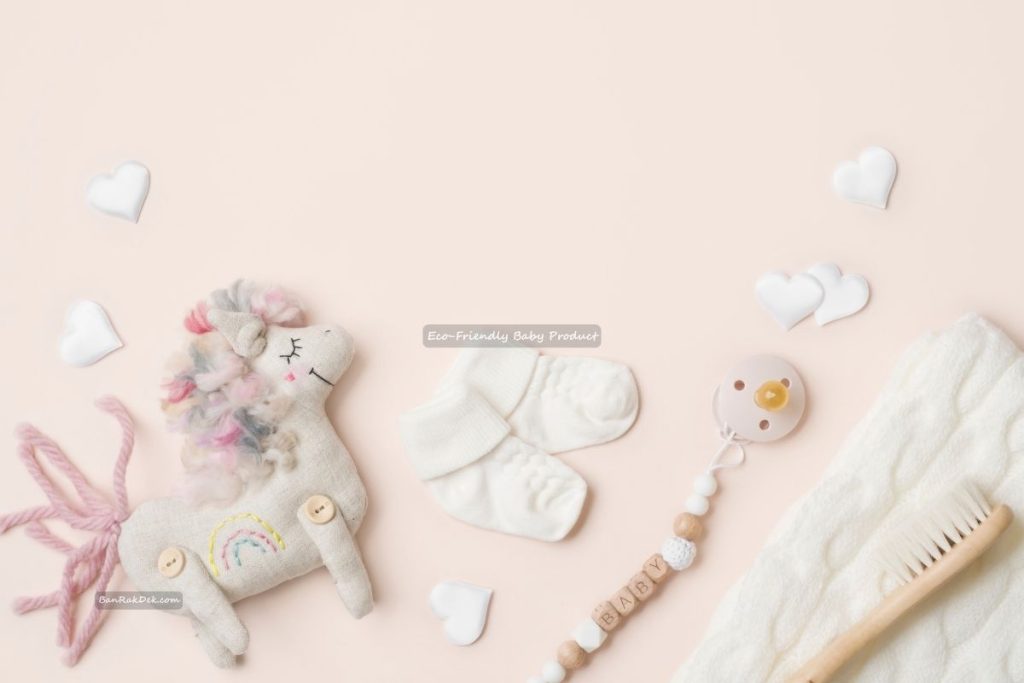
It may be practical to keep different sets for different purposes. For example, one colour can be used for nappy changes and another for faces and hands.
Reusable wipes may not replace disposable wipes in every situation. Families may still prefer packaged wipes during travel, illness, or emergencies. A mixed approach is often easier to maintain.
Washable Bibs And Feeding Cloths
Babies can use many disposable tissues and paper towels during meals. Washable bibs, muslin cloths, and small towels offer a practical alternative.
Look for bibs that are:
- Easy to rinse
- Quick to dry
- Comfortable around the neck
- Free from loose decorations
- Suitable for machine washing
- Durable enough for repeated use
Silicone bibs with food-catching pockets can also be useful because they can be washed and reused. Parents should check that the material is intended for baby use and that the bib remains in good condition.
Washable feeding cloths are simple Eco-Friendly Baby Products that can often be used for several years.
Reusable Nappy Options
Reusable cloth nappies can reduce dependence on disposable nappies, but they require regular washing, drying, and safe storage.
Modern cloth nappies come in several styles, including pocket nappies, fitted nappies, flat cloths, and adjustable covers. Families do not need to use cloth nappies full-time. Some parents use them at home and disposable nappies during travel or overnight.
Before choosing cloth nappies, consider:
- Access to reliable washing
- Drying space
- Local weather and humidity
- Water and energy use
- Nursery or childcare rules
- The baby’s comfort
- The family’s available time
Reusable nappies work well for some households but may not suit everyone. A realistic system is better than buying a large set that becomes difficult to maintain.
Reusable swim nappies can be another practical option for pools or beach trips. They should be cleaned carefully after every use.
Durable Baby Bottles
Parents who use bottles may consider glass, stainless steel, or long-lasting reusable plastic options designed for infant feeding.
Glass bottles can be easy to clean and do not hold smells, but they are heavier and can break. Protective sleeves may help reduce damage.
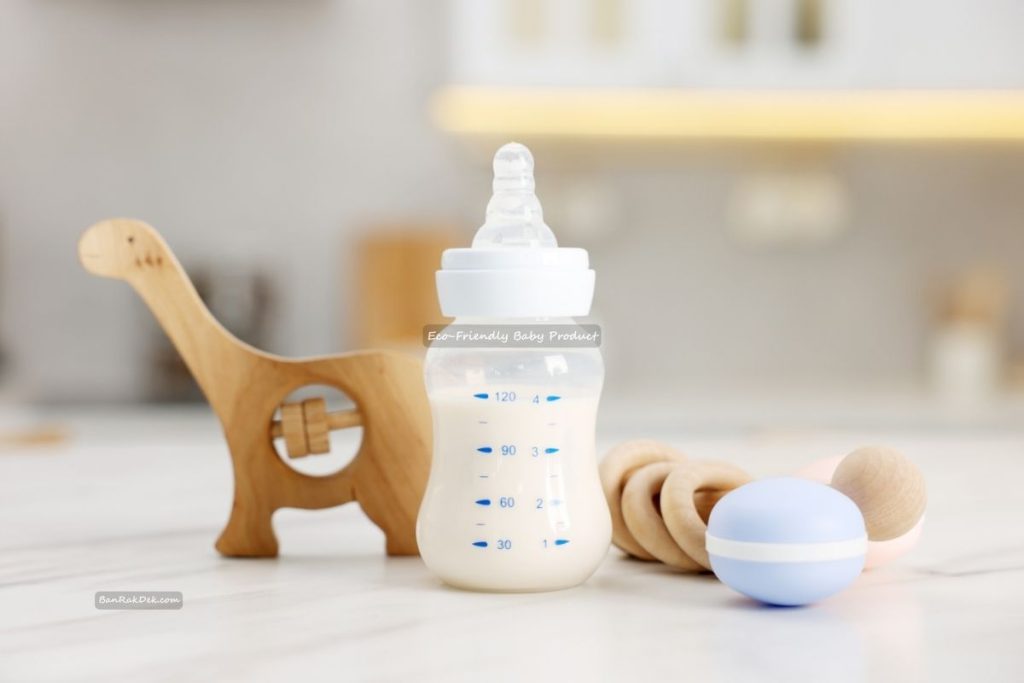
Stainless steel bottles are strong and durable, although parents cannot easily see the liquid level from the outside.
Whatever material is chosen, bottles should be appropriate for infant feeding and cleaned according to the manufacturer’s directions. Nipples, seals, and damaged parts must be checked regularly.
A durable bottle that can be used safely for a long time may be a better choice than repeatedly replacing low-quality products.
Reusable Feeding Sets
As babies begin eating solid food, families may need bowls, cups, spoons, plates, and food containers.
Reusable feeding items may be made from:
- Stainless steel
- Food-grade silicone
- Glass
- Durable plastic intended for food use
- Responsibly sourced wood or bamboo
Not every material is suitable for every purpose. Wooden items may require special care and should not be soaked for long periods. Glass can break, while some lightweight materials may become damaged by heat.
Parents should follow age guidance, check products regularly, and stop using anything with cracks, sharp edges, peeling surfaces, or loose parts.
The most sustainable feeding set is often one that can be used every day and kept through several developmental stages.
Refillable And Concentrated Baby Care Products
Baby wash, shampoo, lotion, and laundry products can create a lot of packaging.
Where available, parents may consider:
- Refill stations
- Larger refill containers
- Concentrated products
- Recyclable packaging
- Simple multipurpose products
- Fragrance-free options
However, “natural,” “organic,” and “eco-friendly” labels do not automatically mean a product is suitable for every baby. Babies can have sensitive skin, and plant-based ingredients can still cause irritation.
Introduce new skincare products carefully and stop using anything that causes redness, swelling, or discomfort. Parents should seek qualified medical advice for ongoing skin problems.
Practical Eco-Friendly Baby Products should support safety first and environmental goals second.
Washable Bath Products
Several disposable bath products can be replaced with washable items.
Useful examples include:
- Cotton washcloths
- Reusable bath mitts
- Washable changing mats
- Fabric hooded towels
- Reusable hair-washing cups
- Durable bath toys
Bath toys should be cleaned and dried thoroughly. Toys that trap water inside may develop mould or become difficult to clean.
Parents can reduce clutter by choosing a small number of useful bath products rather than purchasing large collections of toys and accessories.
Organic And Durable Baby Clothes
Babies grow quickly, so clothing can have a short useful life. Durable clothes that can be passed between siblings, relatives, or other families may reduce waste.
Organic cotton is one option, but durability, comfort, and frequent use are also important. A poorly made organic garment that wears out quickly may not be more practical than a strong secondhand item.
When choosing baby clothes, look for:
- Soft, breathable fabric
- Strong stitching
- Secure fasteners
- Easy washing
- Comfortable sizing
- Simple designs
- Room for movement
- Suitability for the local climate
Avoid clothing with loose buttons, long cords, scratchy decorations, or small detachable accessories.
In hot climates, lightweight clothes are usually more useful than thick outfits. A light extra layer may still be needed in strongly air-conditioned places.
Secondhand Baby Clothing
Secondhand clothes are among the most practical Eco-Friendly Baby Products because many baby garments are worn only a few times before being outgrown.
Parents may receive clothing from friends and relatives or buy it from resale groups, markets, charity shops, and online sellers.
Check secondhand items for:
- Loose fasteners
- Stretched elastic
- Damaged seams
- Permanent stains
- Rough fabric
- Broken zippers
- Missing parts
Wash used clothing before the baby wears it. Parents should be more cautious with secondhand safety equipment whose history cannot be confirmed.
Borrowing Short-Term Baby Items
Some baby products are used for only a few weeks or months. Borrowing or renting may reduce both cost and waste.
Possible items include:
- Baby clothes in newborn sizes
- Travel cots
- Baby baths
- Activity mats
- Special occasion outfits
- Age-specific toys
Safety-critical products need greater care. Parents should confirm the condition, age, instructions, product history, and current suitability before using borrowed equipment.
Products with hidden damage or unknown histories may not be suitable, particularly where safety depends on correct installation and structural condition.
Wooden And Long-Lasting Toys
Simple toys can often support more imaginative play than large collections of electronic products.
Durable options may include:
- Wooden stacking toys
- Fabric balls
- Cloth books
- Wooden puzzles
- Nesting cups
- Reusable drawing boards
- Strong building blocks
Wooden toys are not automatically safe or environmentally responsible. Check for smooth edges, secure parts, suitable finishes, and age recommendations.
The best toys are those that match the child’s developmental stage and can be used in different ways.
Rotate a small selection of toys rather than displaying everything at once. This may renew interest without requiring frequent new purchases.
Reusable Storage For Baby Food
Reusable containers can help families store homemade baby food, snacks, and prepared ingredients.
Practical choices include:
- Small glass containers
- Silicone freezer trays
- Stainless steel snack boxes
- Reusable food pouches
- Washable snack bags
Parents should label food with the preparation date and follow safe storage practices. Containers must be cleaned thoroughly, especially around lids, seals, valves, and corners.
Reusable food storage can reduce single-use packaging, but only when the items are used regularly and maintained properly.
Reusable Water Bottles And Cups
As children become old enough to use training cups or water bottles, durable reusable options can replace disposable drink containers.
Choose products that are:
- Suitable for the child’s age
- Easy to hold
- Simple to clean
- Leak-resistant
- Free from damaged parts
- Easy to take apart fully
Straws, valves, and seals can trap residue, so parents should inspect and clean them carefully.
A simple cup without many hidden parts may be easier to maintain than a complicated design.
Reusable Travel Essentials
Family outings often involve snacks, wipes, spare clothes, nappies, and toys. Reusable travel products can help reduce disposable packaging.
Useful options include:
- Washable wet bags
- Refillable water bottles
- Reusable snack containers
- Cloth napkins
- Washable changing mats
- Reusable shopping bags
- Durable food boxes
Keep a small travel kit ready so parents do not need to purchase disposable items every time they leave home.
A washable wet bag is especially useful for wet swimwear, dirty clothes, cloth nappies, or food-stained bibs.
Choose Products That Grow With The Child
Some baby products are designed for only one short stage, while others can be adjusted as the child grows.
Examples may include:
- Adjustable cloth nappies
- Convertible feeding chairs
- Expandable clothing
- Open-ended toys
- Stackable storage
- Cups with replaceable lids
- Furniture that changes function
A product that lasts through several stages may offer better value and create less waste.
However, multifunctional products are only useful when each function works well. Parents should avoid paying more for features they are unlikely to use.
Avoid Unnecessary “Eco” Purchases
Eco-conscious shopping can still lead to overconsumption. Buying many new reusable products may create more clutter without reducing waste.
Before purchasing new Eco-Friendly Baby Products, consider using:
- Existing household cloths
- Containers already owned
- Hand-me-down clothes
- Borrowed baby equipment
- Simple toys
- Multipurpose storage
Replacing a working product only because a more environmentally marketed version exists may not be necessary.
Use what you already have safely, then replace items gradually when they are worn out or no longer suitable.
Check Environmental Claims Carefully
Words such as “green,” “natural,” “biodegradable,” and “sustainable” can be used broadly. Parents should look beyond the front label.
Useful questions include:
- What material is the product made from?
- Can it be reused?
- How long is it likely to last?
- Is the packaging recyclable locally?
- Are replacement parts available?
- Does the company explain its environmental claims?
- Can the product be washed or repaired?
- Is it safe for the baby’s age?
A durable ordinary product used for years may be more environmentally responsible than a trendy item that is quickly discarded.
Create A Practical Low-Waste Routine
The most effective sustainable habits are the ones families can continue.
A realistic routine might include:
- Using cloth wipes at home
- Choosing secondhand clothes
- Carrying reusable snack boxes
- Buying fewer toys
- Refilling selected baby products
- Using washable bibs
- Passing outgrown items to another family
- Repairing clothes when practical
- Avoiding unnecessary packaging
Parents do not need to do everything. Small changes repeated every day can become meaningful over time.
Safety Should Always Come First
Environmental goals should never replace basic baby safety.
Check products regularly for:
- Cracks
- Loose parts
- Peeling surfaces
- Sharp edges
- Mould
- Damaged straps
- Broken fasteners
- Unstable structures
Follow age guidance and manufacturer instructions. Stop using products that are damaged, difficult to clean, or no longer appropriate for the child.
For feeding, sleeping, travel, and skincare products, parents should choose items based on current safety guidance and their child’s individual needs.
👉 “Parents exploring eco-friendly baby products may also learn more about natural skincare options for babies and what to consider when choosing gentle everyday care items.”
Conclusion
Choosing Eco-Friendly Baby Products can be practical, affordable, and flexible. Parents do not need to rebuild the entire nursery or buy every product labelled as sustainable.
Reusable wipes, washable bibs, durable bottles, secondhand clothing, refillable toiletries, long-lasting toys, and reusable food containers can all support lower-waste family routines.
The strongest approach is to buy less, use products for longer, maintain them carefully, and pass them on when they are no longer needed. Safety, hygiene, comfort, and daily usefulness should remain the main priorities.
By making gradual and realistic choices, families can reduce waste without making baby care more complicated.
FAQ
What are the most practical Eco-Friendly Baby Products?
Reusable wipes, washable bibs, secondhand clothes, durable feeding sets, reusable food containers, cloth nappies, and refillable baby care products are practical starting points.
Do parents need to replace all disposable baby products?
No. Families can begin with one or two frequently used products and make further changes gradually. A mixed system may be more realistic.
Are natural baby products always safer?
No. Natural ingredients can still cause irritation or allergic reactions. Parents should check ingredients, introduce new products carefully, and seek medical advice for ongoing skin concerns.
Are reusable nappies environmentally friendly?
Reusable nappies can reduce disposable waste, but they require washing, drying, water, and energy. Their suitability depends on the family’s routine and local conditions.
Is secondhand baby clothing safe?
Secondhand clothing can be a good option when it is clean and in good condition. Check seams, elastic, fasteners, and decorations before use.
Are wooden toys better than plastic toys?
Not automatically. Safety, durability, manufacturing quality, age suitability, and how long the toy is used all matter more than the material alone.
How can parents avoid greenwashing?
Look for clear information about materials, durability, packaging, certifications, repair options, and disposal. Be cautious of vague environmental claims without supporting details.
What is the easiest low-waste baby habit?
Using washable cloths or reusable wipes for everyday cleaning is often an easy starting point because they can replace many disposable tissues and wipes.